
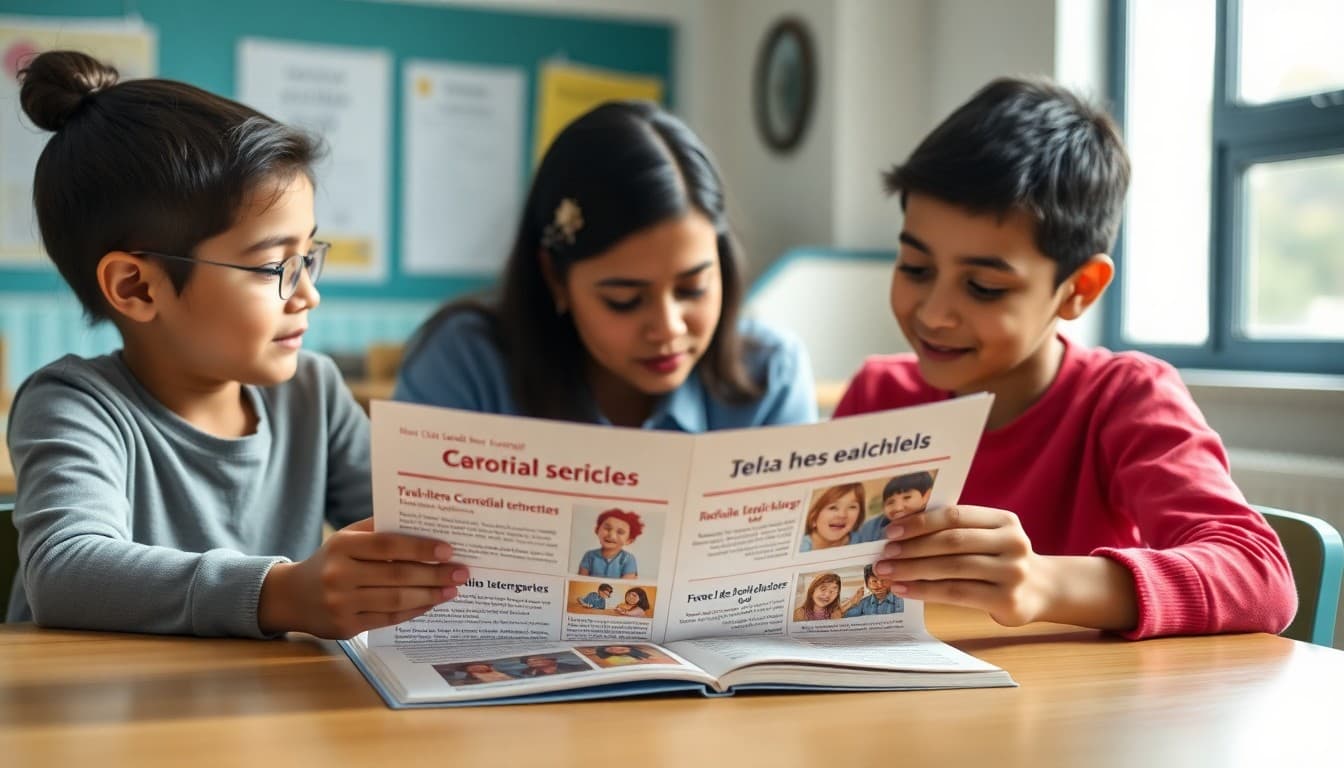
Spanish-English Bilingual School Newsletter: A Complete Guide
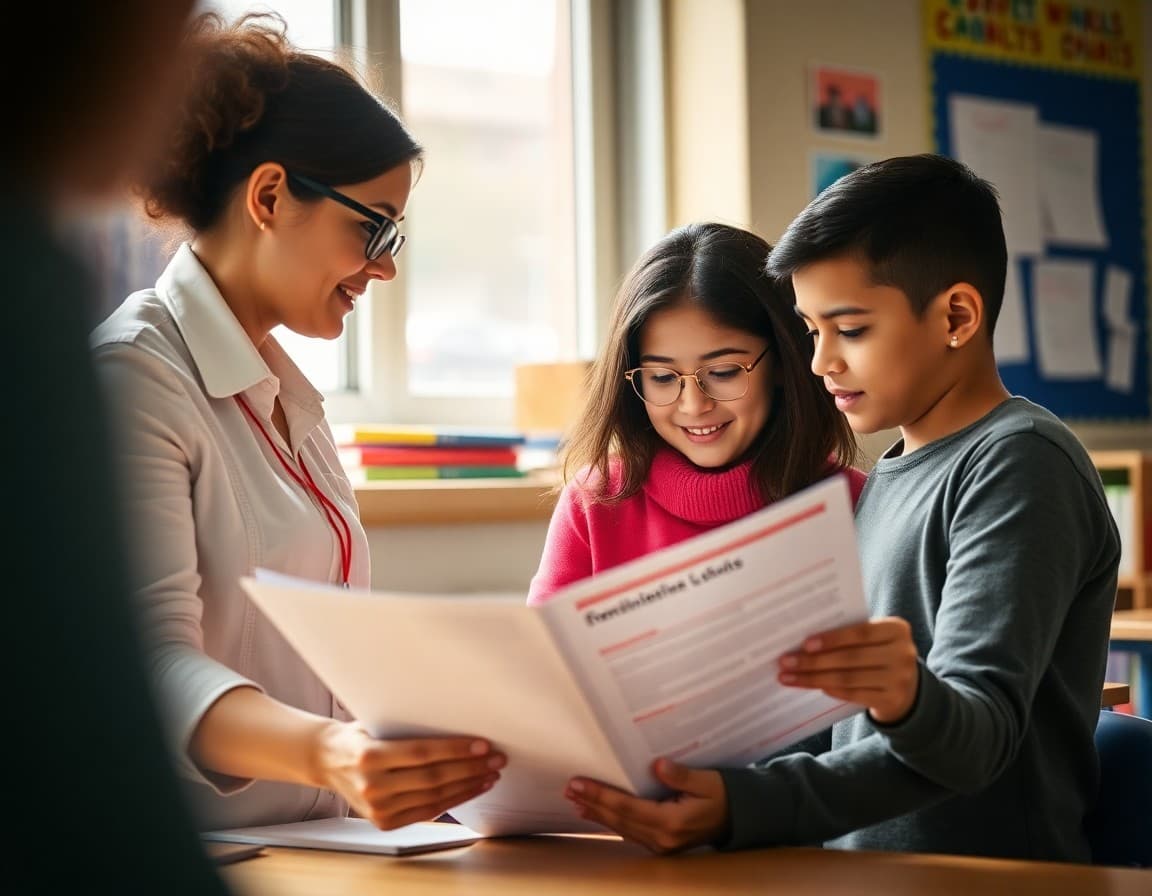
A Spanish-English bilingual school newsletter is the most practical response to a school community where both languages are significantly represented. Done well, it sends a clear message to both communities: this school sees you and communicates with you in your language. Done poorly, it sends the opposite message. This guide covers the specific decisions that determine which message families actually receive.
Decide on your distribution model first
Before deciding on layout, decide on distribution. Will you send one bilingual newsletter to all families, or two separate language-targeted editions? Sending one bilingual newsletter to all families builds shared community, because English-speaking families see the Spanish section and vice versa. Sending separate editions allows each section to be fully tailored for its audience. Either approach can work; the one that fails is sending only the English edition to everyone and the Spanish edition to no one directly.
Design for visual equity between languages
The design of each language section communicates how much the school values that community. A Spanish section that is set in smaller type, has fewer images, or looks like a supplementary appendix to the English section tells Spanish-speaking families exactly where they stand. Both language sections should use the same font sizes, the same image treatment, and the same visual weight. A bilingual newsletter in which both sections look equally cared-for is doing real equity work.
Give both language sections their own editorial voice
The best Spanish-English bilingual newsletters are not word-for-word translations of each other. The Spanish section speaks in a voice that is natural for the Spanish-speaking community being served, not like English that has been run through a translation tool. This requires someone who thinks and writes fluently in Spanish, not someone who speaks Spanish as a second language or someone reviewing a machine translation draft without substantive editing capacity.

Include culturally specific content in both sections
A bilingual newsletter that is purely a translation of the English section misses an opportunity. The Spanish section can include content that is specifically relevant to the Spanish-speaking community: community events, cultural recognition, information about Spanish language programs, and resources that are particularly useful for recently arrived families. The English section may not need all of this, but the Spanish section benefits from it.
Set and communicate a consistent production schedule
Bilingual newsletters require more production time than monolingual ones, and the most common failure is inconsistency: the bilingual format is maintained for the first month and then quietly abandoned when production pressure increases. Build the bilingual production requirements into your standard schedule, assign clear responsibility for each language section, and treat the Spanish section deadline as firm rather than optional.
Ask Spanish-speaking families what they want to see
The best source of information about what a Spanish-language newsletter section should contain is the Spanish-speaking families it is intended to serve. A brief survey or informal conversation with Spanish-speaking parent leaders about what information they most need, what they find missing from current communications, and what would make them more likely to read and share the newsletter produces more useful guidance than assumptions made without their input.
Get one newsletter idea every week.
Free. For teachers. No spam.
Frequently asked questions
What is the best format for a Spanish-English bilingual school newsletter?
The best format depends on your community and your production capacity. Side-by-side columns work well in digital newsletters and help bilingual readers navigate between languages. A full Spanish section following the complete English newsletter is easier to produce and allows each language community to read without navigating between sections. Separate editions per language allow fully targeted distribution. There is no single best approach; choose the one your team can execute consistently.
How do you maintain equal quality in both language sections of a bilingual newsletter?
By giving each language section the same visual treatment, the same editorial review, and the same production time. A common failure mode is a polished English section and a plain-text Spanish section with formatting errors. Visual and editorial equity signals that both language communities are equally valued. Assign a designated reviewer for each language and give them equal authority over their section.
How do you handle content that is culturally relevant to one language community but not the other?
By adapting rather than translating. A story about a tradition that is meaningful to the Spanish-speaking community can appear in both sections, but the Spanish section might include additional cultural context while the English section provides a brief explanation. Similarly, content that is particularly relevant to English-speaking families can appear in both sections with appropriate context for Spanish-speaking readers. Adaptation is more useful than literal translation.
How often should schools send Spanish-English bilingual newsletters?
As often as they send English-only newsletters. The moment bilingual editions become less frequent than English editions, the communication gap opens. If the production burden of full bilingual editions every week is too high, consider a lighter bilingual format for routine newsletters with full bilingual editions for major communications.
How does Daystage help schools maintain consistent Spanish-English bilingual newsletters?
Daystage supports bilingual newsletter content with consistent formatting across language sections and makes it easy to send the full bilingual edition to all families or to send targeted editions to specific language communities. Schools that use Daystage for Spanish-English bilingual newsletters can maintain consistency across the school year without rebuilding the format each time.

Adi Ackerman
Author
Adi Ackerman is a former classroom teacher and curriculum writer with 8 years in K-8 schools. She writes about school communication, parent engagement, and what actually works in real classrooms.
More for Bilingual
Ready to send your first newsletter?
3 newsletters free. No credit card. First one ready in under 5 minutes.
Get started free