

Multilingual School Climate Newsletter: Communicating Belonging to All Language Communities
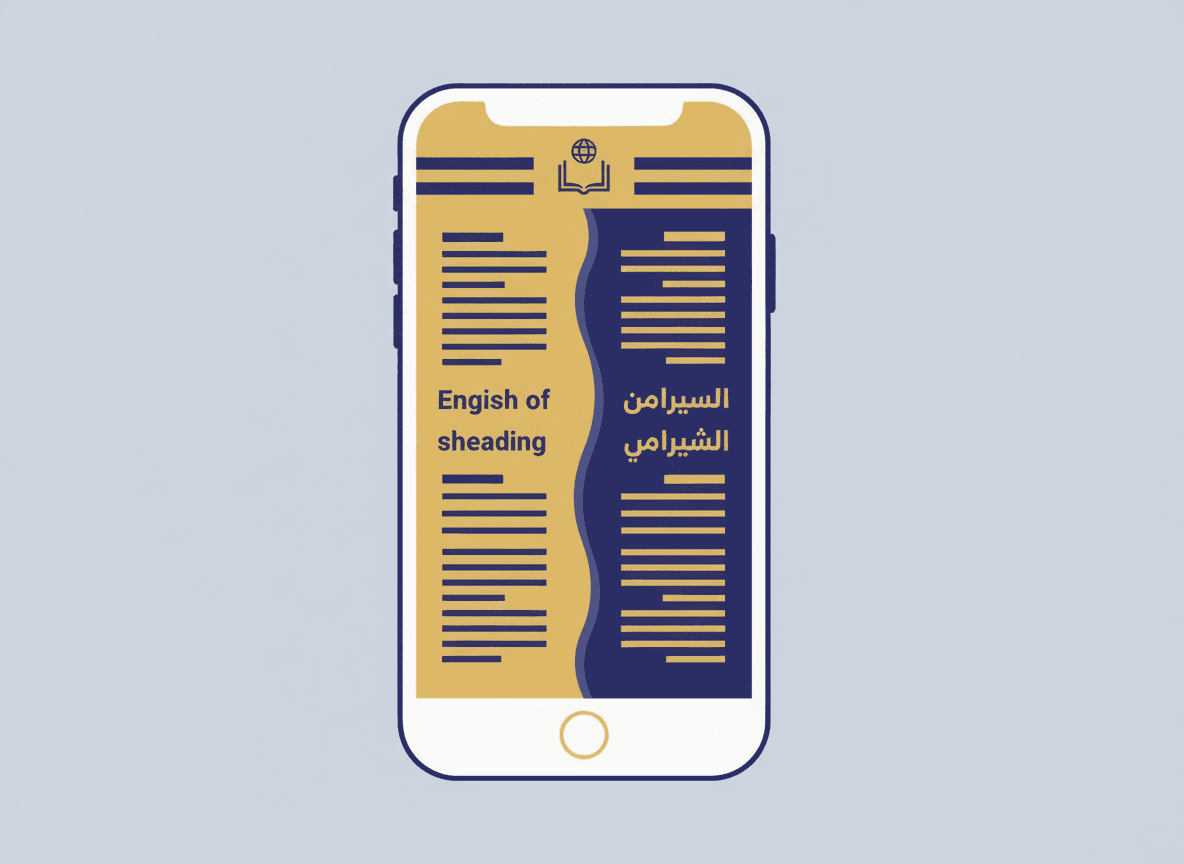
School climate is experienced before any word is spoken. It is the language on the welcome sign when a family walks in the door, the photos on the hallway bulletin board, the language used in the morning announcements, and the newsletter that arrives in a family's inbox. For multilingual families, school climate is communicated continuously through signals large and small about whether this school sees them, values them, and considers them full members of the community. The newsletter is one of the most regular of these signals.
What Multilingual Families Are Reading in Every Newsletter
Multilingual families read more into school newsletters than the information on the page. They notice whether the newsletter arrived in their language. They notice whether any photos include students who look like their children. They notice whether the school calendar acknowledges cultural events that matter to their community. They notice whether the language used to describe EL services sounds supportive or remedial.
None of these signals requires major effort to change. A newsletter that includes one phrase in the community language, that acknowledges one upcoming cultural event, and that describes EL services in terms of assets rather than deficits sends a meaningfully different message than one that ignores all of these.
Positioning Language Diversity as a School Strength
Newsletters that describe the school's multilingual community as a resource rather than a challenge build a different climate than those that frame language diversity as a logistical complication. The difference is in the framing: "Our school community speaks 14 languages, which gives us remarkable perspective on the world" is a different signal than "We work to accommodate our diverse language needs."
This framing needs to be consistent across the school year, not just during heritage month celebrations. A single newsletter acknowledging linguistic diversity surrounded by eleven months of English-only, culturally neutral communication does not add up to a positive multilingual climate.
Acknowledging Cultural Milestones
Cultural acknowledgment in newsletters means naming the significant events on the cultural calendars of the communities the school serves. Lunar New Year, Eid al-Fitr, Diwali, Ramadan, Nowruz, and other major cultural observances are widely celebrated by significant portions of many American school communities. A newsletter that acknowledges these events alongside the dominant cultural calendar communicates that the school is paying attention to all its communities.
Responding to Community Anxiety
During periods when immigration policy, language policy, or national events create anxiety in multilingual communities, a newsletter that affirms the school's commitment to every student's safety and belonging provides meaningful reassurance. This does not require political commentary. It requires clarity about the school's values and the school's responsibility to all students regardless of home language or background.
Daystage supports distributing this kind of school climate communication in every family's language, ensuring that the message of belonging reaches all multilingual families in the language where it lands with its full intended weight.
Get one newsletter idea every week.
Free. For teachers. No spam.
Frequently asked questions
What is school climate and how does it relate to multilingual families?
School climate refers to the quality and character of school life as experienced by students, families, and staff. For multilingual families and students, school climate includes whether their language and culture are visible and valued in the school environment, whether they feel welcomed in school spaces, whether other students treat language differences with respect, and whether the school's communications signal genuine inclusion. A positive multilingual school climate predicts better academic outcomes for English learners and stronger family engagement.
How do newsletters contribute to or undermine multilingual school climate?
A newsletter that arrives in English only, that never acknowledges multilingual community cultural events, that uses photos of English-speaking families exclusively, and that positions EL services as remediation rather than enrichment signals to multilingual families that they are secondary stakeholders. The newsletter is a proxy for how the school values these families. A newsletter that includes their language, acknowledges their cultural calendar, and positions their linguistic assets as school strengths builds a different climate.
What specific newsletter content builds a positive multilingual school climate?
Newsletters that spotlight multilingual student achievements in their home language alongside English, that acknowledge major cultural events from the school's language communities, that use words and phrases from community languages, that feature photos and stories representing all language communities, and that explicitly name language diversity as a school strength build climate. So do newsletters that clearly communicate the school's anti-bullying stance regarding language and cultural background.
How do schools address language-based discrimination in newsletters?
When incidents of language-based discrimination or bullying occur, or during periods of heightened community anxiety about immigration or language policy, a newsletter that addresses the school's commitment to all students' safety and belonging sends a clear signal. This does not mean the newsletter needs to address politics. It means it should state clearly that every student, regardless of home language, belongs in this school and will be treated with respect.
Can Daystage support multilingual school climate newsletters?
Yes. Daystage supports building and distributing newsletters in any language, which is a core element of building a school climate where all language communities feel that the school communicates with them as full members of the school community.

Adi Ackerman
Author
Adi Ackerman is a former classroom teacher and curriculum writer with 8 years in K-8 schools. She writes about school communication, parent engagement, and what actually works in real classrooms.
More for Bilingual
Bilingual Parent Night Newsletter: Inviting Multilingual Families to School Events
Bilingual · 5 min read
School Newsletter for Haitian Creole-Speaking Families: Communication Strategies for Schools
Bilingual · 7 min read
School Newsletter for Polish-Speaking Families: Building Communication with Your Polish Community
Bilingual · 5 min read
Ready to send your first newsletter?
3 newsletters free. No credit card. First one ready in under 5 minutes.
Get started free