

Bilingual Parent Night Newsletter: Inviting Multilingual Families to School Events
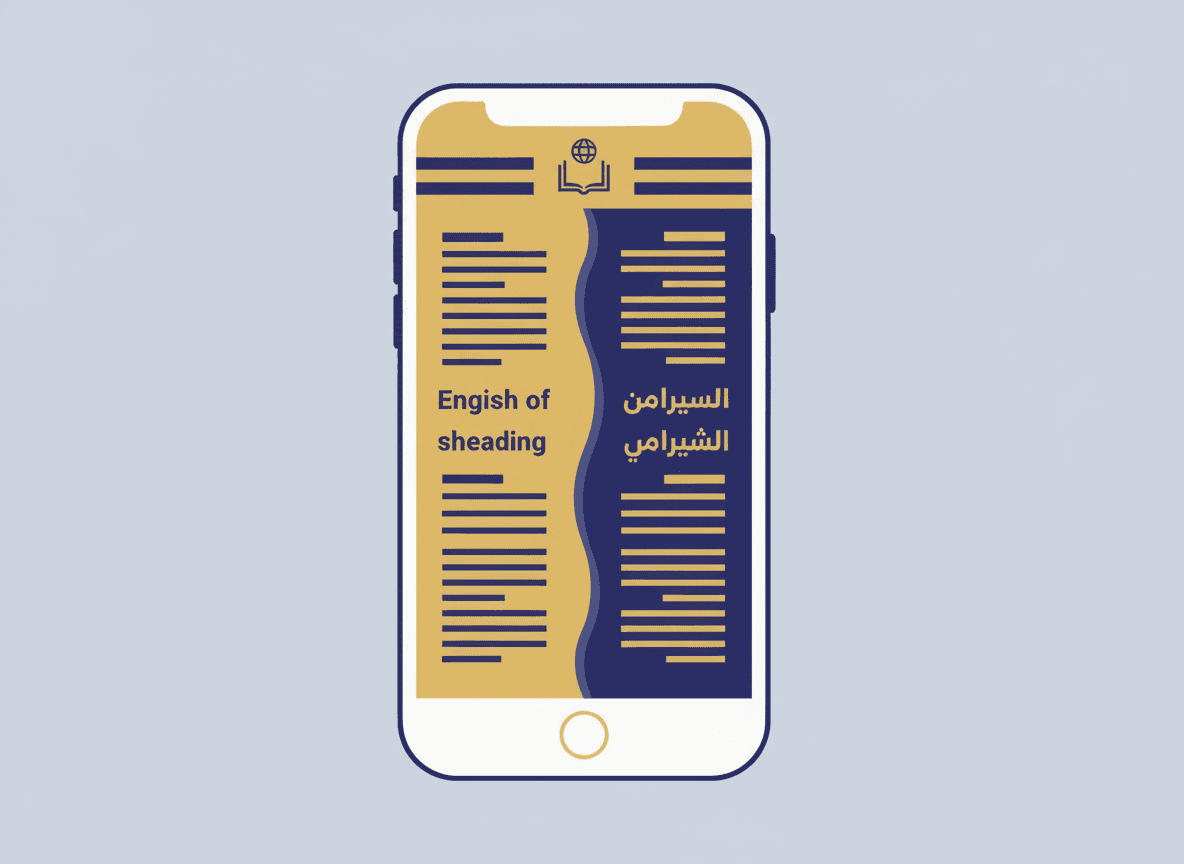
Parent nights and school events are the moments when families move from newsletter readers to school participants. Multilingual families consistently show lower attendance at these events not because they care less about their children's education, but because the events are typically designed for English-speaking families and the barriers to attendance are never addressed. The newsletter invitation is the first place to start removing those barriers.
The Barriers Between Multilingual Families and School Events
A multilingual family receiving an English-only invitation to curriculum night does not just face a language barrier. They face a prediction problem: will I understand anything that happens at this event? Will there be anyone who speaks my language? Will I feel out of place? Will my child be embarrassed if I ask questions through an interpreter? The newsletter invitation is the first opportunity to answer those questions before they become reasons not to attend.
Address each barrier explicitly: the event will have interpretation in Spanish and Arabic. Childcare will be provided in Room 12. A translator will be available at the welcome table. These specific statements are more effective than a general statement that "all families are welcome."
Writing the Invitation in the Family's Language
An invitation that arrives in English tells a multilingual family something about how important their presence is to the school. An invitation in the family's language tells them something different. The translation of a parent night invitation is a low-cost signal with high engagement impact.
The translation should be fluent, not obviously machine-translated. For common languages, community staff, bilingual parent volunteers, or professional translators can review and improve the text before it goes out. A fluent translation sends the invitation; an awkward one undermines it.
Describing the Event in Enough Detail
Multilingual families who are newer to American school culture may not know what "curriculum night" or "fall conferences" means. A newsletter that describes what will actually happen at the event, how long it will take, whether there is a presentation or one-on-one time with teachers, and what families should bring or prepare for gives these families the information they need to decide confidently.
Following Up After the Event
A follow-up newsletter that recaps what was shared at the parent night, available in all family languages, serves the families who could not attend and reinforces the content for those who did. Multilingual families who missed the event because of logistical barriers should not miss the information permanently. Daystage supports sending these follow-up communications in any language, closing the gap between event attendees and those who could not make it.
Get one newsletter idea every week.
Free. For teachers. No spam.
Frequently asked questions
Why do multilingual families have lower attendance at school parent nights?
Multilingual families face compounding barriers to attending school events: language barriers (the event will be conducted in English), cultural barriers (school events feel designed for families who already know how to navigate American school culture), logistical barriers (work schedules, childcare, transportation), and informational barriers (they did not receive the invitation in a language they could read). Addressing only one of these barriers while leaving the others in place produces minimal improvement in attendance.
What should a bilingual parent night newsletter include to maximize attendance?
The invitation should be in the family's home language. It should specify that interpretation will be available, name the languages in which interpretation is offered, state whether childcare will be provided, explain transportation options, describe what will happen at the event in enough detail that families can assess whether attendance is worth the effort, and include a clear RSVP option in the family's language.
How do you make school events genuinely welcoming for multilingual families rather than just accessible?
Accessibility means interpretation is available. Welcome means the event is designed with multilingual families in mind, not retrofitted for them. Events with multilingual signage, community food, breaks that allow conversation across language groups, and structure that does not assume families know American school culture are welcoming. Events that require families to already understand how school events work, conducted entirely in English with an interpreter in the corner, are merely accessible.
Should parent night newsletters for multilingual families be different from the general parent night newsletter?
The newsletter should be translated into the languages of the school's families, but the invitation to multilingual families should also address the specific supports available at the event: interpretation, childcare, transportation. These details are not relevant for English-dominant families but are often the deciding factor for multilingual families. A general newsletter that does not mention these supports misses a significant driver of multilingual family attendance.
Does Daystage support multilingual parent night invitations?
Yes. Daystage supports sending newsletters and event invitations in any language, making it practical to invite multilingual families to parent nights in their home language, on the same schedule as English communications.

Adi Ackerman
Author
Adi Ackerman is a former classroom teacher and curriculum writer with 8 years in K-8 schools. She writes about school communication, parent engagement, and what actually works in real classrooms.
More for Bilingual
Community Interpreter Resources Newsletter: How Schools Can Connect Multilingual Families to Interpretation Services
Bilingual · 5 min read
Multilingual Emergency Communication: How Schools Reach All Families During Crises
Bilingual · 6 min read
School Newsletter for Swahili-Speaking Families: Reaching East African Communities
Bilingual · 5 min read
Ready to send your first newsletter?
3 newsletters free. No credit card. First one ready in under 5 minutes.
Get started free