
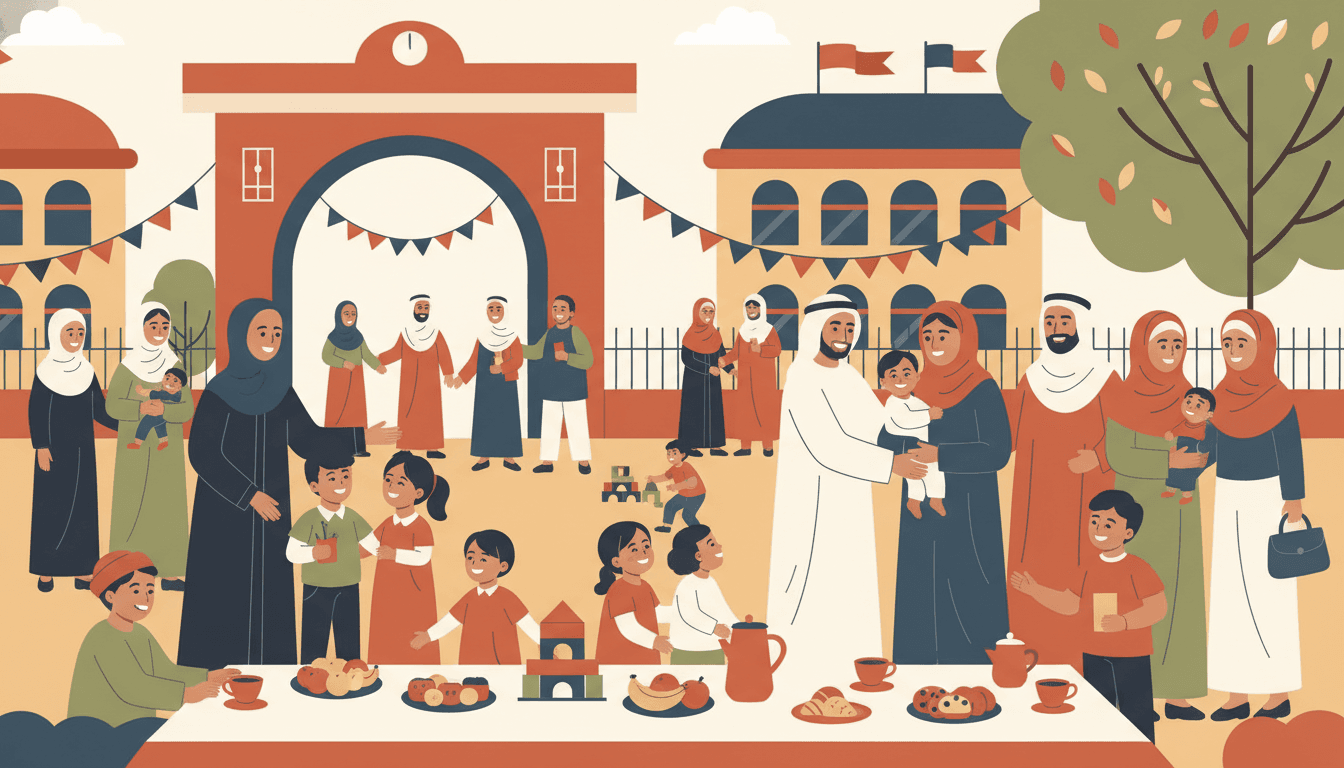
Heritage Language Program Newsletter: Communicating With Heritage Language Families
Heritage language programs occupy a unique position in the educational landscape. They serve students who have a family connection to a non-English language but who are learning in an English-dominant society where that language may have no obvious daily use. The families who enroll their children in heritage language programs have made a choice that goes against the dominant cultural pressure to assimilate linguistically. The newsletter that serves these families well must reinforce that choice, not just communicate logistics.
Understanding Heritage Language Families
Heritage language families are not a monolithic group. Some are recent immigrants who are deeply connected to the heritage language and enroll their children as a matter of course. Others are second or third-generation families who have largely shifted to English and are enrolling their children as a conscious effort to reclaim something they themselves lost. Others still are families where one parent speaks the heritage language fluently and the other does not.
Each of these family types brings different levels of heritage language proficiency, different emotional relationships to the language, and different levels of confidence in their ability to support the language at home. A newsletter that addresses only one type misses the others.
Reinforcing the Value Proposition
Families who enroll in heritage language programs are swimming against a cultural current that says English is sufficient, that heritage languages are for grandparents, and that time spent on a community language school is time not spent on sports, music lessons, or homework. The newsletter has a role in counteracting this pressure.
Regular, brief references to the research on bilingualism, the career advantages of full heritage language proficiency, and the documented benefits of strong cultural identity for children reinforce the family's decision. These do not need to be lengthy arguments. A paragraph in each newsletter that answers the implicit question "why are we doing this?" is enough.
Home Language Support Strategies
Heritage language programs typically meet on weekends or after school, which means the majority of the student's week is spent in English-dominant environments. The newsletter is the primary channel for telling families what they can do during the rest of the week to support what the program is teaching.
Specific home activity suggestions that can be done in the heritage language, recommendations for media in the heritage language, and guidance on language use at home are more valuable than general encouragement. Families want to know: what specifically should we be doing this week?
Building Cultural Community Through the Newsletter
Heritage language programs serve communities, not just students. The newsletter can be a hub for cultural community events, celebrations, and shared history. Acknowledging heritage community cultural holidays, profiling community members who are models of heritage language and cultural success, and creating space in the newsletter for community voices builds a program identity that goes beyond language instruction.
Newsletter Language and Format
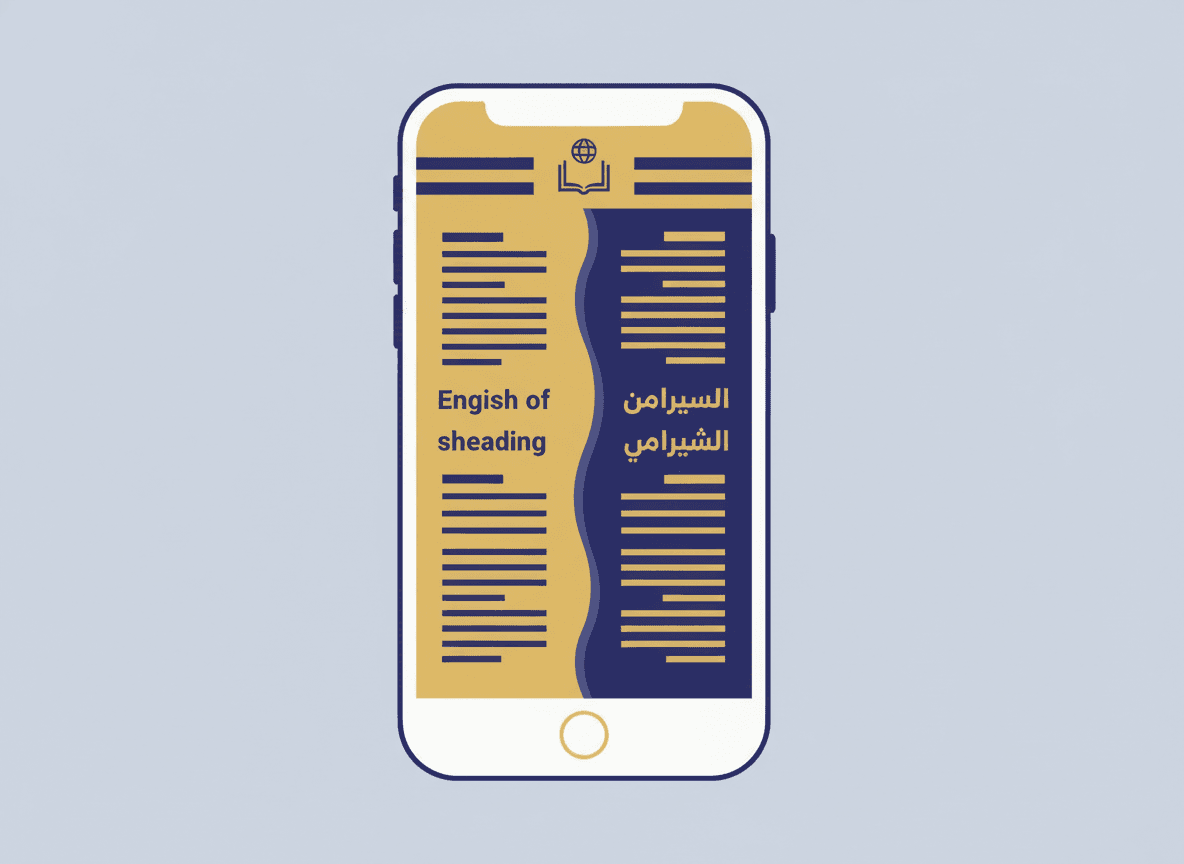
Producing the newsletter in the heritage language, or at minimum in parallel text, is both a practical communication strategy and a symbolic statement. It demonstrates that the heritage language is a vehicle for real institutional communication, not just an academic subject. Daystage supports sending heritage language program newsletters in any language, allowing programs to embody their language philosophy in their communication practices.
Get one newsletter idea every week.
Free. For teachers. No spam.
Frequently asked questions
What is a heritage language program and what communication challenges does it have?
Heritage language programs, also called community language schools, serve students who are connected to a non-English language through family background but who are dominant or co-dominant in English. Communication challenges include reaching families who span a wide range of heritage language proficiency, explaining the program's goals to families who may have internalized a belief that heritage language maintenance is unnecessary, and building community across families with varying degrees of cultural connection.
How do heritage language newsletters address the 'why does this matter' question?
Many heritage language families need to hear regularly why maintaining the heritage language is worth the investment of time and resources. Research on bilingualism, cognitive benefits, cultural identity, career value, and family connection should be woven into newsletter content throughout the year, not just at enrollment. Families who understand the rationale are more consistent participants.
Should heritage language newsletters be written in the heritage language?
Many heritage language program newsletters are written primarily in the heritage language to model the program's goals and to make the newsletter itself a use-case for the language. However, because many heritage families are English-dominant, an English version or parallel text is often needed to reach parents who cannot read the heritage language fluently.
How do heritage language programs use newsletters to build cultural community?
Newsletters that include cultural calendar events specific to the heritage community, stories from community elders or cultural figures, and updates on student cultural learning projects build the sense that the school is a genuine community hub rather than just a language instruction program. Cultural connection is often the deepest motivation for heritage language enrollment.
Can Daystage support heritage language program newsletters?
Yes. Daystage supports newsletter creation and distribution in any language, which makes it useful for heritage language programs serving communities with languages ranging from Portuguese to Hebrew to Korean to Arabic.

Adi Ackerman
Author
Adi Ackerman is a former classroom teacher and curriculum writer with 8 years in K-8 schools. She writes about school communication, parent engagement, and what actually works in real classrooms.
More for Bilingual
Ukrainian School Newsletter: Communicating with Newly Arrived Ukrainian Families
Bilingual · 5 min read
Bilingual Kindergarten Newsletter: Welcoming Multilingual Families in the First School Year
Bilingual · 5 min read
English Learner Reclassification Newsletter: Communicating the Process to Families
Bilingual · 6 min read
Ready to send your first newsletter?
3 newsletters free. No credit card. First one ready in under 5 minutes.
Get started free