

Bilingual Summer School Newsletter: Language Learning All Year
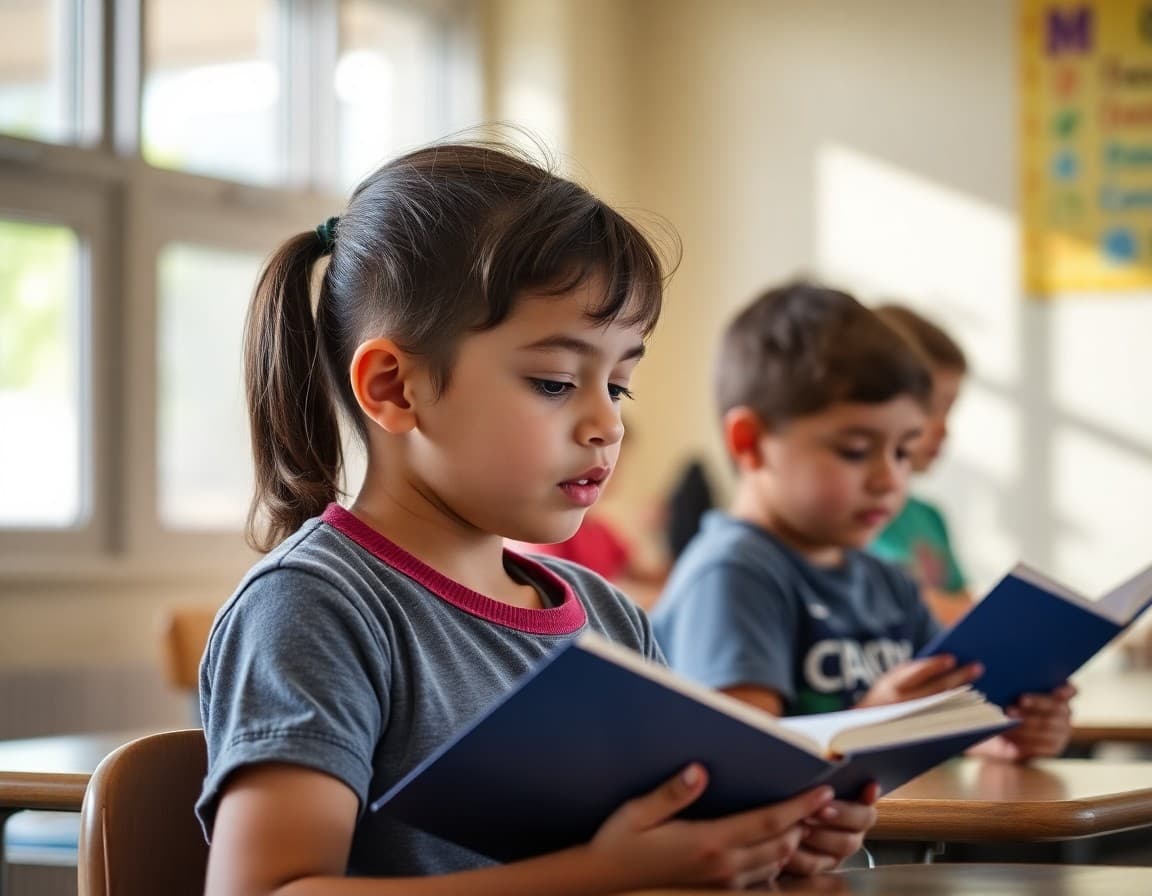
Summer is the season when bilingual programs lose the most ground. Students who spent ten months developing literacy in two languages can lose two to three months of reading level progress during an unstructured summer. For bilingual programs specifically, the problem compounds because minority language exposure often drops sharply when school ends and the English-dominant world takes over. A bilingual summer school newsletter addresses both problems: it keeps the program's academic momentum going and gives families the tools to maintain language exposure at home even when the formal program ends.
Before Summer: The Pre-Summer Newsletter
Send a dedicated pre-summer newsletter in late May that gives families a concrete summer language plan. Do not wait until June when families have already mentally checked out. Include a summer reading list in both languages, a list of free resources like library programs, streaming shows, and apps that support bilingual learning, and a simple weekly routine families can follow. A suggested routine like "20 minutes of Spanish reading before breakfast, one Spanish conversation at dinner" is more likely to be followed than a general instruction to maintain the home language over the summer.
Weekly Summer School Newsletter Structure
If you run a summer school program, send a one-page newsletter weekly. Keep the structure identical every week: this week's theme and vocabulary, one activity families can do at home, a celebration of something students achieved that week, and the schedule for the following week. Families who know what to expect from the newsletter format are more likely to read it than families who receive unpredictable communication. Consistency in format is itself a form of respect for families' time.
A Sample Weekly Summer Newsletter Block
Semana 3: La comunidad / Week 3: Community
Esta semana aprendimos vocabulario sobre los trabajadores de la comunidad. | This week we learned vocabulary about community workers.
Vocabulario / Vocabulary: el bombero (firefighter), la enfermera (nurse), el cartero (mail carrier), la maestra (teacher), el cocinero (chef)
En casa esta semana / At home this week: Point to community workers you see during the day and use their Spanish job title. If you pass a fire station, say "bombero." If you see a mail carrier, say "cartero." Five minutes of this is worth more than 20 minutes of workbook practice.
Addressing the Summer Slide With Families
Explain the summer slide directly in your pre-summer newsletter. Students who read 20 minutes daily over summer maintain their reading level. Students who do little or no reading over a 10-week summer can lose two to three months of progress. For bilingual students, this math applies to both languages independently. An eight-year-old who reads in Spanish every other day will arrive in September ready to continue where they left off. An eight-year-old who does no Spanish reading over summer may need several weeks of school to recover the ground they lost. Families who understand this take the summer reading recommendation seriously rather than treating it as optional.
Summer Cultural Programming Worth Featuring
Summer is an excellent time for cultural content in your newsletter. Feature local events, festivals, and community programs tied to the heritage languages your program serves. A Mexican community festival, a Chinese New Year summer celebration, an African cultural center program, a Spanish film series at the local library. These events are free or low-cost and provide exactly the kind of authentic language and cultural immersion that no classroom can replicate. A well-curated events list in your summer newsletter positions your program as a resource, not just a school.
End-of-Summer Assessment and Next Year Preview
Close summer school with a final newsletter that shares the program's accomplishments. How many books did students read collectively? What cultural events did you celebrate? What are the biliteracy milestones the group reached? Then preview September: what language goals will students work toward in the fall, what materials they should have ready for the first week, and what families can do in the last two weeks of summer to set their child up for a strong start. A newsletter that connects the end of summer to the beginning of the new school year gives families continuity rather than an abrupt restart.
For Students Not in Summer School: A Home Language Packet
Not every bilingual student attends summer school. Send a home language support packet to all bilingual program families at the end of June: a curated reading list, a simple weekly activity calendar, and a list of free apps and websites that support the program's second language. This takes one day to create and can be reused annually with minor updates. Families who receive this resource feel supported even when their child is not in formal programming. It keeps the school relationship active through summer and reduces the re-engagement effort in September.
Get one newsletter idea every week.
Free. For teachers. No spam.
Frequently asked questions
What should a bilingual summer school newsletter cover?
Include the program schedule and pickup logistics in both languages, weekly themes with vocabulary lists families can use at home, cultural activities planned for the session, and progress updates on reading levels in both languages. Summer school families often do not get the same regular communication as during the school year, so the newsletter fills a gap that can otherwise lead to families feeling disconnected from a program they may be uncertain about.
How do I prevent summer language loss in bilingual students?
Consistent daily exposure is the most effective strategy. Recommend 20 to 30 minutes of reading per day in the non-English language, regular conversations with family members in the heritage language, and at least two structured activities per week from the home practice list your program provides. The summer slide in language skills is real and measurable, but it is largely preventable with low-effort daily habits rather than intensive instruction.
How do I communicate with families during a short summer program?
Weekly newsletters during a summer program keep families informed without overwhelming them. Each issue should cover that week's themes, one home practice activity, any schedule changes, and a note about what children accomplished. Keep it to a single page per language. Summer families are less structured than during the school year and will not read a long newsletter when they are managing vacation schedules and childcare logistics.
What are good bilingual summer reading recommendations I can include in the newsletter?
For Spanish-English programs, recommend series like Alma Flor Ada's Cuentos para nina, the Pura Belpr Award winners, and Scholastic's bilingual editions of classic picture books. For other languages, check with your public library's bilingual children's section and list 5 to 8 books with reading level ranges. Families are much more likely to follow through on reading recommendations when you give specific titles rather than general guidance to read in both languages.
Can Daystage support weekly communication during a summer program?
Yes. Daystage is particularly useful for short-term programs like summer school because you can set up all your weekly newsletters at the start of the summer and schedule them to go out automatically. You do not have to remember to send each one during the program when you are managing instruction, field trips, and attendance all at once. Set it up in June and it runs itself through August.

Adi Ackerman
Author
Adi Ackerman is a former classroom teacher and curriculum writer with 8 years in K-8 schools. She writes about school communication, parent engagement, and what actually works in real classrooms.
More for Bilingual
Bilingual Classroom Newsletter Tips: What Actually Works for Multilingual Families
Bilingual · 5 min read
Bilingual Back-to-School Newsletter: Welcoming Multilingual Families at the Start of the Year
Bilingual · 6 min read
Additive Bilingualism Newsletter: Why Being Bilingual Matters
Bilingual · 6 min read
Ready to send your first newsletter?
3 newsletters free. No credit card. First one ready in under 5 minutes.
Get started free