

First Week of School Newsletter Ideas for Teachers and Principals
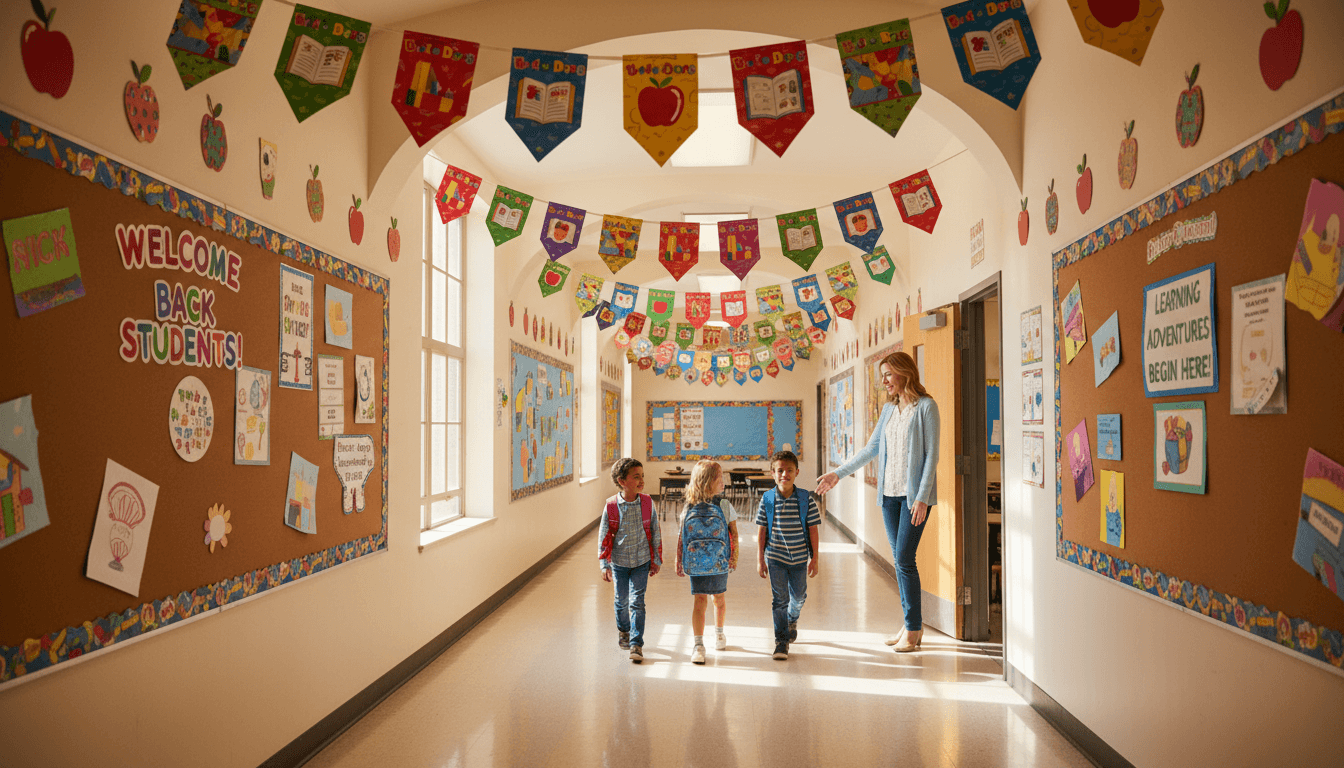
The first week of school newsletter is one of the most-read communications you will send all year. Parents who were nervous about the transition will open it immediately. Giving them something real to read, not just logistics, is how you turn that attention into lasting engagement.
Here are specific ideas for what to include, organized for both classroom teachers and principals.
For teachers: recap what actually happened
Parents want to hear what their child experienced, not what you planned. Write two or three sentences about what the first week actually looked like. "We spent most of Monday getting to know each other and learning classroom procedures. By Wednesday, students were already asking to spend more time on the community-building activity we started."
That kind of reporting tells parents their child is in a room with a teacher who pays attention. It is far more valuable than a summary of your instructional goals.
Include one specific moment. A question a student asked, a funny thing that happened during lunch procedures, a moment where the class did something surprising. This is the part parents will read out loud to their children.
For principals: address the whole school community
First week principal newsletters set the tone for school-wide communication. Cover three things: how the school feels heading into the year, what families should expect from the school calendar in the coming month, and any logistical issues that came up in the first week that need clarification.
Acknowledge the transition directly. "The first week is always a mix of excitement and adjustment. We saw both this week." That kind of honest language builds credibility. Principals who write like every week went perfectly sound out of touch.
Thank teachers and staff publicly in the newsletter. One sentence acknowledging the work that went into getting ready is good for morale and signals to families that the school has a real team behind it.
Include a forward-looking section
Families who just survived the first week want to know what is coming next. Add a short section called "Coming Up" or "Next Week" that lists two or three things on the calendar.
Keep each item to one line. "Tuesday September 10: picture day, school clothes reminder." "Friday September 13: early release at 1:30 PM." Bullet points for this section, not paragraphs. Parents need to scan it quickly.
Add one action item, not five
If families need to do something this week, say it clearly and once. Return the emergency contact form. Sign the technology use agreement. Register for the parent night. One thing per newsletter trains parents to act. Five things trains them to defer everything.
If there genuinely are multiple action items, list them but mark the most urgent one at the top. "The most important thing this week: emergency contact forms are due by Friday." Then list the secondary items below.
Close with a connection prompt
The best first week newsletters end with something parents can use with their child. A question to ask at dinner, a way to connect what happened in school to something at home.
"Ask your child what the class decided to call themselves this year. We chose our class name on Friday and they all have strong opinions about it." That turns the newsletter from a broadcast into a conversation starter. Families who use the prompt feel more connected to the classroom, and that connection makes them more engaged partners all year.
Make it a habit, not a one-time effort
The first week newsletter matters most not because of what it contains but because of what it starts. Families who receive a thoughtful newsletter in week one expect one in week two. Set that expectation deliberately.
Tell families in the first newsletter when to expect the next one. "I send a newsletter every Friday afternoon. Look for it in your inbox at the end of each week." That sentence turns a single communication into an ongoing relationship.
Get one newsletter idea every week.
Free. For teachers. No spam.
Frequently asked questions
When should teachers send the first week of school newsletter?
Friday afternoon of the first week is the standard. Families are curious about how the week went, and Friday gives you the full week's worth of material to draw from. Send between 3 PM and 6 PM, when parents are most likely to check email on their phones on the way home or after pickup.
What content should go in a first week of school newsletter?
Four things: a brief recap of what happened, what is coming up next week, any action items (forms, supplies, sign-ups), and one specific moment from the classroom. The specific moment is what parents share with their kids at dinner. It makes the newsletter worth reading even when nothing requires action.
How is a first week newsletter different from a pre-school newsletter?
The pre-school newsletter is informational, covering logistics and introductions. The first week newsletter is relational, telling the story of what actually happened in your classroom. It is evidence that you are paying attention and that school is going well. Parents who were anxious about the first week will read every word.
What should principals include in a first week newsletter that teachers should not?
Principals should cover school-wide themes like tone of the week, attendance data, and upcoming school events. Teachers should focus on the classroom level. Redundancy between principal and teacher newsletters is confusing for families, so coordinate on who covers what to avoid overlap.
How can Daystage help teachers send first week newsletters faster?
Daystage's weekly newsletter template has the structure built in, so you are filling in content instead of deciding on format every Friday. Most teachers on Daystage report getting their first week newsletter out in under 20 minutes, which makes it realistic to sustain all year.

Adi Ackerman
Author
Adi Ackerman is a former classroom teacher and curriculum writer with 8 years in K-8 schools. She writes about school communication, parent engagement, and what actually works in real classrooms.
More for Back to School
Ready to send your first newsletter?
3 newsletters free. No credit card. First one ready in under 5 minutes.
Get started free