
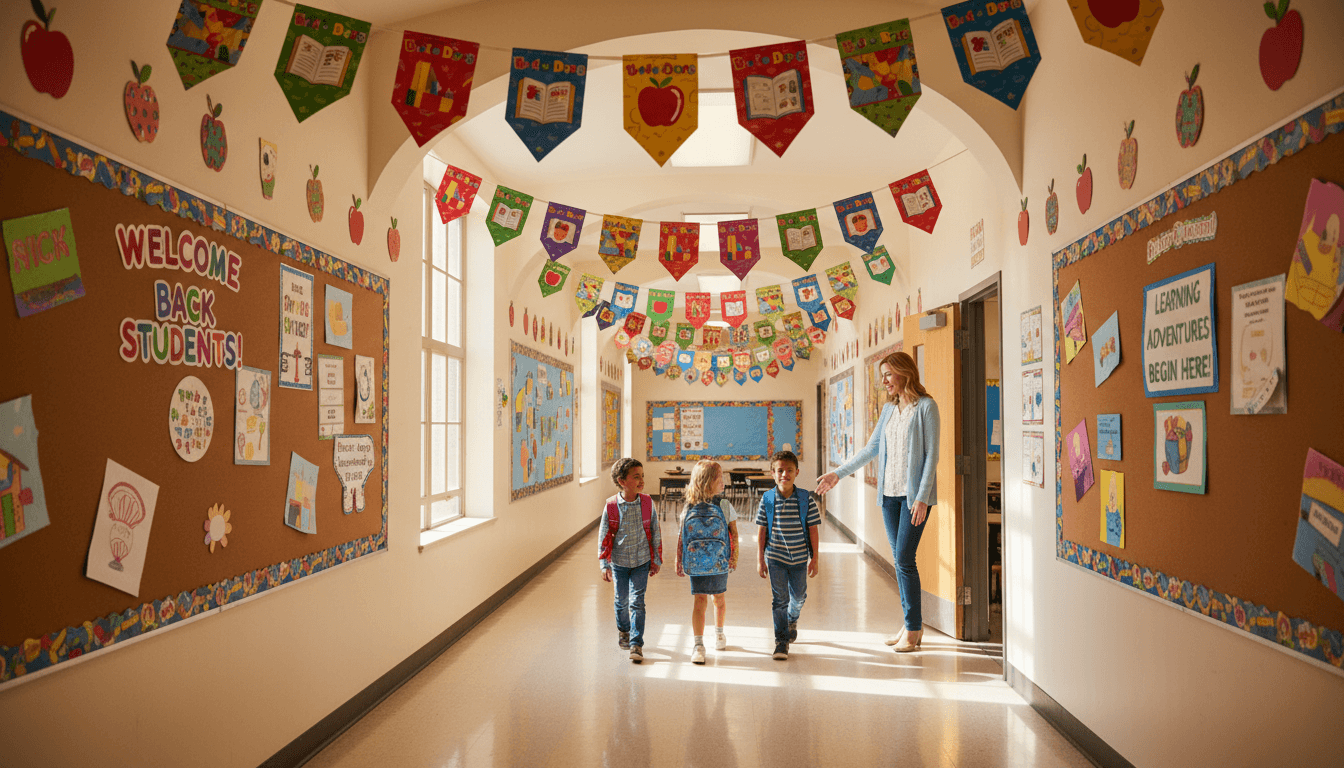
Back-to-School Newsletter Guide for Elementary Teachers
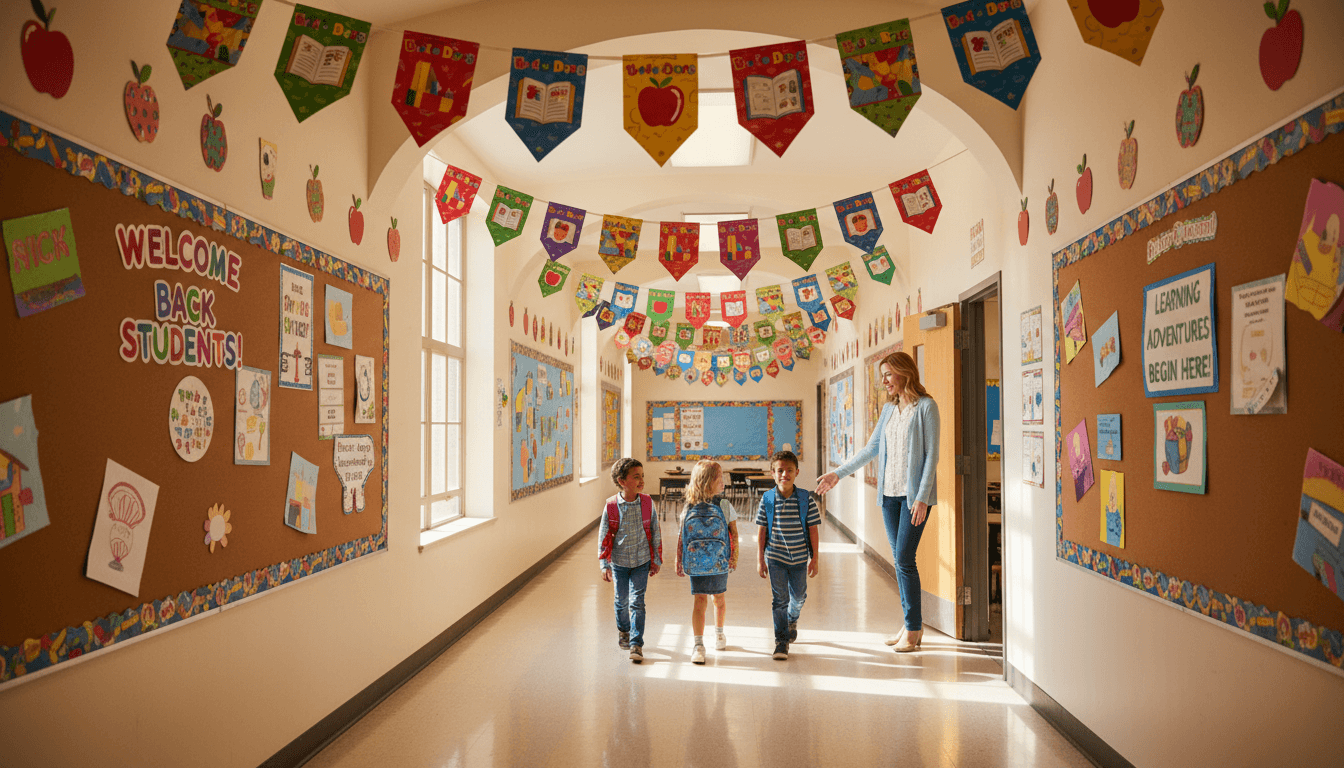
The back-to-school newsletter from an elementary teacher is one of the most-read pieces of communication a family receives all year. Families of young children are eager to understand the daily life of the classroom, the teacher's personality, and what their child's year is going to feel like. A newsletter that answers those questions warmly and practically sets the tone for a strong family-teacher partnership.
Introduce yourself as a person, not just a title
Your teaching philosophy, one thing you are genuinely excited about for this year, and your background give families a sense of who you are before they meet you. "I have been teaching second grade for seven years. I love teaching writing, particularly when students surprise themselves by how much they have to say. This year we have a new author study unit I have been planning since January and I cannot wait to start it." That kind of introduction is memorable.
Describe the daily schedule
Walk families through the rhythm of the school day: arrival time, morning routine, lunch and recess, specialist schedule, dismissal. For elementary families, the schedule is a window into their child's day and a tool for preparing their child for what to expect. "We have library on Mondays and gym on Wednesdays and Fridays" is the kind of detail a parent tells their child at breakfast.
Set communication expectations clearly
Tell families how you prefer to communicate, how quickly they can expect a response to emails, whether there is a better time to reach you, and how you handle concerns that need immediate attention. "For non-urgent questions, email is best. I check it by 7:30 AM and after 3:30 PM. If your child is sick, please call the main office and copy me on email so I can update attendance."
Name your classroom routines
A brief description of two or three classroom routines gives families something to ask their child about and tells them the classroom has structure. Morning meeting, homework routine, reading log, take-home folder system. These are not policies that require a detailed explanation. They are the daily structure that gives a classroom its character.
Suggest one thing families can do right now
Every back-to-school newsletter benefits from one clear call to action for families: read together for twenty minutes tonight, ask your child one question about the first day, make sure the take-home folder is checked each evening. One specific ask is more likely to happen than a list of suggestions.
Get one newsletter idea every week.
Free. For teachers. No spam.
Frequently asked questions
What should an elementary teacher's back-to-school newsletter include?
A warm introduction, the daily schedule, supply list reminders, communication expectations, classroom routines, and a few concrete things families can do to support their child at home. Keep it under one page equivalent and organized into short sections.
Should elementary teachers send the back-to-school newsletter before or after the first day?
Before is better. A newsletter that arrives five to seven days before school starts gives families time to act on the information and reduces first-morning questions. If that is not possible, sending it the evening of the first day still beats waiting until the second week.
How do you make an elementary newsletter feel personal without being too informal?
Use your first name in the closing, include one specific thing you are excited about in the classroom this year, and write in the second person. 'You will notice' and 'your child will' are more engaging than 'students are expected to' and 'the class will.'
How much information about curriculum should the first newsletter include?
An overview is appropriate: the major subjects and a sentence about the approach in each. Save the detailed curriculum overview for a separate communication or the first week. The back-to-school newsletter is for orientation, not for every detail.
How does Daystage help elementary teachers stay connected with families all year?
Daystage gives elementary teachers a simple tool to send weekly or monthly newsletters to their classroom families without managing distribution lists or attachments. You write it and it reaches every family.

Adi Ackerman
Author
Adi Ackerman is a former classroom teacher and curriculum writer with 8 years in K-8 schools. She writes about school communication, parent engagement, and what actually works in real classrooms.
More for Back to School
Back to School Phone Communication Guide Newsletter: Setting Expectations With Families
Back to School · 5 min read
Meet the Teacher Newsletter: What to Include Before School Starts
Back to School · 6 min read
Back to School Community Events Newsletter: Building School Community From the First Week
Back to School · 5 min read
Ready to send your first newsletter?
3 newsletters free. No credit card. First one ready in under 5 minutes.
Get started free