
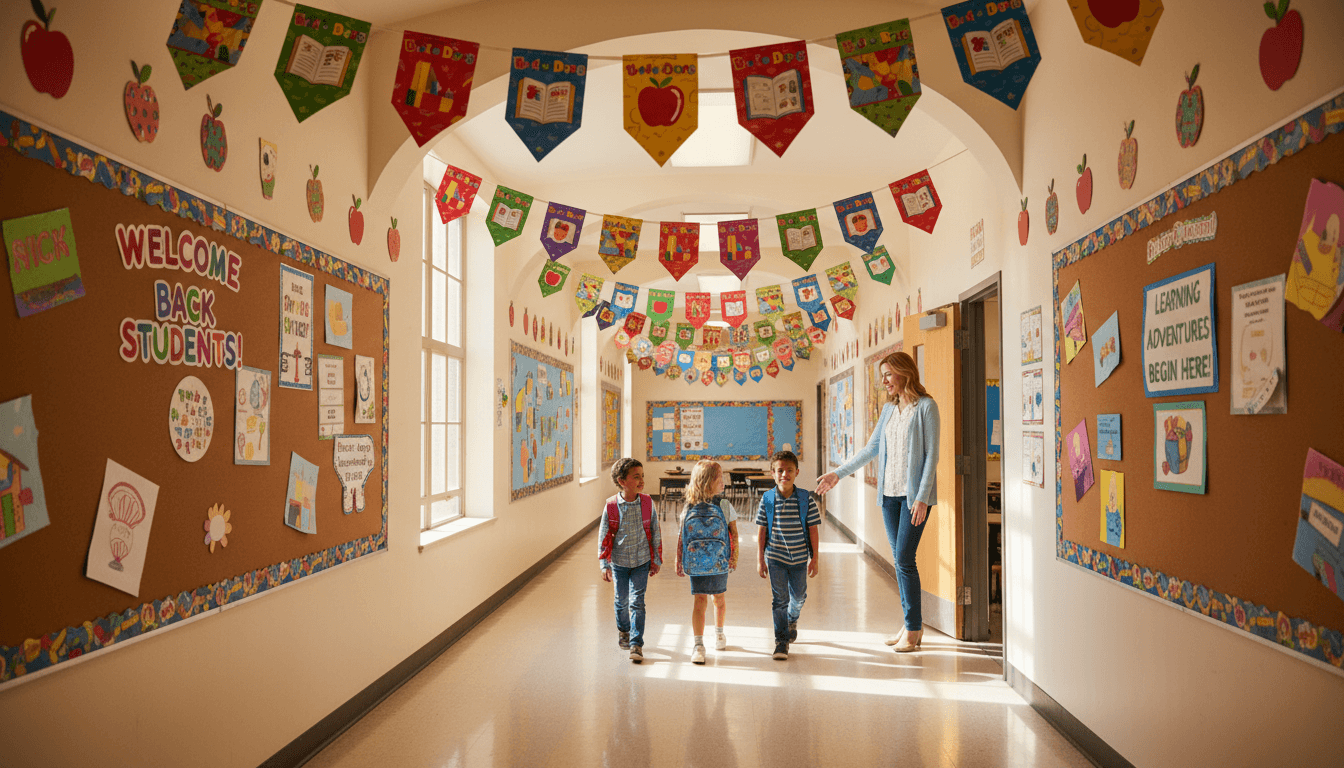
Back-to-School Newsletter for ELL Families: Communication Guide
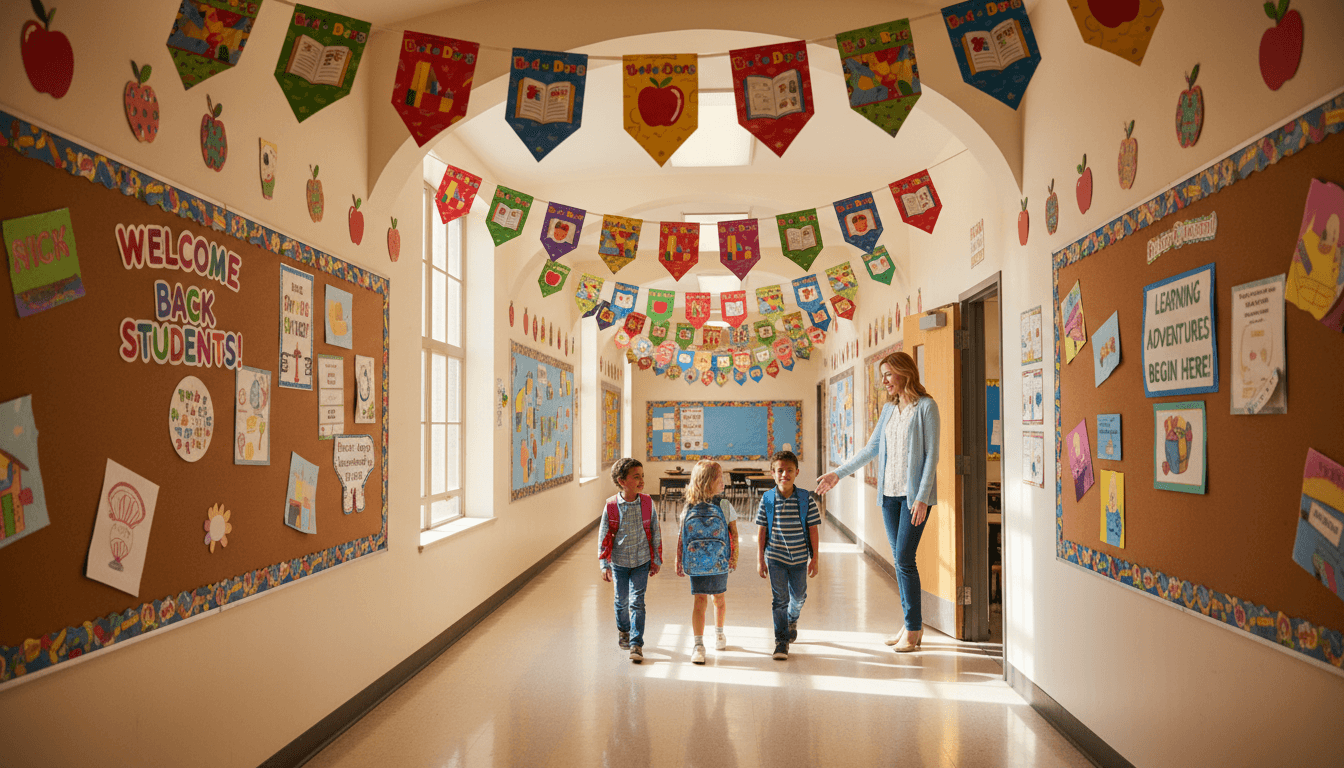
ELL families receive the same back-to-school newsletters as every other family on your roster. If those newsletters are only in English, a portion of your school community is starting the year without the information every other family has. Closing that gap is not optional and not difficult once you have a system.
Here is how to build that system before school starts.
Find out which families need language support before the year begins
Your school's ELL coordinator or office staff should have a list of families who identified a home language other than English during enrollment. Get that list before you finalize your pre-school newsletter. Knowing which families need translation before you send means you can include it from the start, not scramble to send a follow-up in September.
If your school does not have a centralized language access system, ask the office whether enrollment forms capture home language. Even informal knowledge of which families are likely to need translation is better than nothing.
Write the English version in plain language first
Educational newsletters are full of phrases that translate badly: "accommodations," "specials," "dismissal procedure," "emergency contact." Before translating anything, go through your newsletter and simplify. Replace "specials" with "art, gym, and music classes." Replace "dismissal procedure" with "how students leave school at the end of the day."
Plain language is not dumbed-down language. It is language that communicates clearly without assuming the reader already knows the school system's vocabulary. A plainly written English newsletter is better for all families and produces more accurate translations.
Use district translation resources, not just machine translation alone
Machine translation tools have improved significantly and are a reasonable starting point for newsletters. They are not a finished product. School communication often includes context-dependent phrases, proper nouns, and instructions that machine translation misreads in ways that change meaning.
Run machine-translated drafts past a bilingual staff member, a district language access coordinator, or a trusted community member before sending. One review catches the errors that would confuse families or, in the case of safety-related information, potentially cause harm.
Include key information in multiple languages in the same document
For schools with two or three dominant home languages, the simplest approach is to include the essential information in each language in a single newsletter. "School starts September 3 at 8:25 AM" followed by the same information in Spanish and Portuguese, for example.
This approach works well for short, high-priority sections like dates, supply lists, and drop-off procedures. For longer newsletters, a separate translated document may be cleaner. The goal is that every family finds the key information in a language they can read.
Communicate through trusted community channels
For some ELL families, email is not the primary channel for communication. They may receive information more reliably through a community organization, a religious institution, or through other parents in the same language community.
Ask your ELL coordinator which informal channels reach your ELL families most reliably. A printout sent home in a student's backpack sometimes reaches a family who never opens school email. Paper is not obsolete for every community.
Set up two-way communication in the home language
ELL families who can receive newsletters in their language also need a way to respond. If a parent has a question about the supply list and can only write in Spanish, they need to know there is someone who can read and respond to them.
Include in your pre-school newsletter: "If you prefer to communicate in [language], please contact our school office at [number] and ask for our language line. We can arrange a conversation in your preferred language." That one sentence tells families the door is open, which is itself the message that matters most.
Get one newsletter idea every week.
Free. For teachers. No spam.
Frequently asked questions
What is a teacher's responsibility for communicating with ELL families at the start of the school year?
Under federal law, schools are required to provide meaningful access to school communication for families with limited English proficiency. This applies to back-to-school newsletters, just as it does to any other school communication. Teachers cannot fulfill this obligation by sending an English-only newsletter to families who cannot read English.
How can teachers get newsletters translated before school starts?
Start with your school or district's ELL coordinator. Most districts have translation resources for common school communications. For specific classroom newsletters, tools like Google Translate can produce a usable draft, but have a bilingual staff member or community member review it before sending. Machine translation of school communication often produces errors that change meaning.
What communication style works best for ELL families in back-to-school newsletters?
Plain language, shorter sentences, and minimal jargon. Even with translation, educational idioms and complex sentence structures make newsletters harder to process. Write in plain English first, then translate. A plainly written English newsletter translates more accurately and reads better in the target language.
How should teachers handle families who primarily communicate by phone rather than email?
Note it in your records and have a translation-support plan for phone calls. Many districts have language line services that work for phone interpretation in real time. Identify this resource before school starts so you are not scrambling in September. Some families also prefer communication through a bilingual family member.
Does Daystage support multilingual newsletters for ELL families?
Daystage newsletters can include translated text alongside the English version, or separate newsletters can be sent to specific family groups. Teachers working with ELL populations can set up a Spanish, Portuguese, or other language newsletter list alongside the main English list and send to both simultaneously.

Adi Ackerman
Author
Adi Ackerman is a former classroom teacher and curriculum writer with 8 years in K-8 schools. She writes about school communication, parent engagement, and what actually works in real classrooms.
More for Back to School
Ready to send your first newsletter?
3 newsletters free. No credit card. First one ready in under 5 minutes.
Get started free