
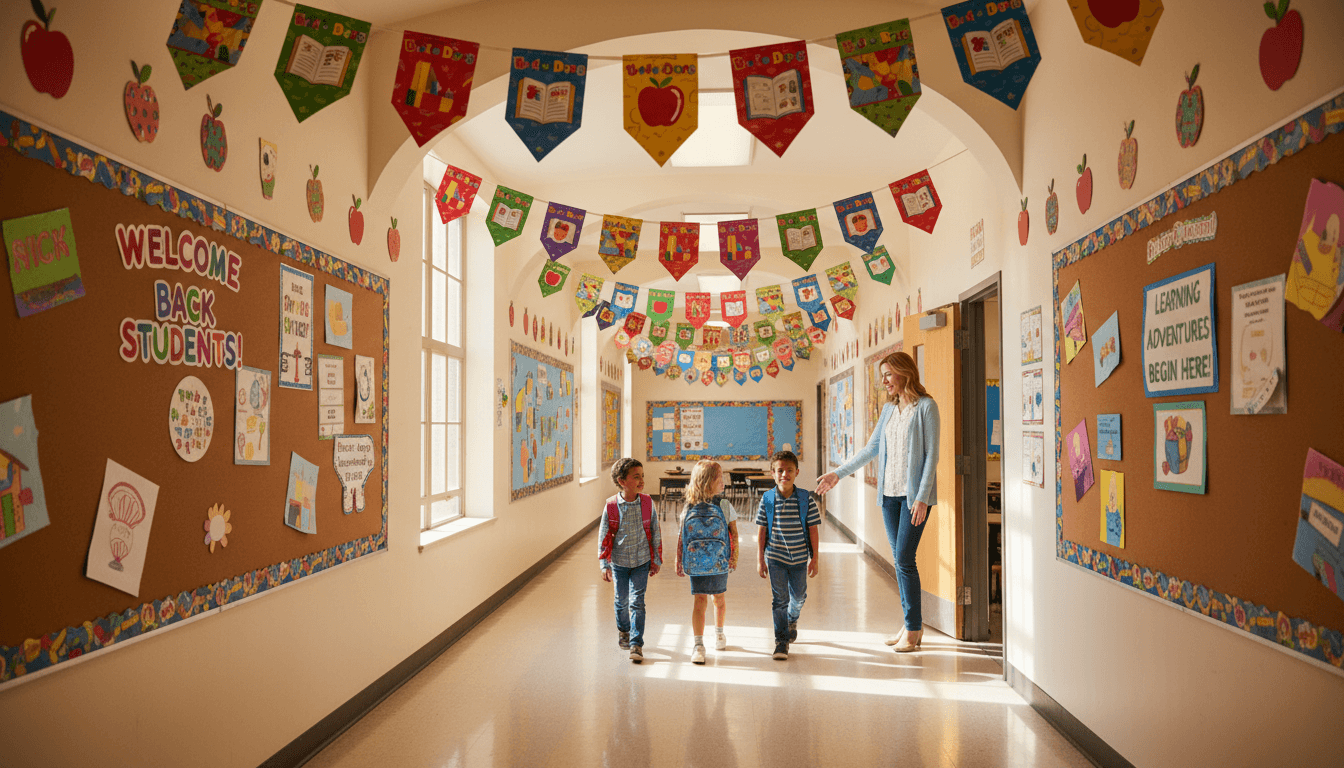
Back to School Classroom Community Newsletter: Building Belonging From the First Day
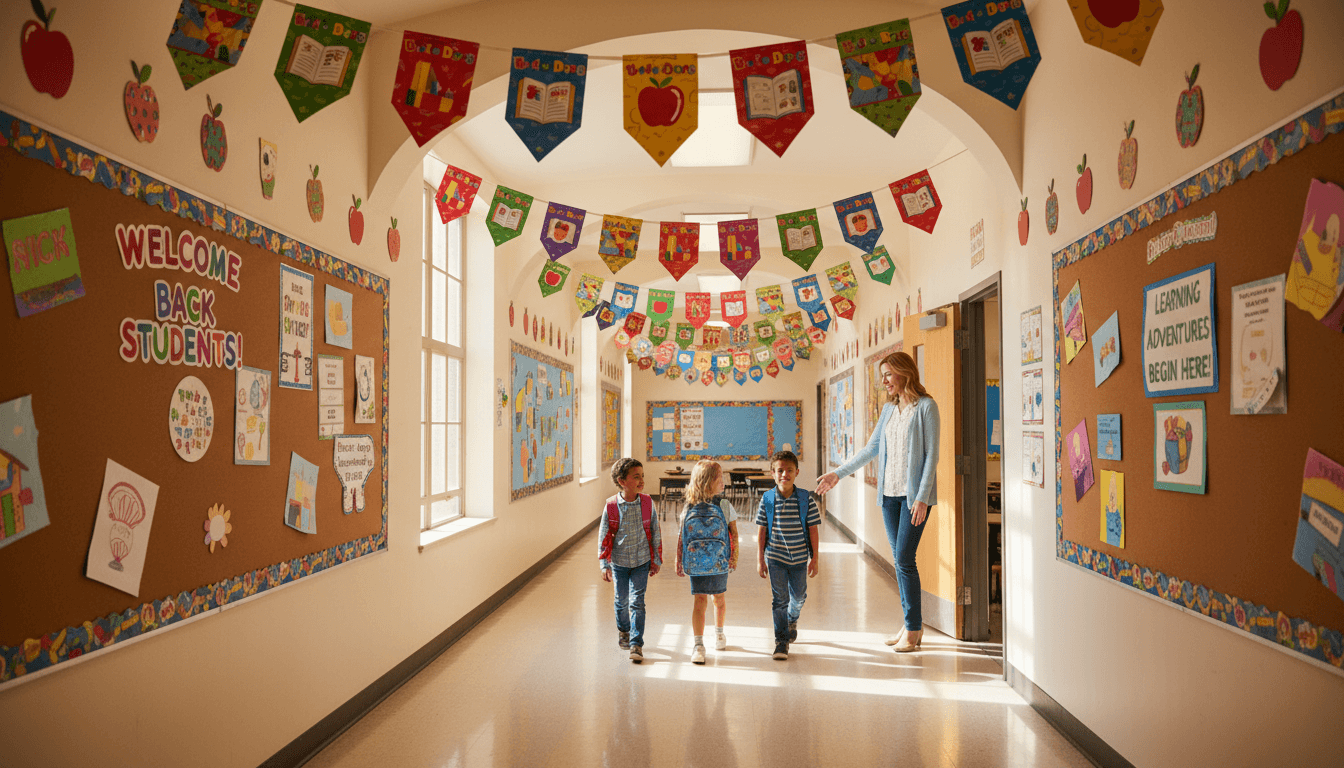
Students who feel they belong in their classroom show up differently than students who do not. They ask questions, they take academic risks, they repair relationships after conflict, and they come back the next day. Building that sense of belonging is not accidental. It is deliberate. A newsletter that invites families into the classroom community model makes them partners in building what their child's school experience becomes.
What Classroom Community Means in Practice
Explain the classroom community approach in concrete terms. If the class uses morning meeting, describe what it looks like: five to ten minutes each day where students share something brief, practice a social skill, and hear an academic message before the learning day begins. If the class uses community agreements, describe how those were created (students had input) and how they are used (referenced when a student needs a reminder, not as punishment language).
Many families encounter social-emotional learning language without understanding what it means in a classroom. "We practice SEL" is less helpful than "each week, students learn a specific skill like active listening or handling disagreement and we practice it in real situations." The more specific the description, the more families trust the process and support it at home.
How Students Build Relationships in This Class
Describe the structures the class uses to help students build relationships with each other: partner work, collaborative projects, community jobs, buddy systems for new students, or peer mentoring. Students who have established relationships with at least three classmates by October are significantly less likely to be chronically absent than students who have none. These structures are not enrichment activities. They are attendance interventions.
Also describe how the class handles situations where relationships break down. When students have a conflict, what is the process? Is there a designated "peace corner" or mediation process? Do students meet with the teacher to repair? Families who understand the conflict resolution process are better positioned to support it at home when their child is frustrated with a classmate.
The Teacher's Role in the Community
Share something genuine about how the teacher approaches community-building. A brief statement about what the teacher believes about belonging, why they use the practices they do, and what they hope every student experiences in the classroom by the end of the year gives families a sense of the values behind the structure.
This human context matters. Families who understand why their child's teacher spends ten minutes each morning on community rituals rather than jumping immediately into instruction are more supportive of the practice than those who see it as time away from academics. Community-building is part of the academic program, and communicating that connection is the teacher's job.
How Families Can Reinforce Belonging at Home
Give families specific things they can do. Ask your child: "Who did you help today? Who helped you?" rather than "how was your day?" Ask about something that happened at morning meeting. Notice when your child uses conflict resolution language at home and name it: "That was good problem-solving." These specific, actionable suggestions are more useful to families than general encouragement to support social-emotional learning.
Also address what to do when a child reports a peer conflict. The instinct to call the other student's family directly or to tell the child to ignore it are both counterproductive. Encourage families to listen, validate, and help the child think through their options, then communicate with the teacher if the situation persists or escalates.
Celebrating Community Across the Year
Preview how the classroom community will be recognized and celebrated throughout the year: a class "shout-out" wall, community achievement milestones, end-of-year reflection activities. These rituals teach students that community is something worth maintaining, not just something that happens on the first week of school.
Daystage makes it easy to send classroom community newsletters at the start of the year and follow-up communications that keep families informed about SEL milestones, community challenges, and the social growth that academic growth depends on.
Get one newsletter idea every week.
Free. For teachers. No spam.
Frequently asked questions
What should a classroom community newsletter communicate to families?
The social-emotional learning framework the class uses, what morning meeting or community circle looks like and why it matters, the classroom agreements students helped create and how they are reinforced, how the teacher handles peer conflicts, what families can do at home to reinforce community skills, and how the class celebrates individual and group accomplishments across the year.
Why is classroom community communication important for families at the start of the year?
Families who understand the classroom culture are better partners in it. A student who hears from their family that their teacher's morning meeting approach is important treats it differently than a student who hears 'why are you doing that circle thing instead of work.' Families who understand the why behind community-building practices reinforce them at home rather than inadvertently undermining them.
How does classroom community affect student academic performance?
Students who feel they belong in their classroom are more likely to take academic risks, ask questions, and persist through difficulty. Chronic absenteeism drops significantly in classrooms where students report strong belonging. The social-emotional environment of a classroom is not separate from academic outcomes. It is a precondition for them. Schools that communicate this connection to families build broader support for SEL practices.
How should teachers communicate classroom community values without making it feel like a behavior management sales pitch?
Share specific examples of what community looks like in the classroom: 'In our class, every student has a role in our weekly community jobs. We start each day with a check-in circle so everyone has a chance to be heard.' Concrete, specific descriptions land differently than 'we value respect and kindness.' Real details build real understanding.
Can Daystage help teachers send classroom community newsletters to families?
Daystage lets teachers and school administrators send classroom community newsletters that introduce the SEL framework, communicate the belonging vision, and give families specific ways to reinforce community values at home throughout the year.

Adi Ackerman
Author
Adi Ackerman is a former classroom teacher and curriculum writer with 8 years in K-8 schools. She writes about school communication, parent engagement, and what actually works in real classrooms.
More for Back to School
Ready to send your first newsletter?
3 newsletters free. No credit card. First one ready in under 5 minutes.
Get started free