
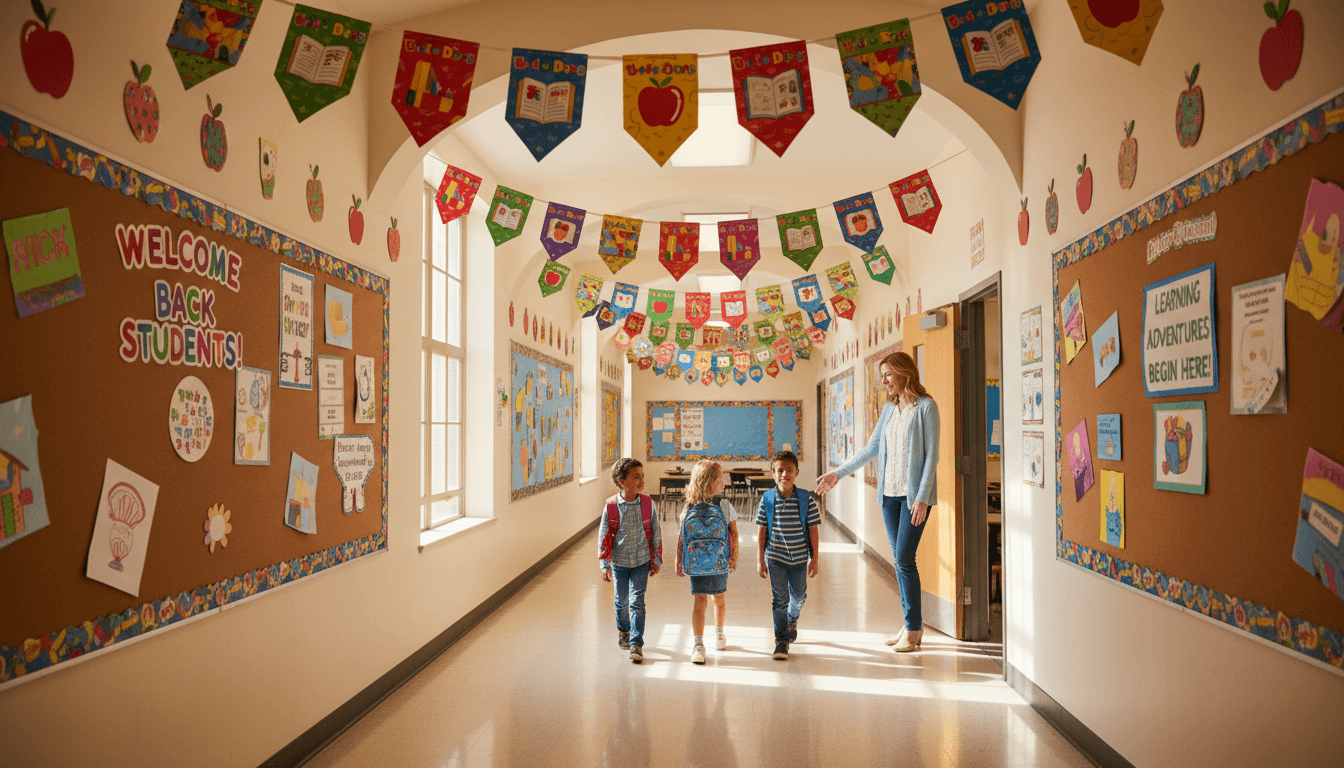
Back to School Community Events Newsletter: Building School Community From the First Week
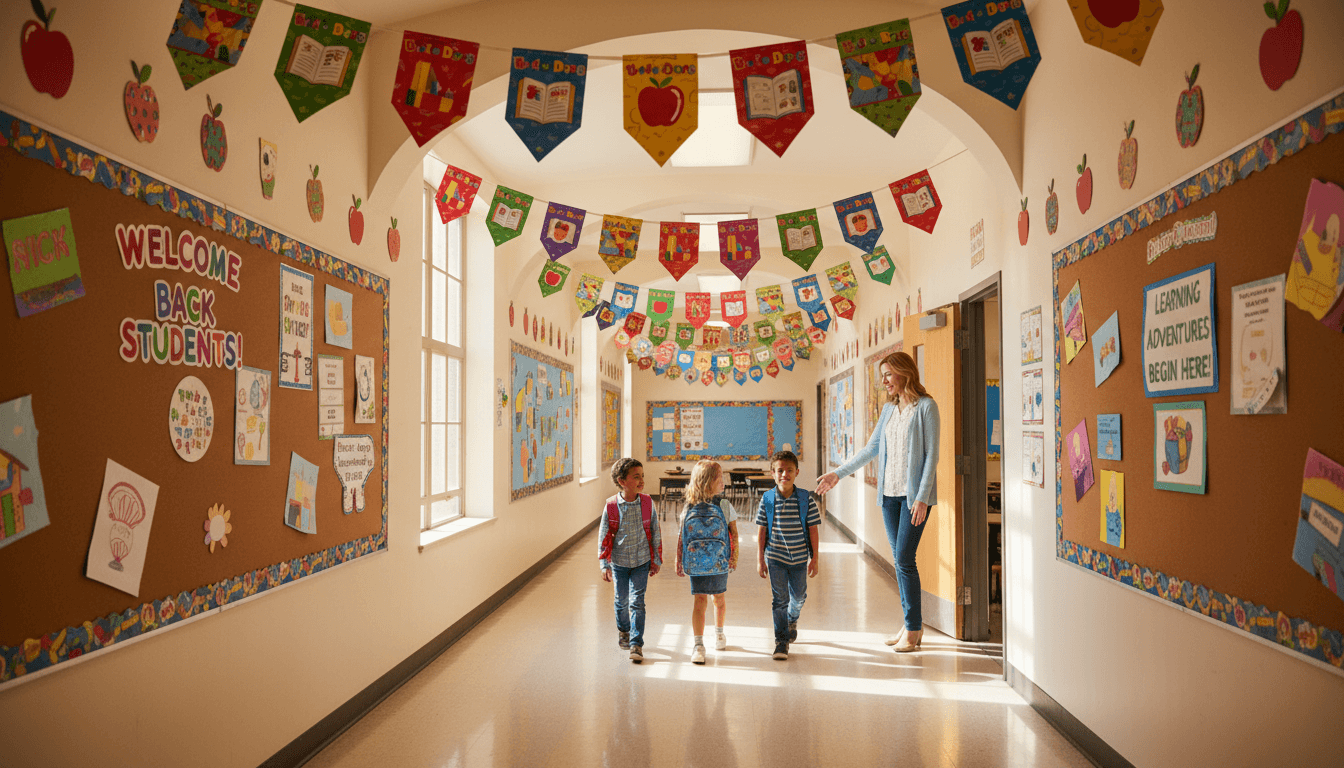
The school community that forms in the first three weeks of school shapes the level of family engagement for the entire year. Schools that have no community events in the early weeks miss the window when families are most motivated to connect. A newsletter that announces and explains community events is the bridge between a family who meant to get involved and one who actually shows up.
Why Early-Year Community Events Matter
Family engagement drops precipitously after October in most schools. The families who come to the first event are more likely to come to subsequent events. The families who never come in September rarely come in March. Early-year community events are disproportionately important for building the connections that sustain family involvement across the full school year.
Your newsletter should communicate this importance without it feeling like pressure. "This is the best time of year to meet the families your child will be with all year" is an accurate and motivating reason to attend. It is not a guilt trip. It is a genuine opportunity that has a specific window.
Event Announcement: More Than Date and Time
Announce each community event with more than a date, time, and location. Describe what families will do and experience there. Who will they meet? What is the atmosphere? Is there food? Are there activities for children of different ages? Is it okay if a family arrives late or leaves early? Is childcare provided for younger siblings?
Families are busy and making choices about how to spend limited time. An announcement that explains why the event is worth their limited evening or weekend time is more likely to result in attendance than a bare event notification.
Accessibility and Inclusion in Community Events
Address accessibility proactively. Is the event held in an accessible location? Are there Spanish-speaking staff members at the event? Is it safe to bring a stroller? Is the event appropriate for families whose children have sensory sensitivities? These considerations, mentioned briefly in the newsletter, communicate that the event is genuinely for every family, not only the families who fit a default assumption.
For multilingual communities, translate the event announcement into the primary languages represented in the school. A community event that every family knows about but that only English-speaking families can access from the newsletter is not building the full community.
What to Do After the Event: Sharing the Story
Send a brief follow-up newsletter after each community event: a few photos, a thank-you to families who attended, a description of what happened, and a note about what is coming next. This post-event newsletter serves three purposes: it celebrates the community that showed up, it shows families who could not attend what they missed (and what is coming), and it reinforces the sense that the school community is active and worth being part of.
A school that photographs its community events and shares the photos through a newsletter is building evidence of community. Over time, that evidence changes the culture. Families see photos of last year's picnic and put this year's on the calendar before the newsletter even arrives.
Building a Year-Long Community Calendar
Share the full-year community events calendar in the back to school newsletter. Families who can see what is coming in October, December, and February plan for it rather than encountering events as surprises. An annual calendar makes community participation feel like a rhythm rather than a series of unexpected requests for time.
Daystage makes it easy to send event announcements, reminders, and follow-up newsletters that build the school community from the first week of school and sustain it across the full year. A school community that communicates consistently and warmly creates the family engagement that every school's strategic plan identifies as a priority but few schools actually achieve.
Get one newsletter idea every week.
Free. For teachers. No spam.
Frequently asked questions
What community events should schools organize at the start of the school year?
A schoolwide family welcome picnic or gathering, grade-level meet-and-greet events, a PTA or PTO kickoff meeting, an ice cream social or outdoor movie night, a family volunteer orientation, and community walks or scavenger hunts that help new families learn the school building and neighborhood. The specific format matters less than having at least one low-stakes community-building event in the first three weeks.
How should community event newsletters increase family attendance?
Lead with the value to the family, not the logistics. 'Meet the families whose kids will be in your child's class this year' is more compelling than 'back to school picnic at 5pm.' Include specific, practical details: whether children are welcome, if food is provided, if there are activities for younger siblings, and how long the event is expected to last.
How can schools make community events accessible to all families?
Schedule at least one event in the evening and one on a weekend day to accommodate different work schedules. Offer translation at events with multilingual communities. Make activities child-friendly so families do not need a babysitter to attend. Choose accessible locations for families with mobility limitations. Communicate accessibility accommodations proactively.
How do school community events affect student engagement and outcomes?
Research consistently shows that family engagement in the school community is associated with better attendance, higher academic achievement, and more positive school culture. Events that help families feel connected to the school community are investments in student outcomes, not extracurricular activities. Schools that communicate this explicitly build more motivated volunteer and attendance rates.
Can Daystage support back to school community event communication?
Daystage lets schools send event announcements, reminders, and post-event recaps that build community across the full school year, starting with the first community gathering of the new year.

Adi Ackerman
Author
Adi Ackerman is a former classroom teacher and curriculum writer with 8 years in K-8 schools. She writes about school communication, parent engagement, and what actually works in real classrooms.
More for Back to School
Ready to send your first newsletter?
3 newsletters free. No credit card. First one ready in under 5 minutes.
Get started free