
June Athletic Director Newsletter: What to Communicate
June sits in an awkward spot for athletic directors. The spring season is closed, school is ending or just ended, and fall feels distant. But the families who are most invested in athletics are paying close attention right now. A focused June newsletter keeps them informed and positions your program for a strong fall start.
Summer Conditioning Program Details
This is the most time-sensitive item in a June newsletter. Football, cross country, volleyball, and many other programs run summer conditioning that begins in late June or July. Families need dates, times, locations, and contact information. Be explicit about what is voluntary versus what coaches consider a de facto expectation. Parents who are planning summer travel need this information now to work around it.
Sports Physical Deadline Update
If you sent a reminder in May, follow up in June with status on how many athletes have submitted physicals versus how many are still outstanding. Give the deadline again and the submission process. If your district offers any reduced-cost physical options through a community health partnership, this is the time to share those details. Athletes who arrive at preseason without a physical on file cannot practice.
Academic Eligibility and Summer School
Some athletes are completing credit recovery or summer coursework to meet eligibility requirements before fall. A brief note in your June newsletter acknowledging this situation, and directing families to the right counselor or registrar contact, helps families navigate it without having to track down information on their own. You do not need to name students or go into policy detail. A short paragraph with a contact name is enough.
Fall Sports Tryout and Start Date Preview
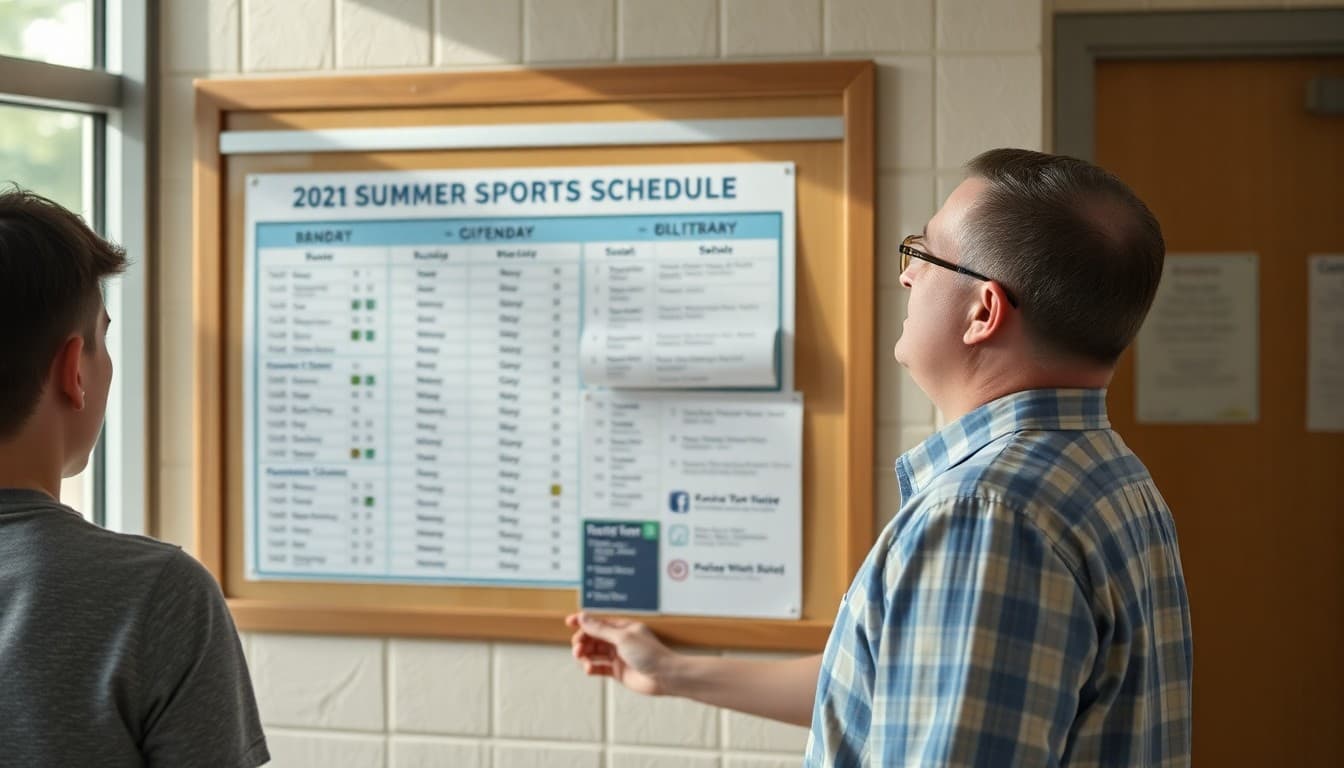
Even if schedules are not fully finalized, share what you know. The first day of fall practice, mandatory parent meeting dates, tryout timelines for cut sports, and equipment distribution windows are all useful to families. A simple date table organized by sport is easy to read on a phone and gives families something concrete to plan around.
New Coaching Staff Introductions
If any coaching positions changed over the spring, June is a good time to introduce new staff. A name, sport, and brief background note is all you need. Families appreciate knowing who is leading their athlete before the season starts. It also reduces the uncomfortable first meeting when families see an unfamiliar face running practice in August.
Club and Travel Team Options
Many families look for summer club options to keep athletes developing between school seasons. You do not need to officially endorse specific programs, but sharing a note about the existence of local club leagues and how they typically interact with school eligibility rules is genuinely helpful. Some districts have policies about club participation during certain windows. A short paragraph with a link to your eligibility policy is clearer than leaving families to guess.
Sample Newsletter Section
Here is a sample block you can adapt for your own June send:
"Summer conditioning for football begins June 23 at 8:00 AM on the varsity practice field. Attendance is voluntary. Sports physicals for all fall athletes are due by August 1. Submit the completed form to the athletic office. If you need to schedule a physical, our partner clinic at Riverside Health is offering appointments on June 28 and July 12. Details at the link below."
Format and Frequency
A single June newsletter, sent in the first two weeks of the month, is usually enough. Keep it under five sections. Families are transitioning to summer schedules, and a long newsletter will get skimmed or skipped. Lead with the most time-sensitive information, follow with important but non-urgent items, and close with contact information for questions. Daystage lets you structure this layout with drag-and-drop blocks, so you can build and send a clean newsletter in under an hour even when your own schedule is packed.
Get one newsletter idea every week.
Free. For teachers. No spam.
Frequently asked questions
What is the most important thing to include in a June athletic newsletter?
Summer program details come first. Families need to know which conditioning sessions are happening, when they start, and whether participation is voluntary or expected. After that, clarify any eligibility or physical requirements that must be met before fall practices begin.
How do you keep families engaged with athletics over summer break?
Keep newsletters short and practical. Include summer workout tips, links to club team options, and a reminder about fall try-out dates. Families who feel informed over the summer are more likely to show up ready when school starts.
Should the June newsletter address academic eligibility?
Yes, briefly. Some students are retaking courses or completing credit recovery over the summer to restore eligibility. A short note reminding families that academic standing affects fall participation, and who to contact with questions, is worth including without going into detail.
How far in advance should fall sports dates be confirmed in June?
Share whatever is confirmed. Even preliminary start dates, mandatory meeting dates, and physical deadlines help families plan. Mark anything tentative clearly and commit to a date when the final schedule will be posted.
What platform makes athletic director newsletters fast to send?
Daystage is designed for school communicators who need to publish quickly. You build the newsletter in blocks, add your key dates and contacts, and send to your full athletics audience in minutes. No formatting skills required.

Adi Ackerman
Author
Adi Ackerman is a former classroom teacher and curriculum writer with 8 years in K-8 schools. She writes about school communication, parent engagement, and what actually works in real classrooms.
More for Athletics
Ready to send your first newsletter?
3 newsletters free. No credit card. First one ready in under 5 minutes.
Get started free