
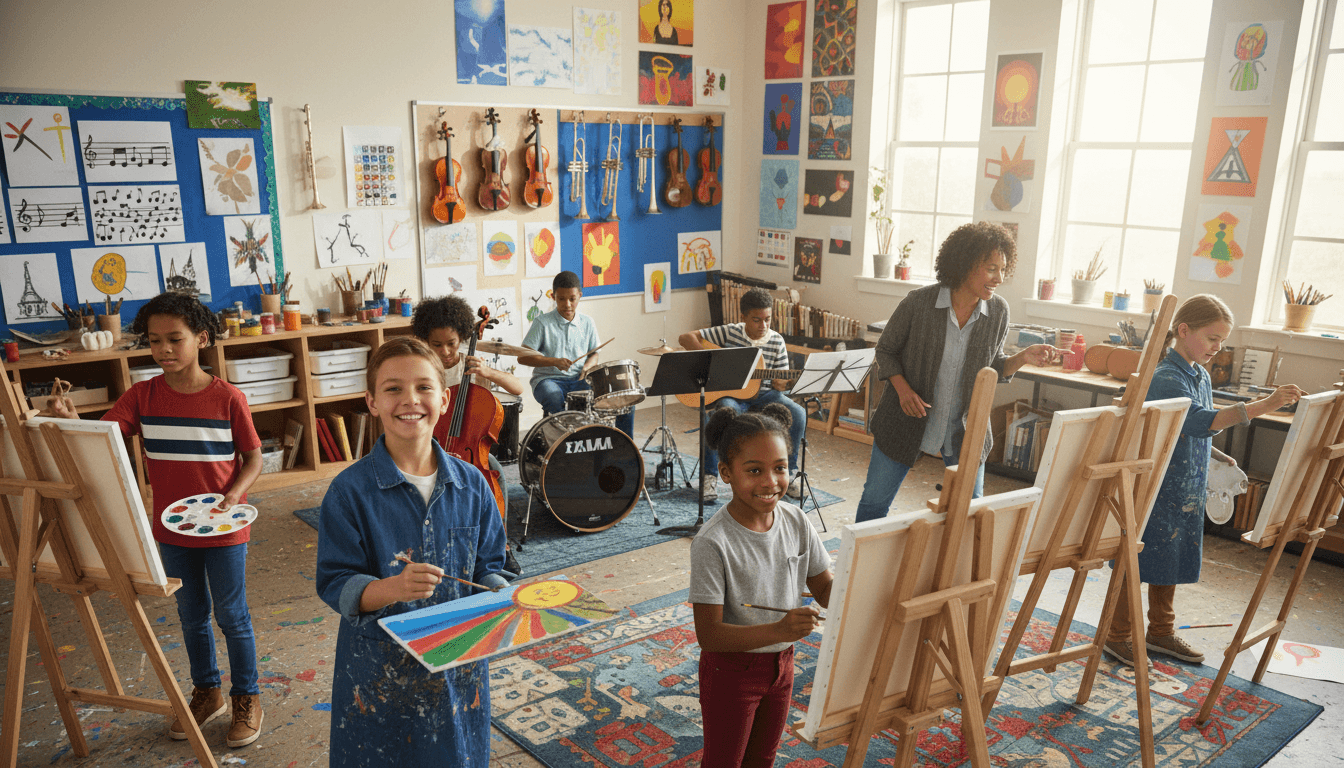
Middle School Art Teacher Newsletter Guide for Families
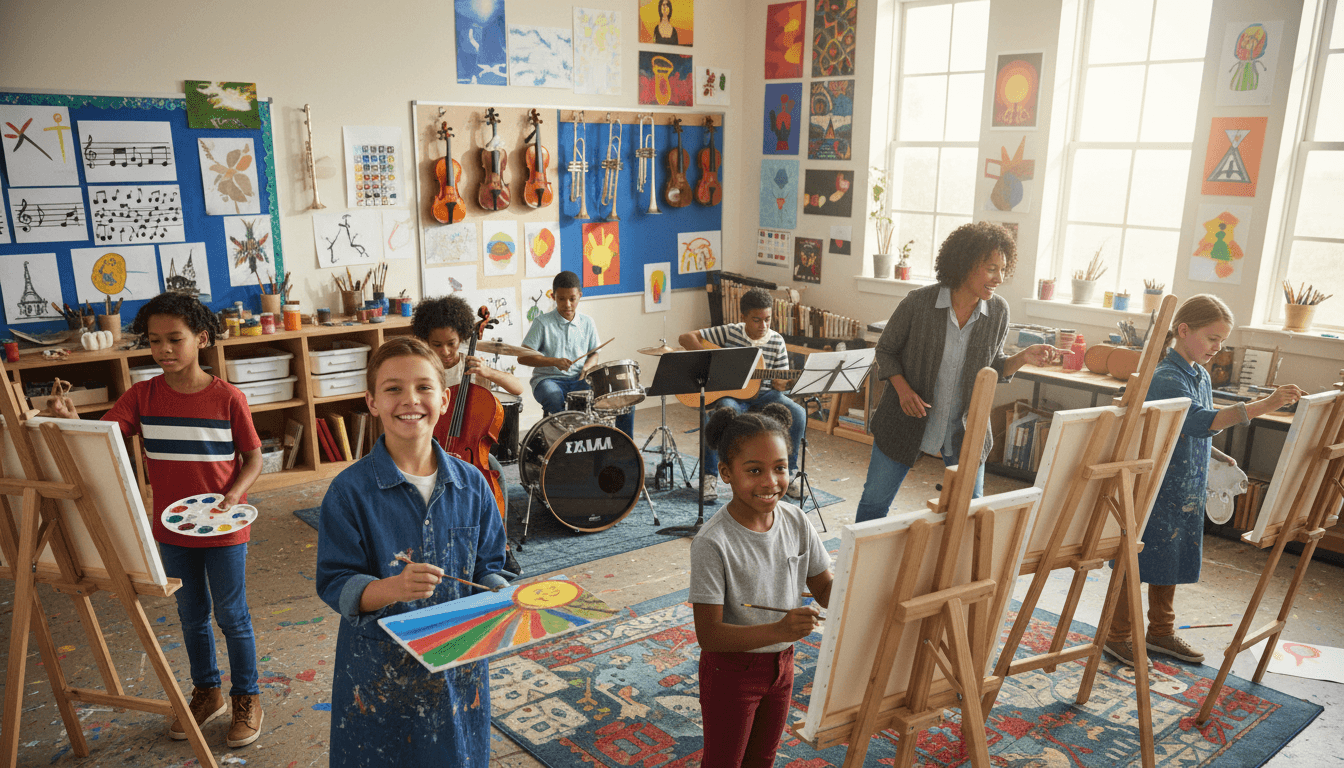
Middle school is when many students discover art as something they care about deeply, or decide they "are not art people." The teacher's communication plays a real role in that decision. A newsletter that makes the classroom feel welcoming, the work substantive, and the teacher approachable helps families support a student who is finding their creative identity during one of the most complicated periods of their development.
Describe the year's studio units
Walk families through what students will make and learn over the course of the year. Drawing fundamentals. Painting. Printmaking. Sculpture or ceramics. Mixed media. Name the projects within each unit when you know them. "In our painting unit, students will work in watercolor, acrylic, and mixed media. The unit culminates in a large-format piece the student chooses based on their own conceptual idea." That description tells families the course has both skill development and creative autonomy.
Connect skills to the bigger picture
Middle school art builds observational skills, the ability to work through failure, patience with process, and the confidence to make something and show it to others. A brief paragraph connecting these skills to outcomes that matter beyond the art room helps families see the course as more than a creative elective.
Address supplies honestly
Tell families what the course requires and what the school provides. If there are items families need to send in, list them specifically with the deadline. If donations to the classroom supply cabinet are appreciated, include a wish list. Be clear about what is required versus what is optional. Middle school families manage multiple supply requests from multiple teachers and appreciate clarity.
Preview the year's exhibitions and sharing opportunities
Name any scheduled exhibitions, shows, or displays where student work will be presented. Approximate dates help families put them on their calendar. Middle school students who know their work will have a public audience produce work with a different kind of commitment than students who are only working for a grade.
Make yourself reachable
Your email address and when you check it. Whether you are available before or after school for questions. How you prefer families to reach you if they have a concern about their child's experience in the art room. Middle school families are pulling back from daily contact but still need to know the door is open.
Get one newsletter idea every week.
Free. For teachers. No spam.
Frequently asked questions
What should a middle school art newsletter include?
The year's unit topics and the skills each unit builds, supply needs, exhibition or sharing opportunities, grading criteria, and how families can support creative development at home. Middle school families are adjusting to less direct involvement in school life, and clear newsletter content helps them stay connected.
How do you communicate the rigor of middle school art to skeptical families?
Describe the work in specific terms. 'Students will learn technical drawing skills, complete a series of still life studies, work in three different painting media, and build a hand-built ceramic vessel' is more convincing than general statements about creative expression.
How do you handle supply requests in a middle school art newsletter?
Be specific and separate required items from appreciated donations. 'Students need a sketchbook and pencil case by the first class. If you can donate any of the following items to the supply cabinet, that would benefit the whole class' sets clear expectations without demanding from families who cannot contribute.
How often should a middle school art teacher send newsletters?
At the start of each unit and before major events. A beginning-of-unit newsletter that describes what students will learn and make gives families context they can use throughout the unit. A pre-exhibition reminder generates attendance.
How does Daystage help middle school art teachers communicate with families?
Daystage lets art teachers send unit previews, exhibition invitations, and supply requests to their specific class sections without depending on the main school newsletter to carry arts information.

Adi Ackerman
Author
Adi Ackerman is a former classroom teacher and curriculum writer with 8 years in K-8 schools. She writes about school communication, parent engagement, and what actually works in real classrooms.
More for Arts & Music
Ready to send your first newsletter?
3 newsletters free. No credit card. First one ready in under 5 minutes.
Get started free