
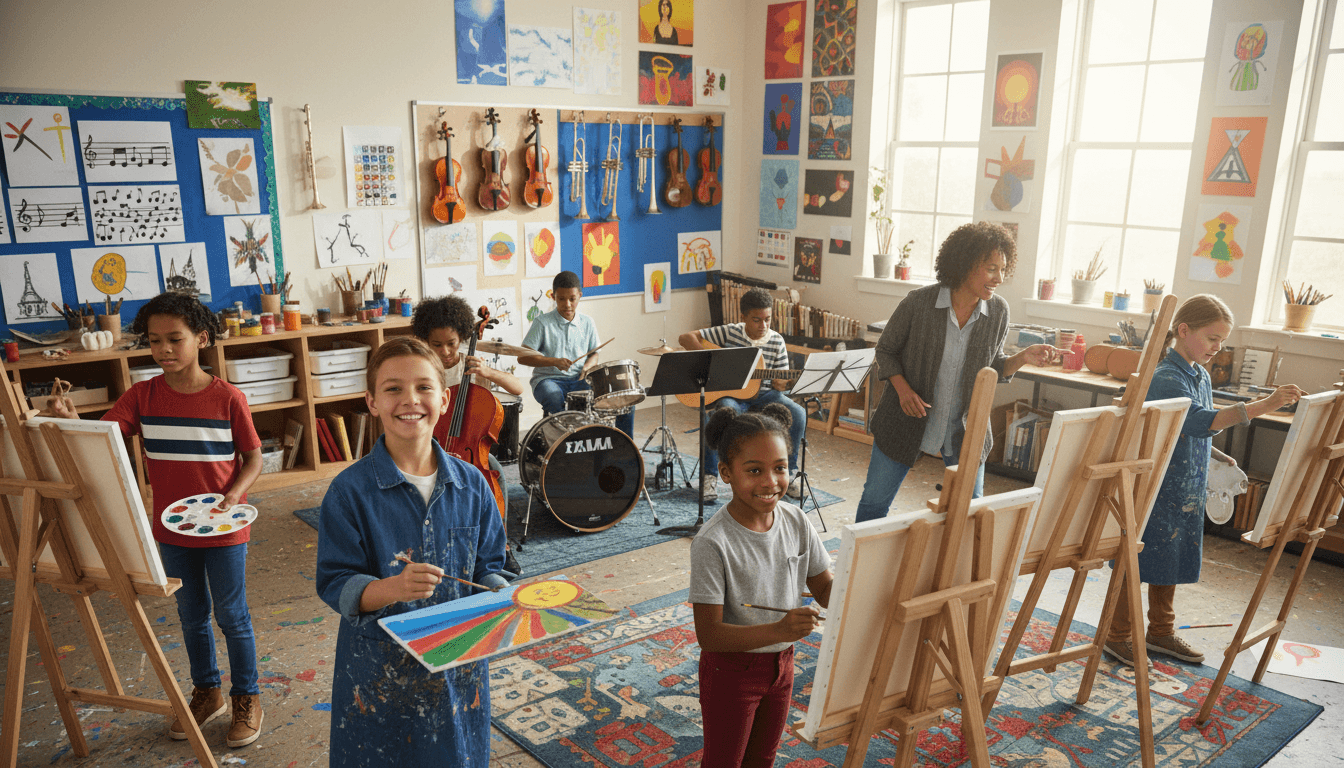
Elementary Music Class Newsletter for Parents: Weekly Updates
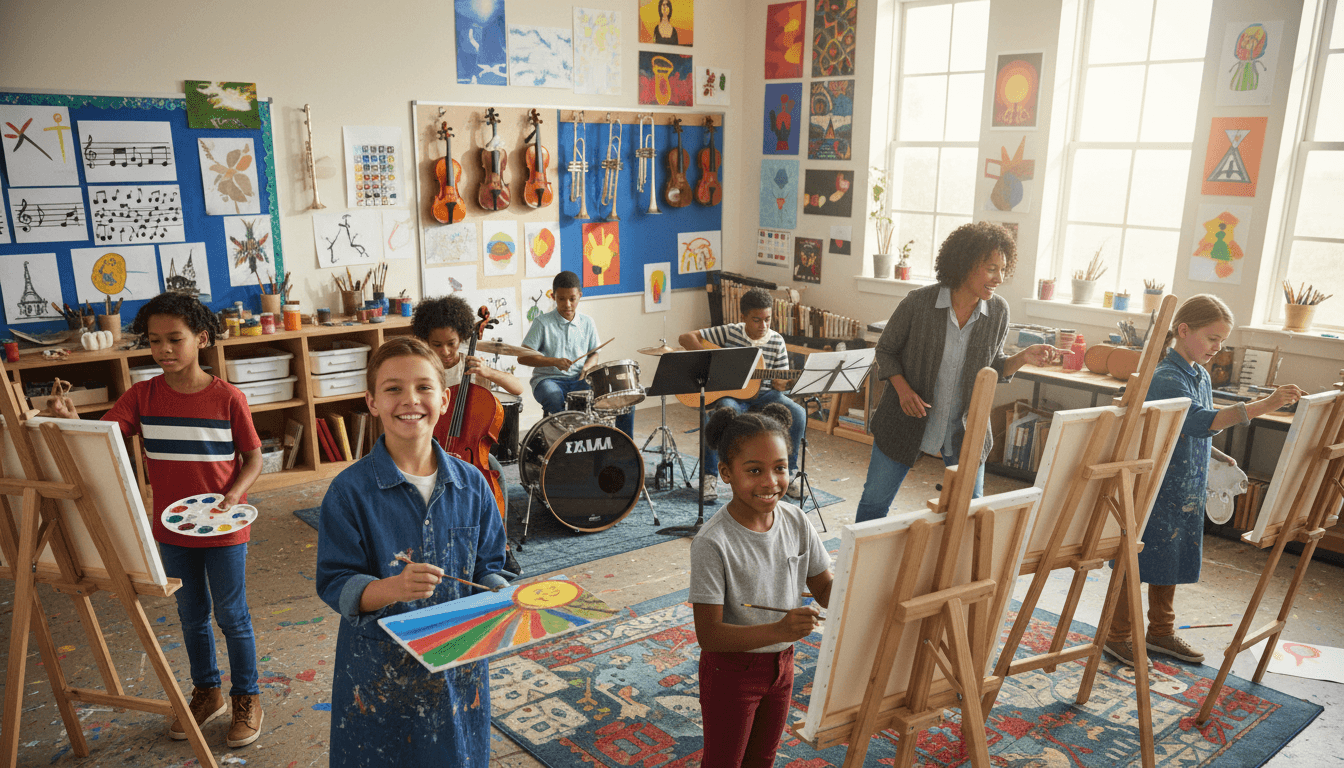
Elementary music class is one of the first arts experiences children have in school, and families often know almost nothing about what happens there. Their child comes home humming something unfamiliar and cannot explain where it came from. A monthly newsletter that names the song, describes what students are learning from it, and gives families a way to engage with the music at home turns a mystery into a shared experience.
What elementary music teaches
General music class in K-5 develops musical literacy: the ability to read, write, listen to, and produce music. It builds pitch matching, rhythmic accuracy, musical memory, and, particularly in the early grades, the foundational concepts of how music is organized.
Your newsletter should name what students are learning in terms that connect to skills families value. "Students are developing rhythmic accuracy, which means clapping or tapping a steady beat while performing a different melody at the same time. That divided attention is cognitively demanding, similar to patting your head and rubbing your stomach, but more complex. It builds coordination between different parts of the brain."
The song section
Include the title of one song students are currently learning and a brief description of it. If you can share a recording link, include it. Many elementary music songs are folk songs, traditional songs, or children's songs that families can find on YouTube in thirty seconds. "We are learning 'Old Joe Clark' this month, a traditional Appalachian fiddle tune adapted for children's voices. Here is a recording of the folk version. Ask your student to sing you what they have learned so far."
One music vocabulary term
Include one vocabulary term per newsletter, defined in plain language with an example:
- Beat: the steady pulse in music, like a heartbeat. "Find the beat in any song by tapping your foot steadily while the music plays."
- Tempo: how fast or slow the music moves. "Is the song fast or slow? That is the tempo."
- Dynamics: how loud or quiet the music is. "Music that gets gradually louder is called a crescendo."
- Melody: the main tune, the part you hum. "The melody is the part of a song you remember when the music stops."
The home activity
Include one music activity families can do at home without any materials. "Find a song on the radio or a playlist you already listen to. Ask your student to count the beats in each measure by tapping along. Most pop songs are in groups of four beats. See if your student can tell you when the beat grouping changes." Free, easy, and reinforces the lesson.
Upcoming performances
If K-5 students will perform at any point in the year, include those dates in every newsletter starting three months before. Elementary concerts are high-attendance events when families have adequate notice.
Get one newsletter idea every week.
Free. For teachers. No spam.
Frequently asked questions
How often should an elementary music teacher send newsletters to families?
Monthly is enough for most K-5 general music programs. Elementary music teachers typically see every class once a week for thirty to forty-five minutes, and a monthly newsletter that describes the current unit, one song students are learning, and any upcoming events covers the year well without requiring more writing time than the schedule allows.
What should an elementary music newsletter include?
What students are singing or playing right now with enough description that a parent can ask a real question, one music vocabulary term explained simply, upcoming events or performances, and one song or rhythm activity families can do at home. Keep the total under three hundred words. Elementary parents receive many newsletters and short ones get read completely.
How do I explain what children learn in general music class to parents who see it as a non-essential subject?
Name the skills specifically. 'Students are learning to match pitch, which means hearing a note and producing the same note with their voice. That skill requires careful listening and precise physical control. It also develops the auditory discrimination that helps students distinguish similar sounds in language, which supports reading.' One specific connection per newsletter shifts the perception.
What is the most effective home connection for an elementary music newsletter?
A song families can learn with their child. Include the words and a link to a recording or a YouTube video of the song. Families who sing with their child, even once, have a completely different relationship with music class. That shared experience is the single most powerful outcome of elementary music education.
Does Daystage work for an elementary music specialist who writes for multiple grade levels at once?
Yes. You can write one newsletter per grade level and maintain separate subscriber lists, or write one school-wide newsletter with grade-level sections. Daystage makes both approaches manageable. Most elementary music specialists using it write one newsletter with brief grade-level highlights and send it to all families at once.

Adi Ackerman
Author
Adi Ackerman is a former classroom teacher and curriculum writer with 8 years in K-8 schools. She writes about school communication, parent engagement, and what actually works in real classrooms.
More for Arts & Music
Ready to send your first newsletter?
3 newsletters free. No credit card. First one ready in under 5 minutes.
Get started free