
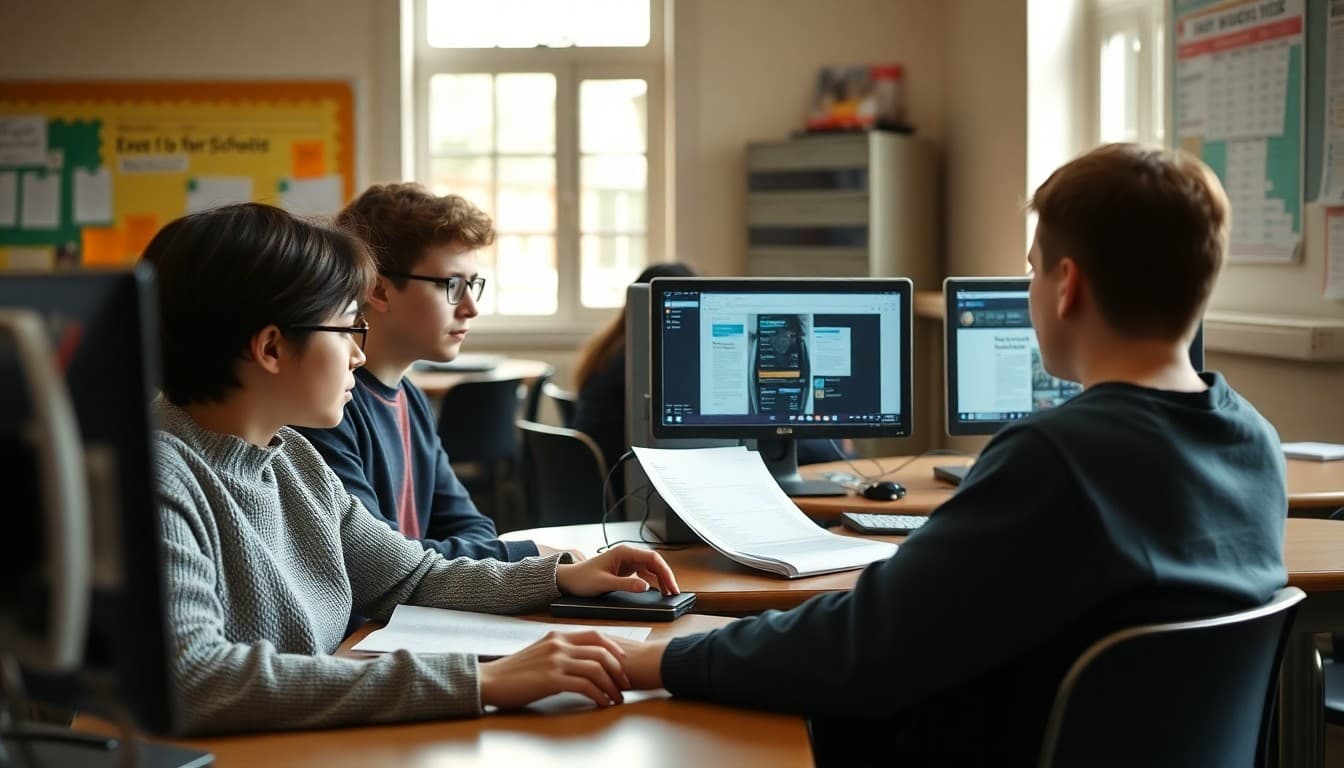
Journalism Class Newsletter: Student Publication Updates
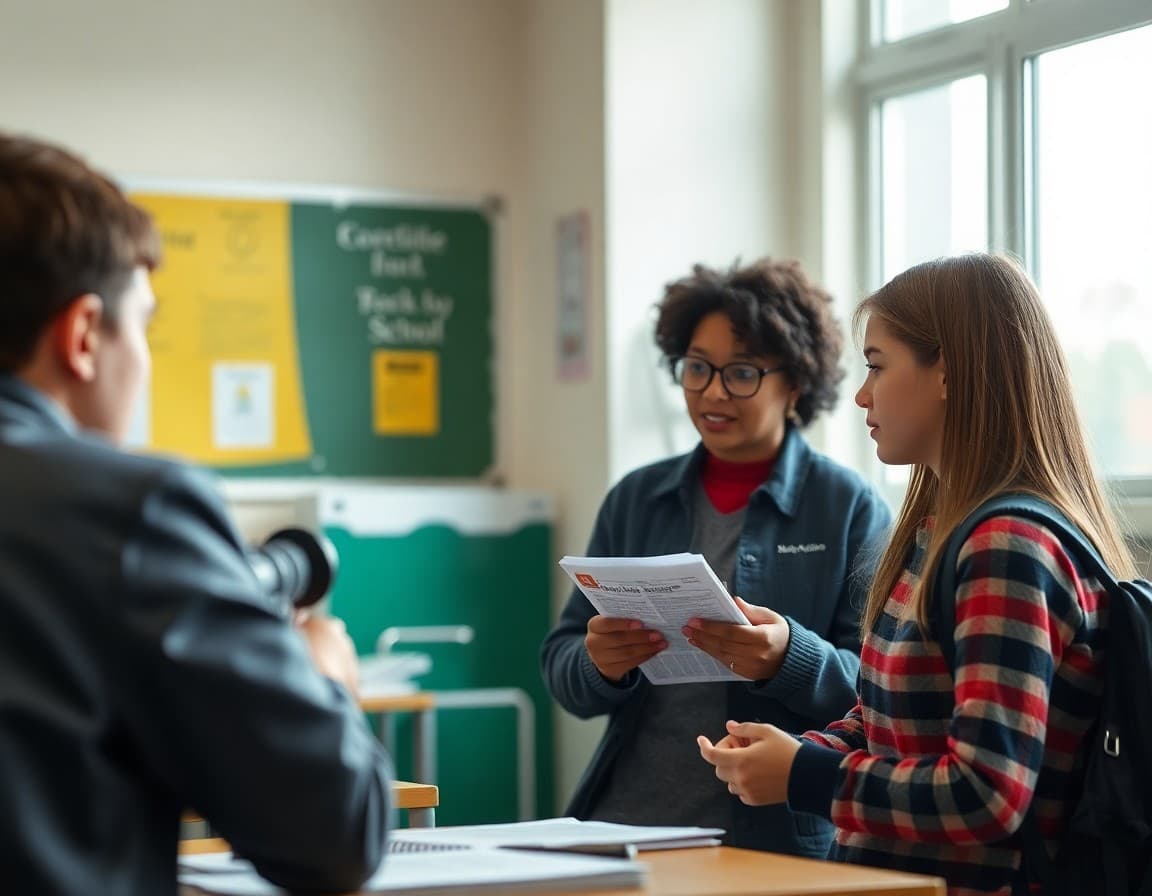
A journalism class newsletter has an obvious recursive element: you are writing a newsletter about students who write newsletters and newspapers. Use that connection. The newsletter can model the same clear, specific, audience-focused writing that you are teaching students to produce.
Announce publication releases with genuine promotion
Every time a new issue of the student newspaper or online publication comes out, the newsletter should announce it with enough context that families want to click and read it. A generic "new issue is out" does not drive readership. A specific description of the lead story and why it matters does.
"The October 28th issue of The Lincoln Press is available now at the link below. Lead story: the cafeteria renovation timeline was pushed back six months due to a contractor dispute. Our reporters interviewed three district officials and the facilities director to find out why and what it means for students who were expecting new seating and HVAC by January. The story took three weeks and seven interviews to report."
Describe what students are currently investigating
Families appreciate knowing what journalists are working on before publication. It builds anticipation and shows that student journalism involves real investigation, not just rewriting press releases.
"This month our reporters are investigating two stories: the school's new cell phone policy and whether enforcement is consistent across teachers, and the results of the state school climate survey that was administered in September but has not yet been made public. Both stories required records requests and multiple source contacts."
Explain the editorial process and fact-checking standards
Families who understand that the student newspaper goes through editing and fact-checking before publication trust it more and take it more seriously as a source of school news.
"Every story published in The Lincoln Press goes through four steps before publication: reporter draft, editor review for clarity and structure, fact-check against all sources, and final read by the faculty advisor for legal or privacy concerns. Stories that cannot be verified are not published. Stories about individuals are reviewed by the subjects when fairness requires it. We follow AP Style throughout."
Cover the journalism skills students are developing
Journalism skills transfer to nearly every career. Describe the specific skills students are building in terms that connect to post-secondary options and professional relevance.
"Students in this class are learning interviewing, which is a skill that matters in sales, research, law, management, and almost every field that requires getting information from other people. They are learning AP Style, which is the writing standard used by every news organization in the United States. They are learning how to verify a claim before publishing it, which is a skill the internet has made more critical, not less."
Sample newsletter template excerpt
Journalism class update for October:
This month marks the one-year anniversary of our school news website. In the past twelve months, student journalists at The Lincoln Press have published 47 news stories, 12 feature articles, 8 opinion columns, and 3 investigative pieces. Our site has had 4,200 unique visitors. Sixty percent of those visitors are from within the school's zip code. Our audience is real and it is local.
The fall semester's investigative project results are published in the November 11th issue. Students worked in teams of two for six weeks on three separate investigations. The stories are the strongest reporting we have done in the program's history.
Invite families to submit news tips and story ideas
The best stories often come from sources outside the newsroom. Families who know something newsworthy about the school community can be valuable news sources. A clear invitation to submit tips, with a specific way to contact the editorial staff, positions the newsletter as a two-way communication channel.
"Do you have a news tip for The Lincoln Press? Submit it to our tip line at [email]. All tips are reviewed by the editorial staff. We protect the confidentiality of our sources. If you are aware of something happening at the school that the community should know about, reach out."
Address press freedom and editorial independence directly
Families sometimes wonder why a student newspaper covers topics that might seem sensitive or critical of the school administration. A brief explanation of student press rights and why editorial independence matters builds understanding before concerns arise.
Get one newsletter idea every week.
Free. For teachers. No spam.
Frequently asked questions
What do students learn in a school journalism class?
School journalism teaches news writing in inverted pyramid structure, where the most important information appears first. Students learn interviewing techniques, including how to prepare questions, conduct recorded interviews, and transcribe accurately. They study media law covering libel, copyright, student press rights, and privacy. Editing skills including AP Style, fact-checking, and headline writing are core components. Digital journalism adds website management, social media strategy, multimedia production, and search engine optimization basics. The combination produces students who can research, verify, write, and publish under deadline pressure.
What legal rights and responsibilities do student journalists have?
Student press rights vary by state. Under the federal Hazelwood standard, schools can restrict student publication content that is not related to legitimate pedagogical concerns. Many states have passed additional student press freedom laws that give students broader editorial independence. Students should understand both their rights and their responsibilities: accurate sourcing, verification before publication, and fair representation of people covered in stories. A journalism newsletter that briefly explains the legal framework helps families understand why the student newspaper operates with some editorial independence from school administration.
How does a school newspaper differ from a yearbook in terms of what students learn?
A school newspaper is a current news publication with recurring publication deadlines, typically weekly, biweekly, or monthly, while a yearbook is an annual publication with a single final deadline. Newspaper journalism emphasizes timely reporting, news judgment, and the skills of daily journalism. Yearbook emphasizes design, photography, and documentation. Students who do both develop complementary skills. The newspaper also typically has more editorial independence and more responsibility for covering controversial or sensitive school topics than a yearbook does.
How do families engage with student journalism publications?
Families can engage with student journalism by reading the publication regularly, sharing stories they find interesting on social media, writing letters to the editor with responses to coverage, and suggesting story ideas that affect the school community. Families who are sources for stories, as community members, administrators, or subject matter experts, can agree to be interviewed. Some school newspapers welcome family feedback through surveys or reader response forms. The more families engage with the publication, the stronger the student journalists' sense that their work matters to a real audience.
How does Daystage help journalism advisors communicate with families?
Daystage lets journalism advisors send newsletters linking to recent student publication issues, highlighting featured stories, and sharing updates about the class's work. When families receive a Daystage newsletter with a link to the latest student newspaper issue alongside a brief description of the lead story and why it matters to the school community, readership increases and families develop a genuine relationship with the student publication.

Adi Ackerman
Author
Adi Ackerman is a former classroom teacher and curriculum writer with 8 years in K-8 schools. She writes about school communication, parent engagement, and what actually works in real classrooms.
More for Arts & Music
Ready to send your first newsletter?
3 newsletters free. No credit card. First one ready in under 5 minutes.
Get started free