
School Esports Newsletter: Communicating Competitive Gaming Programs to Skeptical Families
Esports is one of the school programs most likely to generate skepticism from parents who were not consulted before it launched. The concern is predictable: video games are not school. They are a distraction from studying. The school is rewarding students for doing something they would do anyway at home.
A school esports newsletter that engages those concerns head-on, rather than ignoring them or burying them in enthusiasm about gaming culture, has a real chance of turning skeptical parents into supportive ones. This guide covers how to communicate what esports programs actually look like in schools, what they develop in students, and how to handle the logistics families need to make enrollment decisions.
What a school esports program actually looks like
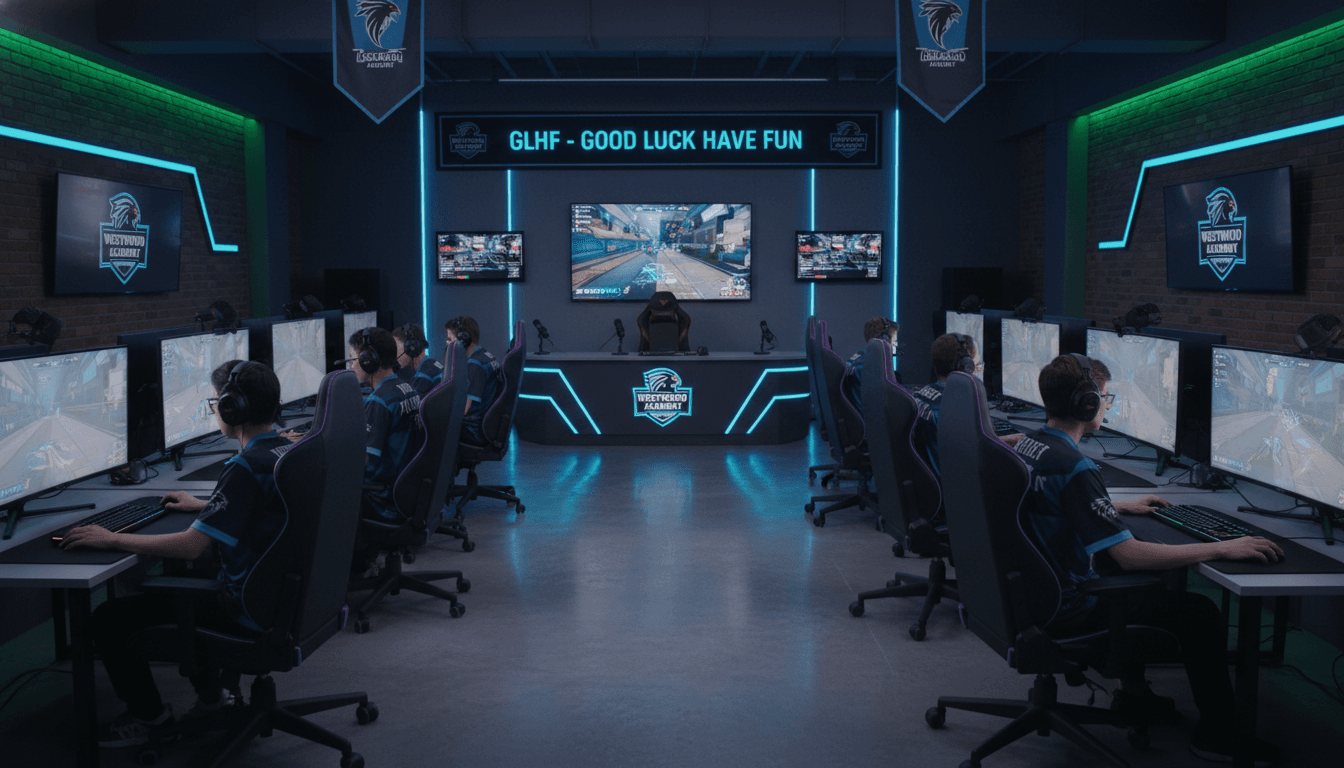
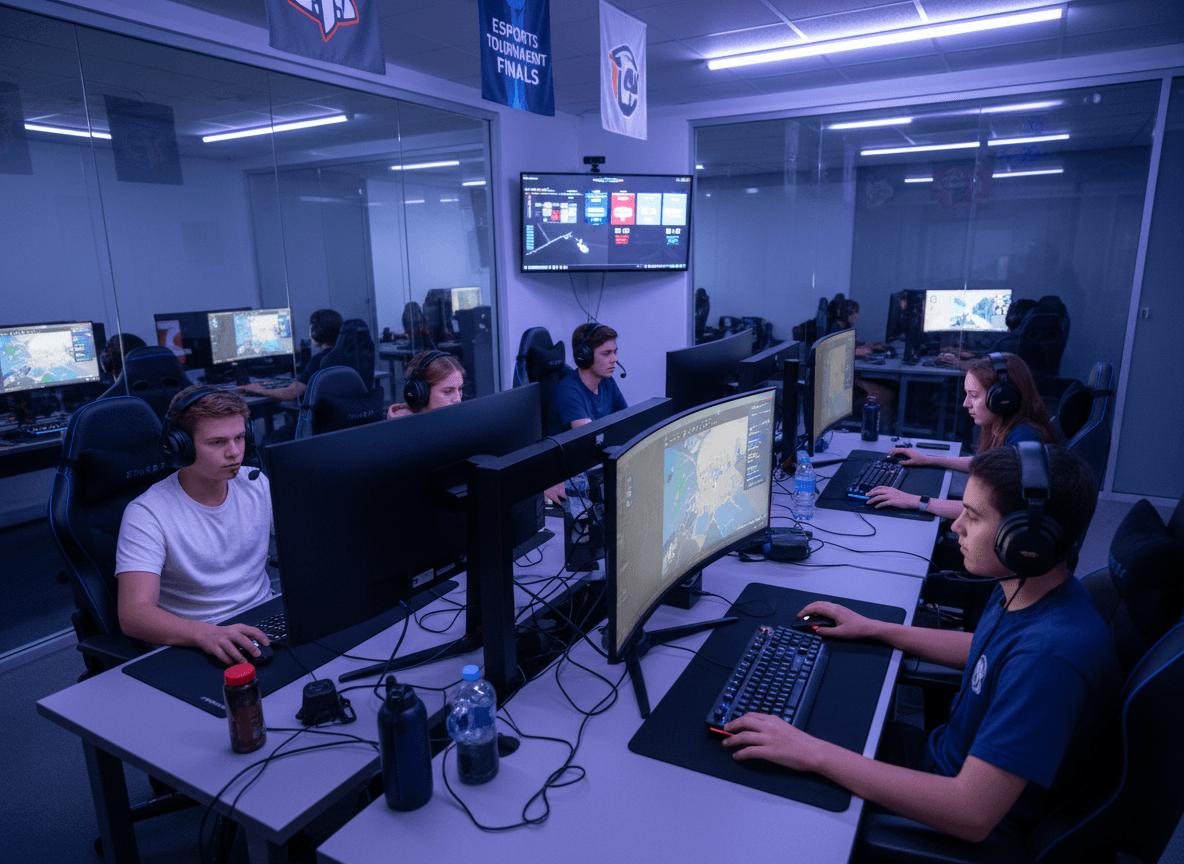
Many parents imagine unsupervised gaming. The reality of a well-run school esports program is considerably more structured than that. Describe the physical setup: dedicated gaming stations or laptops, a supervised practice space, a faculty coach or advisor, a regular practice schedule, and a competitive season with defined matches and a structure similar to any other school athletic team.
Name the games the team competes in. Many school esports programs use platforms like PlayVS for sanctioned high school competition, with titles that include Rocket League, League of Legends, Valorant (in some programs), Super Smash Bros., and Splatoon. Being specific about the titles immediately answers the question parents have about content appropriateness.
Academic integration: the part skeptics need to hear
Esports programs that operate in a vacuum, with no connection to academic learning or school requirements, deserve some skepticism. Programs that are integrated into the academic culture do not. Describe how your program connects to academics:
- GPA and academic standing requirements for participation (usually the same as other extracurriculars).
- If the program includes coursework in game design, computer science, sports analytics, or broadcasting, describe it specifically.
- Community service or mentorship components, such as students teaching younger students to code through game modification, if applicable.
The parent who hears that esports participation requires maintaining a B average and that the program includes a broadcast media component where students commentate matches is responding to a genuinely different proposition than unstructured gaming.
Career connections that are specific and realistic
Esports career communication goes wrong in two directions: overselling professional gaming as a realistic path for all participants, or underselling the genuine industry that has grown around it. Find the middle ground.
The esports industry includes game development, broadcast production, event management, sports analytics, team management, sponsorship sales, UI/UX design for gaming platforms, and coaching. Students who participate in an esports program develop exposure to all of these adjacent fields, not just competitive play. Naming specific colleges that offer esports scholarships, or that have esports programs, gives families a concrete academic connection point.
Social-emotional skills the program builds
This is where well-run esports programs make their strongest case to skeptical parents. The skills required for successful competitive gaming are skills adults recognize from their own professional lives: rapid decision-making under pressure, team communication during high-stress moments, strategic planning, graceful handling of losses, and consistent practice of fundamentals.
Name one or two moments from your program that illustrate these skills in action. A team that lost three matches in a row and developed a new strategy based on analyzing the losses is practicing the same skill set as a business team running a retrospective. That comparison lands with parents who might not otherwise make it.
Eligibility and practice schedule
Families making enrollment decisions need the operational details. Include:
- Who is eligible (grade level, GPA requirements, tryout process if there is one).
- The weekly practice schedule, including days, times, and location.
- The season timeline, including when competition begins and ends.
- Any equipment or software students need to provide versus what the school provides.
- Cost to participate, if any, including travel for in-person competitions.
Tournament communication
Esports tournaments, particularly regional and state-level competitions, require advance communication because families often want to attend or watch. Most school esports matches are streamed online, which is a unique opportunity to invite families who cannot be present in person.
Include the match schedule, the streaming platform or URL if matches are broadcast, and any in-person competition that requires travel so families can plan transportation and support accordingly. Treating esports match communication with the same structure as a school athletic event schedule signals that the program is taken seriously institutionally.
Addressing screen time concerns directly
At least a portion of your parent community will have screen time concerns about a school program that involves gaming. Acknowledge this rather than avoiding it. The context that helps: students participating in a structured, goal-oriented program under faculty supervision for two hours twice a week is a different use of screen time than unstructured gaming at home. The cognitive demands, the team accountability, and the coaching structure distinguish the activity.
Do not dismiss the concern. Offer families who want to discuss it further a specific contact, the program coordinator or coach, and an invitation to observe a practice before making a decision.
Get one newsletter idea every week.
Free. For teachers. No spam.
Frequently asked questions
When should schools communicate an esports program to families?
Send an introductory esports newsletter before enrollment opens, not after the program launches. Families who learn about a competitive gaming program after it is already running feel excluded from the decision and arrive with more skepticism than families who were informed and given the chance to ask questions during the planning phase.
What should a school esports newsletter include?
Describe the physical setup, supervision structure, faculty advisor, and the specific games the team competes in. Include the academic requirements for participation, the weekly practice schedule, what costs families should expect, and a clear career connection section that goes beyond professional gaming to name the broader esports industry roles students are exposed to.
How should schools explain esports to skeptical parents?
Address the screen time concern directly rather than avoiding it. The argument that holds up is the structure argument: two supervised hours twice a week with a coach, GPA requirements, and a competitive season is a different activity than unstructured home gaming. Naming specific colleges that offer esports scholarships gives skeptical parents a concrete academic connection point.
What are common communication challenges with school esports programs?
The two failure modes are overselling professional gaming as a realistic path for all participants and underselling the genuine career industry that has grown around it. A second common gap is treating esports match communication differently than other school sports, skipping the tournament schedule, streaming links, and travel logistics that other athletic programs communicate as standard.
Can Daystage help schools reach families who are on the fence about esports enrollment?
Schools using Daystage can send esports communications to families of eligible students specifically, rather than broadcasting to the full school. A focused newsletter that lands in the right inboxes with a clear enrollment window, practice schedule, and contact for questions is far more effective than a general announcement that families cannot act on.

Adi Ackerman
Author
Adi Ackerman is a former classroom teacher and curriculum writer with 8 years in K-8 schools. She writes about school communication, parent engagement, and what actually works in real classrooms.
More for Technology
Ready to send your first newsletter?
3 newsletters free. No credit card. First one ready in under 5 minutes.
Get started free