
Instagram and School: A Parent Newsletter Guide for Educators
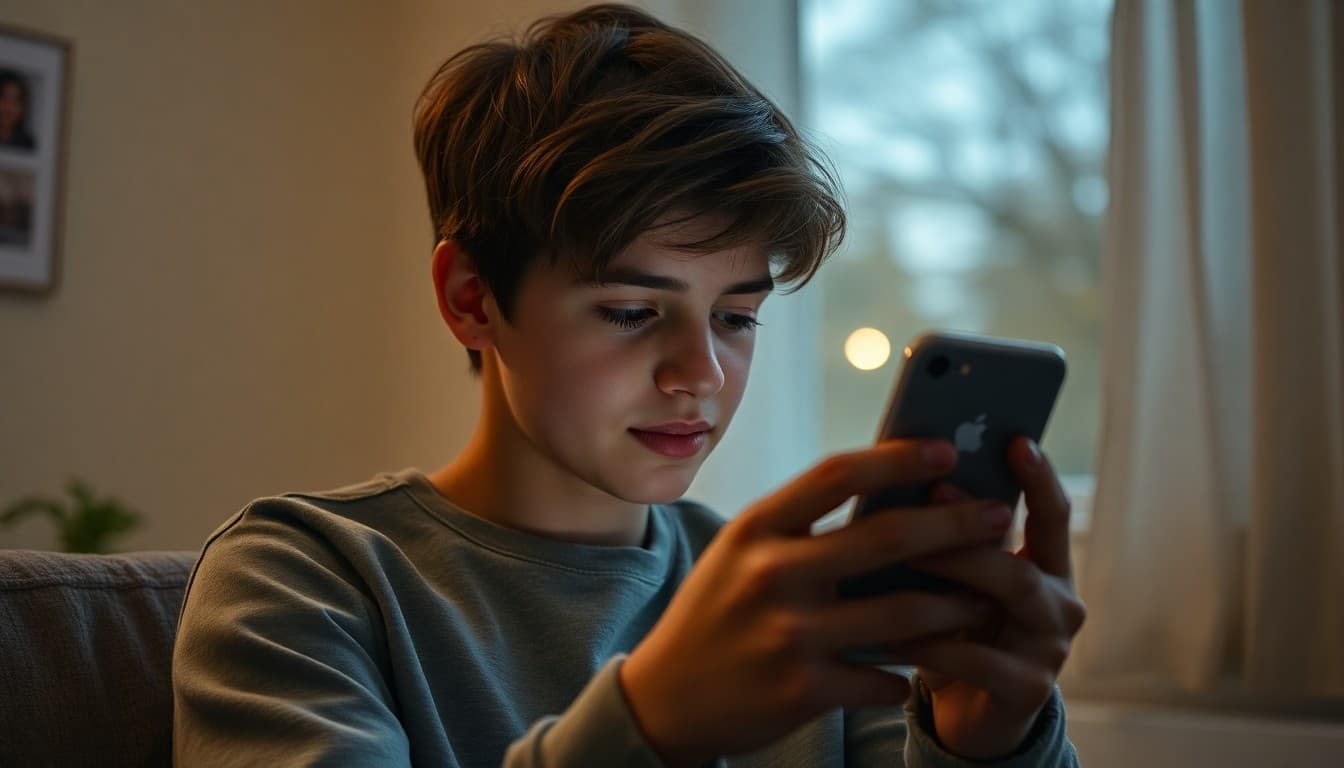
Instagram is where a significant number of your students spend hours each day. They are seeing each other's highlight reels, navigating peer dynamics in the comment sections, and processing a continuous stream of visual content that shapes how they see themselves and their social world. Schools that communicate clearly with families about Instagram are not overstepping. They are providing context that most parents genuinely need and appreciate.
Who Is on Instagram and What They Are Doing There
Instagram requires users to be 13 or older to create an account. In practice, many students younger than 13 use the platform with their parents' knowledge or without it. Among middle and high school students, Instagram use is close to universal in most communities. Students use it to follow peers and celebrities, share photos and short videos, send direct messages, watch Stories that disappear after 24 hours, and follow interest-based accounts. Understanding the range of what students do on Instagram helps families ask better questions than "what did you post today?"
The Privacy Settings Every Student Account Should Have
A public Instagram account means anyone on the internet can see what a student posts. For school-age users, a private account is the baseline recommendation. With a private account, only approved followers can see posts and Stories. Beyond that, families should review the tag and mention settings to limit who can tag the student in photos, review the account's follower list periodically to remove accounts the student does not recognize, and consider turning off the Read Receipts feature in direct messages which can create social pressure around response time. These are all adjustments families can make in the Instagram settings menu without any technical expertise. Walking through them in your newsletter gives parents a concrete to-do list.
Social Comparison and Body Image
Instagram is a visually driven platform where the most popular content tends to feature idealized versions of appearance, lifestyle, and social activity. Students who use Instagram heavily are seeing many more images of idealized bodies and social situations than previous generations ever encountered. School counselors and researchers have both noted connections between heavy Instagram use and body image dissatisfaction, social anxiety, and feelings of social exclusion. A newsletter that names this dynamic honestly but without alarm gives families the language to talk about it with their children. The goal is not to ban Instagram but to help students develop perspective on what they are seeing.
Direct Messages and Unknown Contacts
Instagram direct messages allow any account to send a message request to any other account. For students with public accounts, this means adults with no connection to the school community can initiate contact. Your newsletter should explain the difference between message requests from unknown accounts and messages from approved followers, and encourage families to review their child's message requests periodically. Students should know they can and should block and report any account that sends inappropriate or uncomfortable messages. Making this a routine conversation rather than a crisis conversation after the fact helps students feel supported before a problem arises.
Instagram and Cyberbullying
Comment sections, direct messages, and the practice of posting photos of students without their consent are all active cyberbullying vectors on Instagram. In your school, this means situations that start on Instagram on a Friday night can arrive at school on Monday morning with significant emotional residue. Your newsletter should describe what cyberbullying looks like on Instagram specifically, how to document it with screenshots before blocking or deleting, and how to report it to both Instagram and the school. Making the reporting pathway clear before students need it means more incidents get reported rather than suffering silently.
Instagram and Your School's Official Account
Many schools now use an official Instagram account to share photos from school events, student achievements, and community highlights. If your school has an official account, your newsletter is the right place to share the handle and encourage families to follow it. An official school account also gives the school community a positive, school-sanctioned Instagram presence that models thoughtful social media use. Mentioning this account in the context of a newsletter about Instagram safety connects the school's values to its own social media practice.
Conversation Starters That Actually Work
Telling teenagers to be careful on Instagram produces eye rolls. Asking specific questions opens real conversations. Try asking your student who they follow that they have never met in person and what those accounts post about. Ask if any of their posts have ever gotten fewer likes than they expected and how that felt. Ask what they would do if a classmate posted something unkind about them. These questions surface real experiences and feelings without triggering defensiveness about the device itself. A newsletter that ends with three or four of these specific prompts sends parents into the conversation better prepared than one that ends with general advice to "have a conversation about social media."
Get one newsletter idea every week.
Free. For teachers. No spam.
Frequently asked questions
What should a school newsletter say about Instagram?
Cover the age requirement (13+), the key privacy settings families should enable, the risks specific to your student age group such as cyberbullying and social comparison, and what the school does to address social media pressures in the classroom and counseling office. A newsletter that is informative rather than alarmist keeps families engaged rather than defensive.
What Instagram settings should schools recommend to parents?
Private account is the most important setting for any student user. Beyond that: turning off the option for others to tag or mention the student in photos, enabling Close Friends restrictions on Stories, disabling activity status so strangers cannot see when the student is online, and reviewing the accounts following the student regularly. These five settings together significantly reduce exposure to unknown contacts.
How does Instagram affect student mental health?
Research connects heavy Instagram use with increased body image concerns, social comparison, and symptoms of anxiety and depression, particularly in adolescent girls. The curated nature of Instagram feeds shows highlights from other people's lives without the full context, which young users often process as evidence that others are happier, more popular, or more attractive. School newsletters that name this mechanism help families have better conversations at home.
How do schools handle Instagram cyberbullying?
Cyberbullying that occurs on Instagram can affect student behavior and well-being at school even when it happens off campus. Schools typically handle cases that create a hostile environment for students at school, even if the origin was off-campus social media. Your newsletter should describe your reporting process so families know how to bring Instagram concerns to the school's attention.
How can Daystage help schools communicate about social media?
Daystage makes it easy to send a timely, well-organized newsletter whenever a social media issue surfaces that families need to know about. The Daystage newsletter format supports links to external resources, parental guidance steps, and school policy summaries all in one readable message.

Adi Ackerman
Author
Adi Ackerman is a former classroom teacher and curriculum writer with 8 years in K-8 schools. She writes about school communication, parent engagement, and what actually works in real classrooms.
More for Technology
Ready to send your first newsletter?
3 newsletters free. No credit card. First one ready in under 5 minutes.
Get started free