

Superintendent Newsletter: Protecting Instructional Time for Students
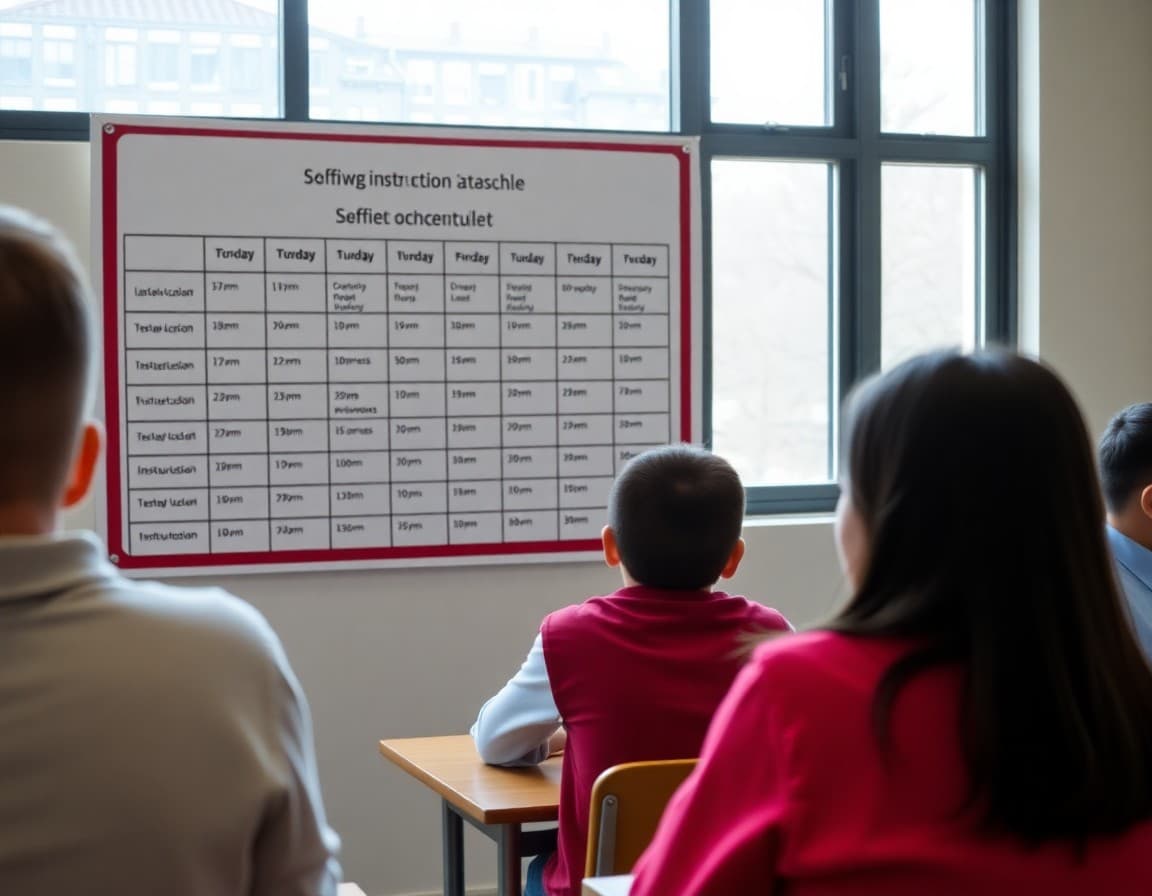
Instructional time is one of the most consistently reliable predictors of student learning. Districts that protect it systematically, that treat the school day as a resource to be managed carefully, produce stronger academic outcomes.
Communicating this commitment to families builds confidence in how the district uses the hours students are in school and gives parents context for the scheduling decisions that affect their children.
Explain what instructional time means
Start with a brief explanation that not every family will have. Instructional time is the time students spend in direct academic learning: reading instruction, math lessons, science inquiry, writing practice. It is distinct from transitions, announcements, non-academic assemblies, and other activities that consume parts of the school day.
A sentence on how many instructional minutes per day are required by state law and how the district's schedule compares is a useful reference point.
Describe how the district protects it
What specific practices does the district use to protect instructional time? Limiting intercom announcements during class periods, designating certain times for non-academic activities, setting clear expectations for field trip and event scheduling, and building schedules that frontload academic subjects in the morning are all concrete practices. Name the ones your district uses.
Address the tension between events and learning
Families love assemblies, spirit days, and school events. They also want their children learning. Acknowledge the tension honestly: the district values both, and the job is to schedule events so they enhance school culture without displacing the academic time students need. Describe how that balance is managed.
Connect instructional time to subject allocations
Tell families how the district allocates instructional time across subjects at each school level. How many minutes per day are dedicated to reading and math at the elementary level? What is the schedule structure at the secondary level? This is the kind of operational transparency that families rarely get and that builds genuine trust in the district's academic priorities.
Note what principals and teachers do
Instructional time protection is not a central office initiative alone. It requires principals who take it seriously in master scheduling and teachers who use their classroom time purposefully. Acknowledge the role both play, and note how the district supports them in making those decisions.
Sample excerpt
"This year, we committed to ensuring that every student in grades K-5 receives at least 90 minutes of reading instruction and 60 minutes of math instruction every day. To protect those blocks, we revised intercom announcement practices so that non-emergency messages are delivered only at the start and end of the day. Each principal reviewed their master schedule with instructional coaches to confirm that core blocks are scheduled in the morning. We know that the hours students spend in school are precious. We intend to treat them that way."
Daystage makes it easy to send communications like this to every family in the district at once, reinforcing the district's academic commitments consistently across all schools.
Get one newsletter idea every week.
Free. For teachers. No spam.
Frequently asked questions
Why would a superintendent send a newsletter specifically about instructional time?
When a district has made changes to how the school day is structured, when state or local concerns about instructional minutes have been raised, or when a new initiative is taking place during the school day, families deserve to understand how learning time is being protected. It signals that the superintendent monitors this closely.
What is a reasonable amount of daily instructional time at the elementary level?
Most states require between 300 and 360 minutes of instruction per day at the elementary level. The quality of those minutes matters as much as the quantity. A newsletter on instructional time should address both: how many minutes are dedicated to core subjects and how the district monitors whether that time is being used effectively.
How do you communicate about reducing non-instructional interruptions without criticizing teachers?
Frame it as an organizational commitment rather than an individual performance issue. The district is designing schedules, setting expectations, and providing support that makes it easier for teachers to protect instructional time. This is a systems-level commitment, not a judgment on any classroom.
Should an instructional minutes newsletter include information on how the district monitors compliance?
Yes. Briefly describing how principals monitor instructional time use, whether through walk-throughs, scheduling audits, or teacher planning reviews, adds credibility. It tells families the commitment is real and that there is an accountability mechanism behind it.
How does Daystage help superintendents build a consistent academic message across all district families?
Daystage delivers a formatted newsletter directly to every family inbox, ensuring that academic priority messages reach all families at once, with consistent framing across all schools. When the district is making a specific commitment to instructional time, every family hearing it simultaneously reinforces the district's unified direction.

Adi Ackerman
Author
Adi Ackerman is a former classroom teacher and curriculum writer with 8 years in K-8 schools. She writes about school communication, parent engagement, and what actually works in real classrooms.
More for Superintendent
Ready to send your first newsletter?
3 newsletters free. No credit card. First one ready in under 5 minutes.
Get started free