

Superintendent Newsletter: Next Year Academic Calendar Update
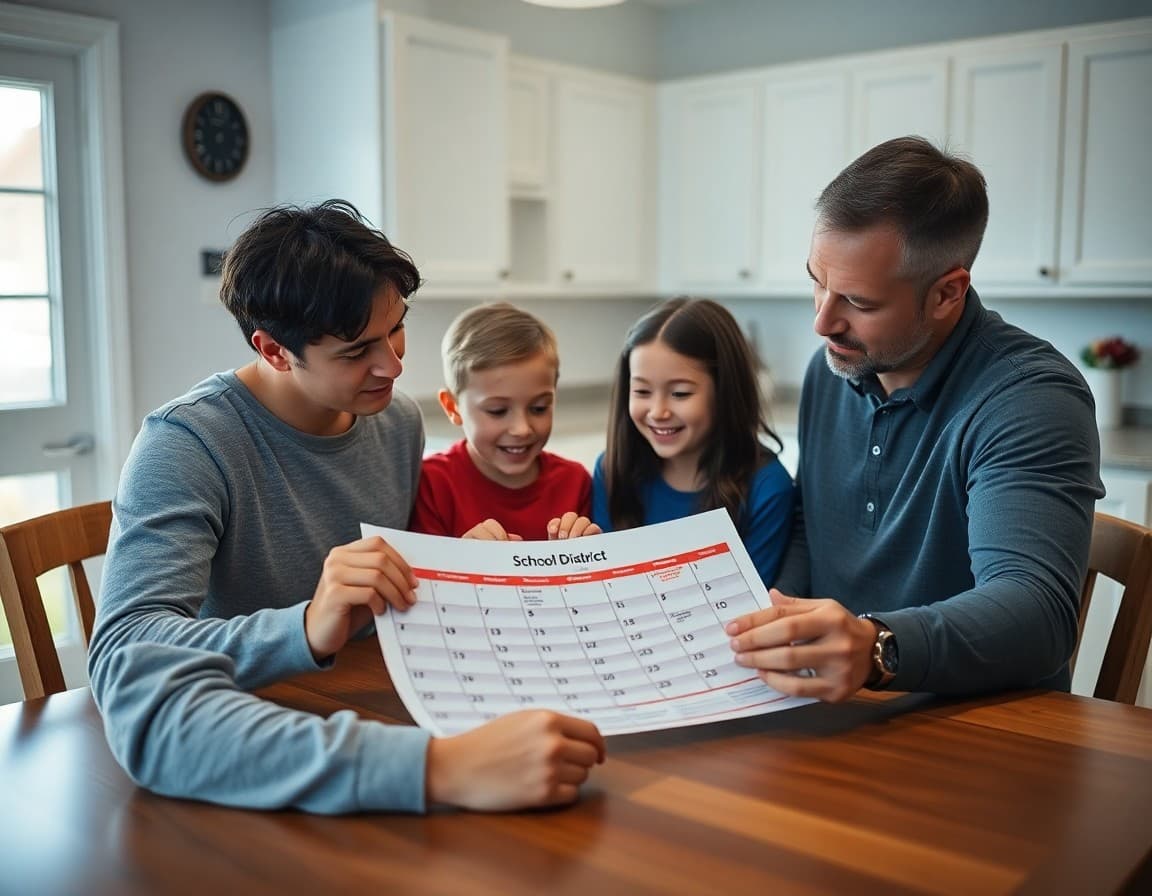
The academic calendar is one of the most practically important communications a superintendent sends all year. Families use it to plan childcare, vacations, extracurricular schedules, and work coverage. Getting this information to them early and clearly is a simple but meaningful act of respect for their time.
A calendar newsletter should not just transmit dates. It should explain the decisions behind the calendar and give families the context they need to understand why the year is structured the way it is.
Lead with the most critical dates
Open with the first day of school, the last day, and any major breaks or holidays. These are the dates families will look for first. After that, move to professional development days when students are not in school, because these are the ones that require the most advance planning for working parents.
Highlight changes from last year
Families who return to school every year develop expectations based on the prior calendar. If the school year starts a week later, winter break is two days shorter, or spring break falls in a different week, say so explicitly and early. Do not make families compare two calendars side by side to find the differences.
Explain the decisions that were contested
Calendar decisions often involve tradeoffs: instructional minutes versus family travel preferences, professional development days versus more student days, winter break length versus spring break. When a tradeoff was made, name it and explain the reasoning. Families who understand why a decision was made are far less likely to view it as arbitrary or indifferent to their needs.
Describe how the calendar was developed
Briefly noting that the calendar was developed with input from the family advisory council, aligned with state instructional hour requirements, and negotiated as part of the teacher contract gives families confidence that the process was deliberate rather than administrative.
Provide the calendar in multiple formats
Within the newsletter, list the key dates clearly. In the same communication, offer a link to the full calendar PDF and, if your district website has a digital calendar, link to that as well. Families have different preferences; meeting them where they are makes the information more usable.
Sample excerpt
"The 2026-27 academic calendar has been approved by the board. School begins on September 2 and the last day for students is June 10. Three things are different from this year: professional development days are on Fridays this year rather than Mondays, winter break runs December 20 through January 4 (one day shorter than last year due to state instructional minute requirements), and spring break is the week of March 30. All key dates are listed below and available as a downloadable PDF on the district website. Print it now and put it on the refrigerator."
Daystage makes it easy to send this calendar communication to every family at once, formatted cleanly with dates, links, and a downloadable attachment, all in a single email that families actually open.
Get one newsletter idea every week.
Free. For teachers. No spam.
Frequently asked questions
When should a superintendent send the academic calendar newsletter?
Send it as soon as the board adopts the calendar, ideally by February or March for the following school year. Families who receive calendar information early can plan childcare, vacations, and work schedules. Late calendar communication is one of the most avoidable frustrations districts create for families.
What information should the academic calendar newsletter include?
The first and last day of school, all student holidays and breaks, professional development days when students are not in session, district event dates, and any changes from the prior year. Highlight changes prominently so families who glance at the newsletter know what is different without reading every line.
How do you handle parent complaints about calendar decisions like a shorter winter break?
Address the tradeoff directly in the newsletter. If winter break is shorter because the district needs to meet state instructional minutes, say so. Families are less frustrated by constrained decisions than by decisions that appear arbitrary. Explaining the constraint is not the same as apologizing for the decision.
Should the calendar newsletter explain how the academic calendar was developed?
A brief description adds credibility without taking much space. Noting that the calendar was developed with input from the family advisory council, negotiated with the teachers union, and aligned with state instructional minute requirements explains a process that many families assume happens behind closed doors.
How can Daystage help distribute the academic calendar to all district families?
Daystage delivers the calendar newsletter directly to every family inbox with no portal login required. You can format the key dates clearly within the newsletter itself, attach a downloadable PDF version, and link to the district website. One send reaches all schools consistently.

Adi Ackerman
Author
Adi Ackerman is a former classroom teacher and curriculum writer with 8 years in K-8 schools. She writes about school communication, parent engagement, and what actually works in real classrooms.
More for Superintendent
Ready to send your first newsletter?
3 newsletters free. No credit card. First one ready in under 5 minutes.
Get started free