

Superintendent Newsletter: COVID Academic Impact Data and Our Response
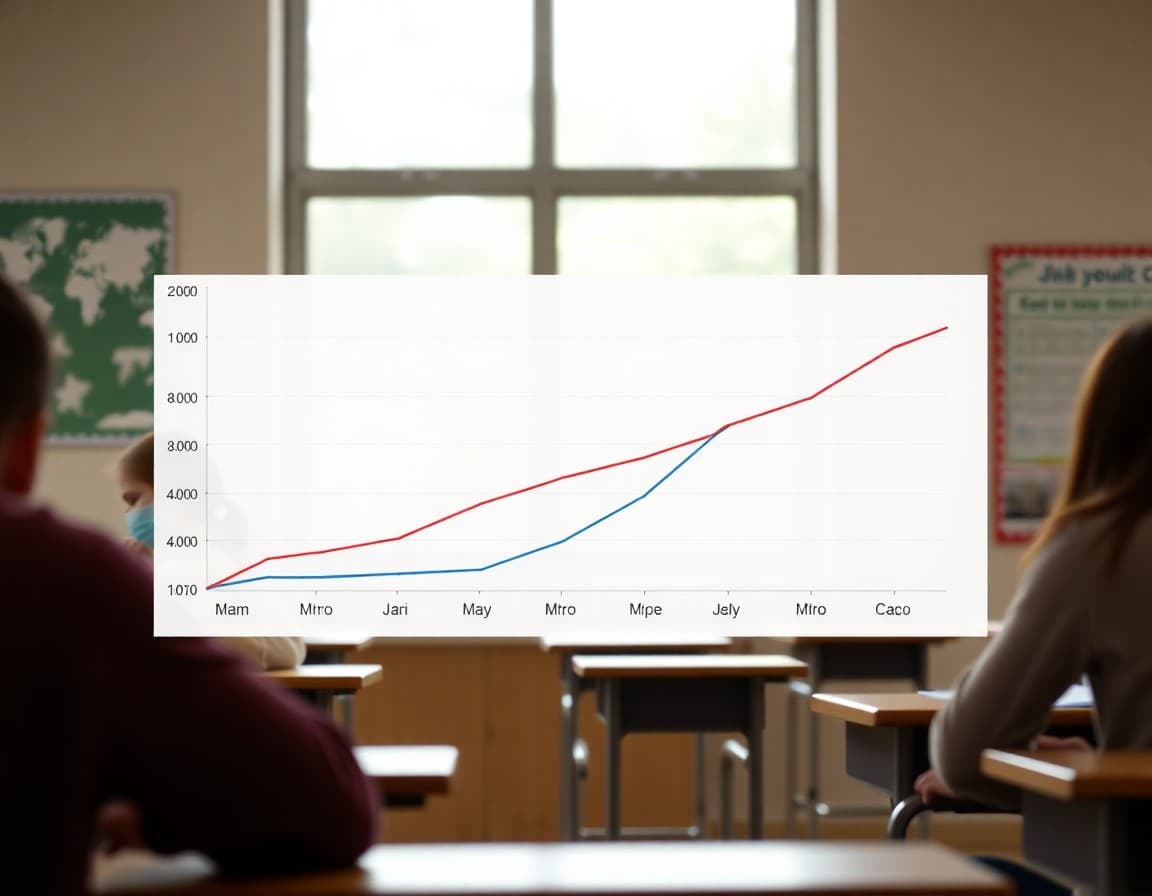
The academic impact of the pandemic was real, significant, and not yet fully addressed in most school districts. Families deserve honest communication about where their district stands in the recovery, what the data shows about which students are still catching up, and what the district is doing about it.
A superintendent who communicates this clearly and honestly earns the community's trust and its support for the recovery investments that are still needed.
Present the honest trajectory
Show families the three-year arc: where the district was in 2019 before the pandemic, where it fell during and immediately after, and where it is today. This trajectory is the core story. Some districts have made significant recovery. Others are still well below pre-pandemic benchmarks. Wherever your district is, name it honestly.
Disaggregate the impact by student group
The pandemic did not affect all students equally. Students from low-income families, students with disabilities, English learners, and students in high-poverty schools experienced greater and longer-lasting disruptions. Show the disaggregated recovery data. Families who see their student group named in the data can better understand whether the district's recovery resources are reaching the students who need them most.
Name the recovery investments
What specifically has the district done to accelerate academic recovery? Expanded tutoring programs, high-dosage intervention, extended learning time, summer school, additional mental health support? If ESSER or other federal pandemic recovery funds were used, say so and describe what they funded. Families who see the investment are more patient with the pace of recovery.
Report the results of those investments
What has the recovery work produced? If tutoring programs served a certain number of students and showed specific proficiency gains, share that data. If recovery has been faster in some schools or subjects than others, note it. An honest accounting of what recovery investments have and have not produced is more credible than unqualified claims of progress.
Describe what is still needed
The recovery work is ongoing. For the students who are still furthest from pre-pandemic benchmarks, what does the district plan to do in the coming year? What does the funding picture look like as ESSER funds run out? These are honest questions that families are asking, and addressing them proactively is more valuable than avoiding them.
Sample excerpt
"Before the pandemic, 62% of our students in grades 3-8 were meeting grade-level standards in math. During the 2021-22 school year, that rate dropped to 47%. Today it is at 56%, a meaningful recovery but still below where we need to be. Our tutoring program has served over 1,200 students since 2022, and students who completed the program recovered an average of 1.4 grade-level equivalents in math within one year. The students furthest from recovery are concentrated in three schools, and those schools are receiving priority in our remaining ESSER fund deployment this year. We expect ESSER funds to run out at the end of the 2025-26 school year, and we are building sustainability plans for each program now."
Daystage delivers this recovery update to every family inbox in the district, ensuring that the families whose children most need these programs hear about them directly.
Get one newsletter idea every week.
Free. For teachers. No spam.
Frequently asked questions
How should a superintendent communicate about pandemic learning loss without stigmatizing affected students?
Frame the impact as a systemic disruption that affected all students to varying degrees, not as a failure of individual students or families. The loss was caused by an external crisis, not by deficiencies in students. The response must be systemic: well-resourced recovery programs, not deficit framing about students.
What data should a COVID academic impact newsletter include?
Pre-pandemic baseline data, current proficiency rates, and any measurable recovery gains. Show which student groups experienced the greatest impact. Name what the data shows about recovery trajectory. Families who see an honest picture of where their district is in the recovery story can be genuine partners in the work.
Is it too late to be communicating about COVID academic impact in 2026?
No. Recovery from pandemic disruptions is still ongoing in many districts, particularly for the students who experienced the greatest setbacks. As long as the district is actively investing in recovery programs, communicating about the impact and the response is appropriate and informative.
How do you communicate about federal pandemic relief funds being spent on academic recovery?
Name the funding source, the dollar amount, and exactly what it was spent on. ESSER funds were intended for recovery purposes. Families who understand how relief money was allocated are better positioned to assess whether the district used it well.
How can Daystage support ongoing pandemic recovery communication?
Daystage makes it easy to send regular recovery progress updates to all family inboxes without requiring a portal login. For a multi-year recovery effort, consistent and accessible communication keeps families informed and engaged throughout the process.

Adi Ackerman
Author
Adi Ackerman is a former classroom teacher and curriculum writer with 8 years in K-8 schools. She writes about school communication, parent engagement, and what actually works in real classrooms.
More for Superintendent
Ready to send your first newsletter?
3 newsletters free. No credit card. First one ready in under 5 minutes.
Get started free