

Superintendent Newsletter: Student Success Data and What It Means
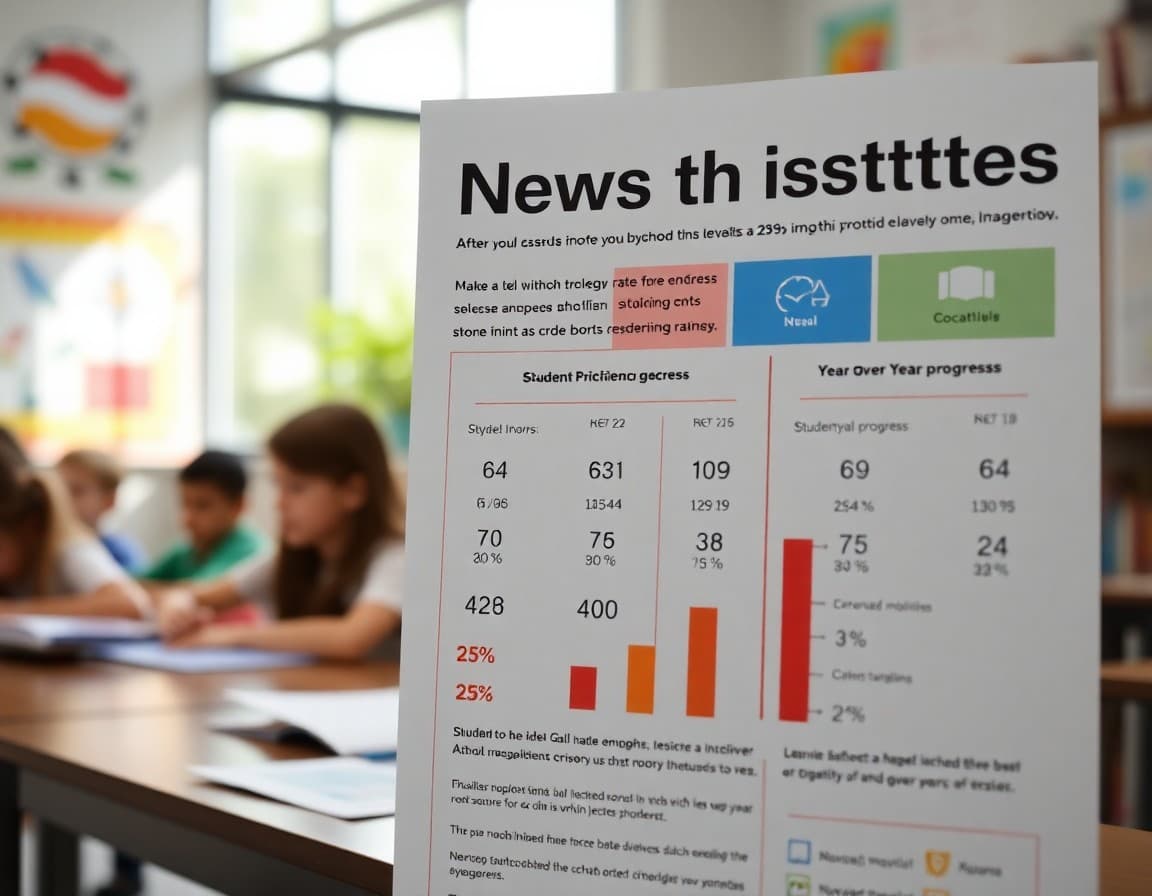
Student success data is public information. The question for every superintendent is whether families hear the story from you first, with context, or find it somewhere else without it.
A data newsletter that families actually read requires clarity over comprehensiveness, honesty over promotion, and context over raw numbers. Getting that balance right is what separates a communication that builds trust from one that generates cynicism.
Choose the metrics that tell the real story
Before writing, decide which two or three metrics best represent how students are doing across the district. Proficiency rates in reading and math are the ones most families understand. Graduation rates matter for secondary-focused communities. Chronic absenteeism rates have become an important indicator of student connection and are increasingly understood by families who followed post-pandemic coverage.
Do not include every available metric. A newsletter that surfaces ten data points loses the reader after the third. Curate deliberately and explain your reasoning briefly.
Explain what the data means before presenting the number
"62% of our students are meeting grade-level benchmarks in math" lands differently depending on context. Is that above or below where it was last year? How does it compare to the state average? What does "grade-level benchmark" mean in practical terms?
One or two sentences of context before each data point prevents misreadings and makes the newsletter genuinely informative rather than just informational.
Report gains and gaps with equal honesty
Show improvement where it exists. Name gaps where they persist. A newsletter that only reports positive results fails the families of students who are not being served well. A newsletter that leads with gaps without noting progress fails the teachers and students who did the work.
Both truths belong in the same communication. Superintendents who deliver both earn far more credibility than those who release data selectively.
Connect data to decisions already made
Data without action is frustrating to read. Every data point you share should connect to something the district is already doing or planning. If third-grade reading proficiency is below target, name the intervention program that is being expanded. If chronic absenteeism is elevated in a specific school, describe the outreach initiative that began last fall.
This connection transforms a report on conditions into evidence of responsive leadership.
Acknowledge what you do not yet know
Annual assessment data tells you how students performed on a given assessment on a given day. It does not tell you everything about how students are learning or what families are experiencing. Acknowledging the limits of any single data set builds credibility. Families who know you understand those limits will trust your interpretation of the data more.
Sample excerpt
"This year, 58% of our students in grades 3 through 8 met grade-level standards in English language arts on the state assessment, up from 51% last year. In math, 49% met grade-level standards, up from 44%. Both gains are meaningful. Neither is where we need to be. Our target is 70% proficiency in both subjects by 2028. The gap between where we are and where we need to be is largest in our middle schools, and we are addressing that directly with a new math coaching model launching this September at all five middle school campuses."
Daystage makes it easy to send this kind of data communication to every family in the district in a format they will actually read and engage with.
Get one newsletter idea every week.
Free. For teachers. No spam.
Frequently asked questions
How often should a superintendent share student success data with families?
At minimum twice a year: once in the fall when prior-year state assessment results are released, and once mid-year when internal progress monitoring data shows how students are tracking. Districts that share data quarterly build the strongest culture of shared accountability with families.
What is the best way to present data that includes both good news and areas of concern?
Present both honestly in the same communication. Lead with genuine progress, then address areas that need more work. Families who feel they are getting the complete picture will engage far more constructively than families who sense the district is cherry-picking results.
How detailed should a student success data newsletter be?
As detailed as it needs to be to answer the question families most want answered: is my district doing right by students? For most audiences, three to five key metrics with brief explanations is the right level. Link to the full report for readers who want more.
How do you handle data that shows persistent achievement gaps?
Name the gap clearly and describe what specific interventions are in place. Vague statements about commitment to equity do not satisfy families who know the gap exists and want to see a credible plan. Specific program names, grade levels targeted, and measurable goals are far more reassuring than general language.
What tool helps superintendents communicate complex data to families effectively?
Daystage lets you build a visually clear newsletter with data highlights, formatted for family inboxes rather than board presentations. The inline delivery means families see the newsletter in their email without needing to download anything or log into a portal, which dramatically increases the number who actually read it.

Adi Ackerman
Author
Adi Ackerman is a former classroom teacher and curriculum writer with 8 years in K-8 schools. She writes about school communication, parent engagement, and what actually works in real classrooms.
More for Superintendent
Ready to send your first newsletter?
3 newsletters free. No credit card. First one ready in under 5 minutes.
Get started free