
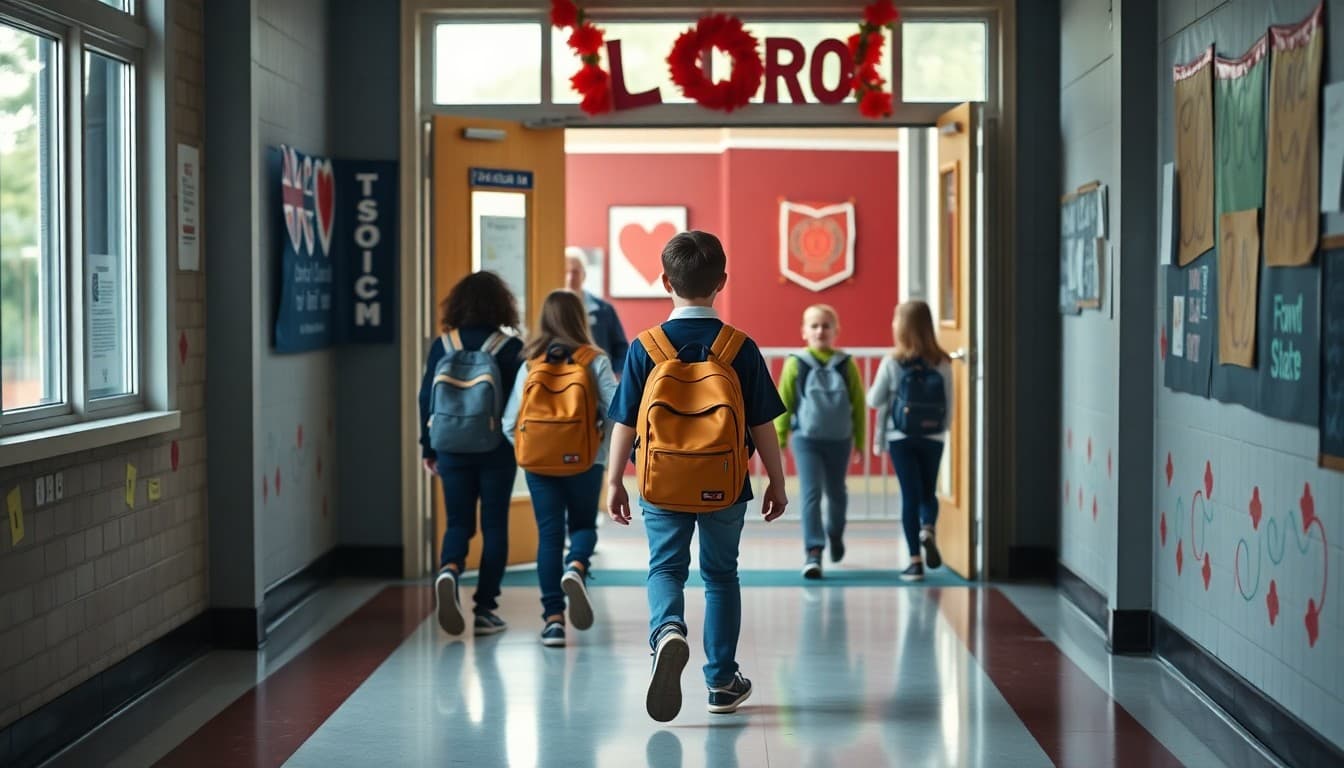
Superintendent Newsletter: Welcome to the New School Year
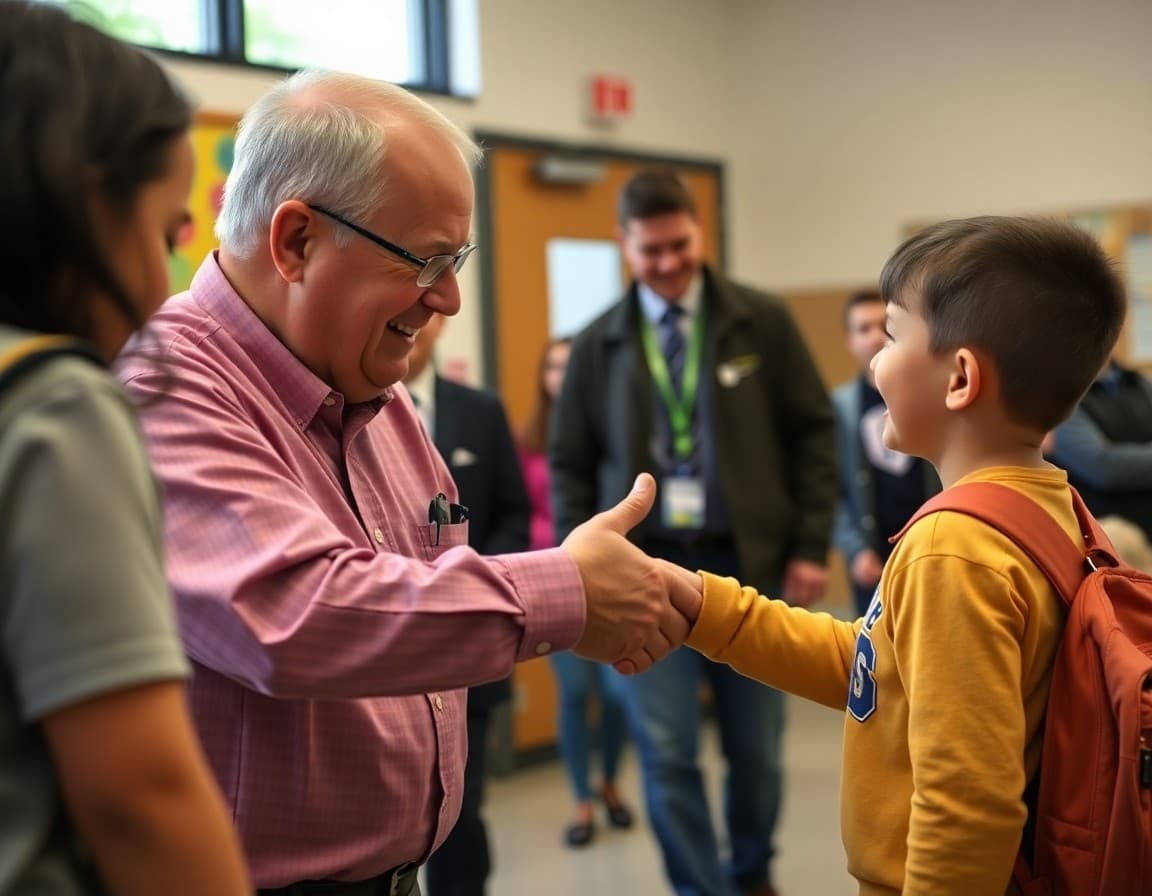
The fall welcome newsletter is the superintendent's first impression of the year for families who have not been following district communications all summer. It sets a tone. It signals whether the district communicates with warmth or bureaucracy, with clarity or vagueness, with the family in mind or with itself in mind.
Getting the fall welcome right is worth the care it takes.
Open with a genuine welcome, not a formal greeting
The first sentence should feel like a person wrote it, not a communications office. Name something real about this community, this year, or this moment. Acknowledge what families are about to experience: a new teacher, a new grade, a new building, the particular anticipation of a new school year. The opening paragraph is where tone is made or lost.
Name one or two priorities for the year, simply
Not the full strategic plan. Not five goal areas with subgoals. One or two things the district is most focused on this year, stated plainly enough that a parent can remember them and explain them to a neighbor. Every child reading at grade level by third grade. Ninth-grade success as the foundation of high school graduation. These statements, said clearly, orient the whole community toward the same direction.
Give families what they need for the first week
First day date and what time school starts. Where families find supply lists. How transportation information will be distributed. Who to call with questions about their child's specific school. The fall welcome newsletter is often the first touchpoint; use it to connect families to the immediate logistics they need, with links or contact information rather than trying to include everything inline.
Acknowledge new staff and any significant changes
If there are new principals, significant curriculum changes, new programs launching, or other changes that families will notice in the first weeks, name them briefly. Families who are prepared for change experience it as a district communicating well. Families who encounter unexpected change feel unmoored.
Invite family engagement
Close the welcome by naming one specific way families can get involved in the school community: an upcoming back-to-school night, a volunteer sign-up link, a community event in the first month of school. An invitation at the end of a welcome newsletter is far more likely to produce engagement than a generic "we value your involvement" statement.
Sample excerpt
"Welcome to the 2026-27 school year. Our district begins Thursday, August 28, and our schools are ready. This year, our shared focus is one thing: every student reading at or above grade level by the end of third grade. Everything we are doing this year in our elementary schools connects to that goal. New families: you can find your child's bus route at ourdistrict.org/transportation and supply lists at ourdistrict.org/supplies. Every school has a back-to-school night in the first two weeks; check your school's calendar for the date. We are glad your child is here."
Daystage delivers this welcome to every family inbox in the district before or on the first day of school, ensuring every family starts the year connected to the district's voice and vision.
Get one newsletter idea every week.
Free. For teachers. No spam.
Frequently asked questions
What should a fall welcome newsletter include?
A genuine welcome that sets a positive tone, one or two priorities for the year stated plainly, key dates and logistics families need immediately (first day, supplies, bus routes), and an invitation to engage with the school community. The fall welcome should feel like a welcome, not an administrative memo.
How do you make a fall welcome newsletter feel personal rather than generic?
Name something specific about the district, the community, or the year ahead that is real and particular to this place and this moment. Reference something from last year that the community is proud of and building on. Generic welcomes feel like they could have been sent by any superintendent; specific ones feel like they came from yours.
How much information is too much in a fall welcome newsletter?
The fall welcome is an orientation, not an orientation handbook. It should cover the most important priorities, the most time-sensitive logistics, and enough warmth to set the tone. Link to the school calendar, supply lists, and bus routes rather than including them in full. The welcome itself should take under 5 minutes to read.
Should a fall welcome newsletter address any challenges from the prior year?
If there were significant challenges that the community experienced, a brief acknowledgment that the district heard the concern and is working on it builds more trust than a relentlessly positive welcome that ignores what families already know. A single honest sentence is worth more than a newsletter that rings false.
How does Daystage support fall welcome communication to all district families?
Daystage delivers the fall welcome newsletter to every family inbox on or before the first day of school, ensuring that the year starts with a clear, warm signal from the superintendent to every family in the district. First impressions matter, and a well-timed welcome sets the tone for the year.

Adi Ackerman
Author
Adi Ackerman is a former classroom teacher and curriculum writer with 8 years in K-8 schools. She writes about school communication, parent engagement, and what actually works in real classrooms.
More for Superintendent
Ready to send your first newsletter?
3 newsletters free. No credit card. First one ready in under 5 minutes.
Get started free