
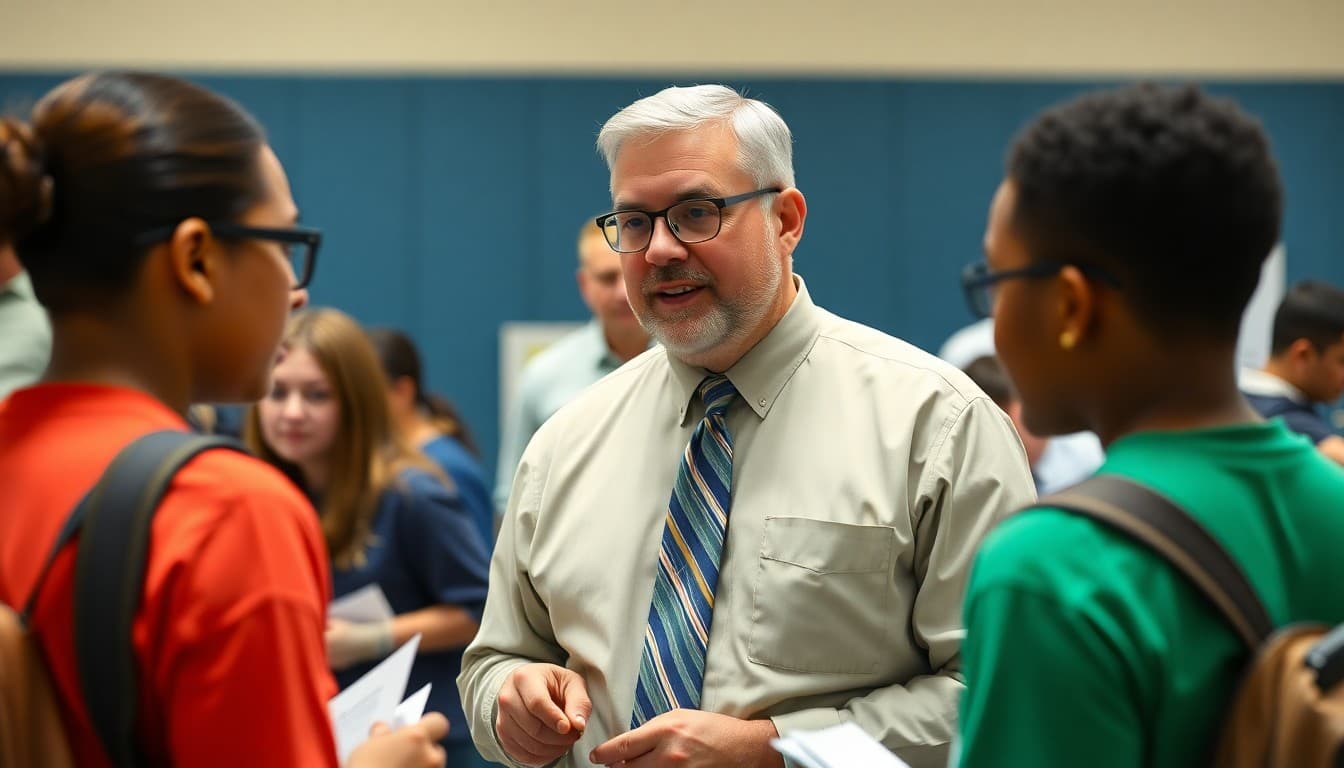
Superintendent High School Newsletter: College and Career Readiness

High school communication is where the stakes feel most immediate to families. College deadlines, graduation requirements, career pathways, and financial aid all have real consequences for students in the next one to four years. A superintendent who writes about high school programs with specificity and honesty earns the attention of families who are already paying close attention.
Lead with Graduation and Post-Secondary Data
Start with the outcomes that families care most about. "Our four-year graduation rate is 86%, up from 82% three years ago. Of last year's graduates, 64% enrolled in a four-year or two-year college within six months, 12% entered apprenticeship or vocational programs, and 8% entered military service. We track these outcomes because we believe every graduate should have a clear next step, not just a diploma."
Describe the College and Career Counseling Team
Families often do not know what support is available to their student. Name the counselors, their caseloads, and what they help students do. "Each of our high schools has two dedicated college and career counselors. They help students explore post-secondary options, complete college applications, apply for financial aid, and connect with apprenticeship and career programs. Students can make appointments through their school's counseling office or at the link below." A named resource with a way to access it is useful. A vague reference to counseling services is not.
Map the Career and Technical Education Pathways
CTE programs are one of the most underutilized offerings in many districts because families do not know they exist. List the pathways available at each school. "Our district offers 14 CTE pathways across three high schools, including Health Sciences at Jefferson High, Engineering at Lincoln High, and Culinary Arts and Business at Washington High. Students who complete a pathway graduate with industry certifications recognized by employers in those fields." A pathway by name, school, and credential is meaningful. A reference to "career preparation programs" is not.
Explain AP, IB, and Dual Enrollment Opportunities
Advanced academic options at the high school level deserve specific description. How many AP courses are available? When is the course selection period? Who qualifies for dual enrollment and how does it work? "Students can begin taking dual enrollment courses at Mesa Community College in 11th grade. Courses are free to students and transfer to four-year universities. Applications are due March 1. Talk to your counselor or visit district.org/dualenrollment."
Address the Ninth Grade Transition
Ninth grade is where high school trajectories are largely set. Describe what the district does to support students entering high school. "Our Summer Bridge program for incoming ninth graders runs July 14 through July 25 and includes academic preparation, campus tours, peer mentoring, and a family orientation. Attendance is voluntary but strongly recommended, particularly for students who struggled in eighth grade." A specific program with dates is actionable. A general reference to transition support is not.
Share Financial Aid and Scholarship Information
For families of juniors and seniors, financial aid information belongs in the newsletter. "Free Application for Federal Student Aid (FAFSA) opens October 1. All families, regardless of income, should complete the FAFSA. Our counselors hold FAFSA completion workshops on November 5, November 12, and November 19. Interpretation is available in Spanish and Somali." Families who receive this information proactively are more likely to act on it.
Connect the High School Program to the District's Larger Vision
Close with a brief statement of what a high school diploma in your district represents and what the district is working toward. "Our goal is for every student who crosses our graduation stage to have a specific, supported plan for what comes next. We are not there yet, but our graduation rate, our counseling team, and our expanding pathway options are moving us in that direction." Honest about the gap. Clear about the direction. No performance.
Get one newsletter idea every week.
Free. For teachers. No spam.
Frequently asked questions
What should a superintendent include in a high school newsletter?
Graduation rates, college enrollment data, AP and dual enrollment results, career pathway offerings, and how students can access counseling and post-secondary planning support. High school families have a short window and need specific, actionable information about their child's options. Do not make them search for what matters most.
How do you communicate about college and career readiness without making it sound like only college matters?
Name both pathways explicitly and give them equal space. 'Our high school graduates pursue four-year universities, community colleges, apprenticeships, military service, and direct employment. We support all of these paths.' Then describe what the district does to prepare students for each, including CTE programs, apprenticeship partnerships, and military liaison services.
How do you communicate about low graduation rates honestly?
Name the rate, compare it to state and national averages, explain the primary causes in your district, and describe what the district is doing. 'Our four-year graduation rate is 81%, below the state average of 87%. The largest driver is students who enter ninth grade two or more years behind grade level. Here is what we are doing about ninth grade transition support.'
How do you keep families engaged through a multi-year high school redesign?
Regular updates with specific milestones. A redesign that goes silent between announcement and implementation loses community trust. Commit to quarterly newsletter updates with specific progress markers: courses launched, partnerships signed, students enrolled in new pathways.
What platform makes it easy to send high school news and college and career updates district-wide?
Daystage handles district-wide sends that reach family inboxes directly. High school newsletters often include links to counseling resources, college application timelines, and career pathway pages that need clean mobile formatting.

Adi Ackerman
Author
Adi Ackerman is a former classroom teacher and curriculum writer with 8 years in K-8 schools. She writes about school communication, parent engagement, and what actually works in real classrooms.
More for Superintendent
Ready to send your first newsletter?
3 newsletters free. No credit card. First one ready in under 5 minutes.
Get started free