
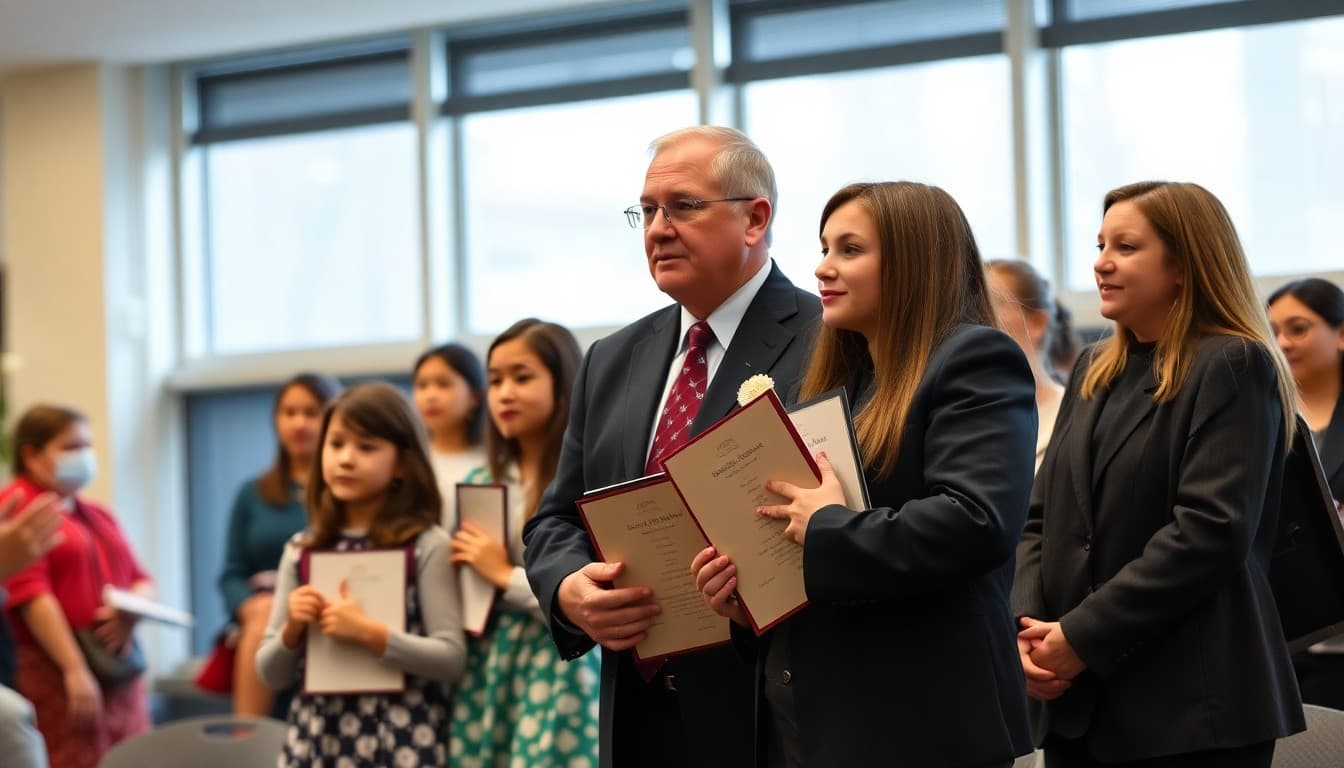
Superintendent Advanced Programs Newsletter: Gifted and AP Updates

Advanced academic programs are among the most visible and most contentious offerings a school district provides. Families who have children in these programs are deeply invested. Families who do not often feel excluded from a conversation that assumes they already know the entry points. A well-written newsletter section can reach both groups.
Map the Offerings Across the District
List what is available at each school level. Gifted and talented identification in elementary. Honors and accelerated courses in middle school. AP, IB, dual enrollment, and project-based advanced programs in high school. Many families do not know the full picture. "Our district currently offers 42 AP courses across our three comprehensive high schools, 8 IB courses at Washington High, and a STEM academy pathway at Lincoln High" gives families a clear inventory.
Explain How Students Access These Programs
Identification and enrollment processes are where equity gaps begin. Be explicit about who can refer students for gifted testing, what the testing process looks like, and when families need to act. "Universal gifted screening occurs for all second graders in the fall semester. Parents can also request a referral at any time by contacting their child's teacher or the school counselor. There is no cost for testing." This kind of transparency opens doors for families who did not know they could ask.
Share AP and Advanced Outcome Data
AP results are a concrete measure of program quality. Share them honestly. "In May 2025, 847 students in our district took 1,403 AP exams. 71% earned scores of 3 or higher, which may qualify for college credit. This is our district's highest participation rate in 10 years." Pair this with access data: what percentage of students who took an AP exam were from underrepresented groups? Is that percentage growing?
Address Equity in Identification Directly
Research consistently shows that gifted programs underidentify Black, Latino, and low-income students. If your district is working to address this, describe what you are doing: universal screening, broadening identification criteria, professional development for teachers on recognizing giftedness across different student backgrounds, or community outreach to families who may not know to request evaluation. This is one of the topics where acknowledging the problem and naming the response builds more trust than staying quiet.
Spotlight Students in These Programs
Individual student stories make the program real. "Maya Reyes, a junior at Jefferson High, is one of 14 students nationally accepted to a summer research program at MIT this year." You do not need many of these. One or two per newsletter section is enough to demonstrate that these programs produce students who achieve things worth recognizing.
Announce Upcoming Application Windows
Application deadlines for magnet programs, GATE testing, and advanced course placement happen at specific times of year that many families miss. Put them in the newsletter. "Applications for the district's STEM Academy pathway at Lincoln High are due March 15. Applications are available at lincoln.district.org/stem-academy." A direct link and a clear deadline does more than a general reminder that applications exist.
Tell Families What Is Coming
If the district is expanding a gifted program, adding AP courses, or building a new advanced pathway, the superintendent newsletter is the right place to announce it. Growth in advanced offerings signals investment in academic rigor and gives families something to plan for.
Get one newsletter idea every week.
Free. For teachers. No spam.
Frequently asked questions
What should a superintendent include in an advanced programs newsletter?
Program offerings by school level, how students qualify or are identified, participation rates by demographic group, AP exam results, and how families can learn more. A newsletter about advanced programs should help every family understand whether their child might benefit from these opportunities, not just reinforce them for families who already know how to access them.
How do you communicate about equity gaps in gifted program identification?
Name the gap directly and describe what the district is doing to address it. 'Our gifted program currently identifies students at a rate that does not reflect the demographic diversity of our district. This year, we expanded identification methods to include universal screening at second grade and teacher nomination processes that consider a wider range of abilities.' The gap, the cause, and the response, all in one paragraph.
How should a superintendent frame AP results in a newsletter?
Share pass rates, but also share the story behind the numbers. How many students took AP exams? What percentage were first-generation test-takers? How did results compare to last year? A district where 200 more students took AP exams than last year, even if the pass rate stayed flat, is making progress worth recognizing.
How do you address families who believe the gifted program is too exclusive?
Acknowledge the criticism and describe what the district is doing about it. Gifted identification practices are legitimately contentious, and a superintendent who addresses the concern directly, explaining the identification criteria and the district's ongoing review of equity in access, builds more trust than one who defends the status quo without engagement.
What newsletter platform makes it easy to share advanced program updates with district families?
Daystage handles district-wide sends with clean formatting and reliable delivery. Advanced program newsletters often include data tables and links to program pages that need to render well on mobile, which is how most families read their school email.

Adi Ackerman
Author
Adi Ackerman is a former classroom teacher and curriculum writer with 8 years in K-8 schools. She writes about school communication, parent engagement, and what actually works in real classrooms.
More for Superintendent
Ready to send your first newsletter?
3 newsletters free. No credit card. First one ready in under 5 minutes.
Get started free