

Summer Sports Training Newsletter: Athlete Preparation
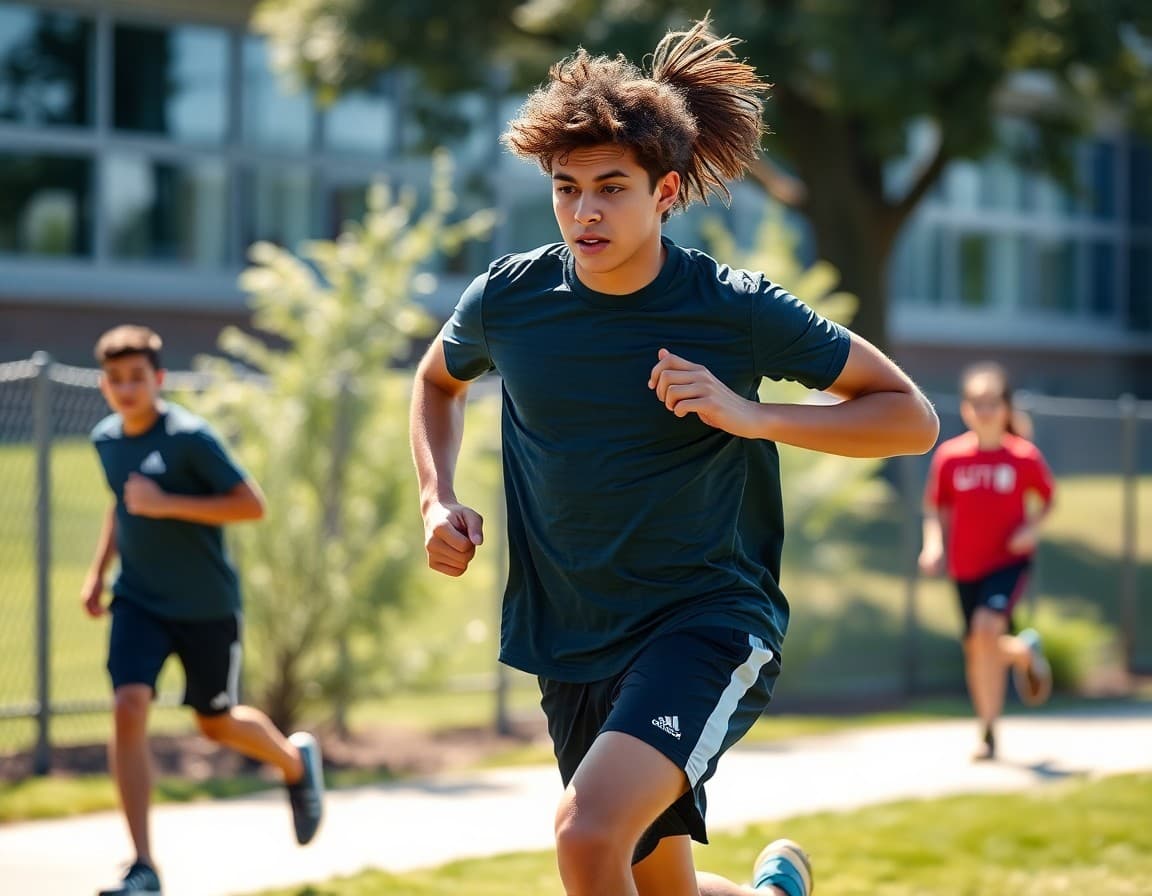
Student athletes who arrive at fall tryouts unprepared did not always fail to train. Often, they failed to receive the right information about what preparation looks like. A summer sports training newsletter that gives athletes specific conditioning targets, a clear schedule of open gym sessions, and an honest description of what tryouts require sets athletes up to actually compete for the roster spots available.
Communicate the official summer schedule immediately
The most time-sensitive information in a summer sports newsletter is the open gym, conditioning, and camp schedule. Athletes and families need this information by June so they can plan vacations, jobs, and other commitments around the sessions that matter. Include dates, times, locations, and whether each session is mandatory or optional. A mandatory session that families did not know about until August creates both frustration and attendance problems.
Give specific conditioning targets, not general advice
"Stay in shape this summer" is advice athletes cannot act on. "By the first day of fall practice, athletes should be able to complete a 1.5-mile run in under 12 minutes, do 30 consecutive box jumps, and sustain 60 minutes of moderate to high intensity activity without stopping" is something athletes can build a summer training plan around. Specific benchmarks let athletes evaluate their own readiness and direct their training toward the areas where they are furthest from the standard.
Describe the tryout process honestly
Families of aspiring athletes deserve a clear description of how tryouts work. How many days does the tryout period last? What skills are coaches evaluating? How many students typically try out versus how many make the roster? When and how are decisions communicated? What happens for students who do not make the team, including JV, freshman team, or club options? Providing this information before tryouts begin reduces the emotional difficulty of the process for families regardless of outcome.
Explain eligibility requirements with deadlines
Most schools require athletes to have a sports physical completed within a specific window before the first practice, usually 12 months. Some require academic eligibility checks and proof of insurance. The newsletter should list every eligibility requirement with its specific deadline and where families can get each item completed. Including information about low-cost physical exam options in the community ensures that cost is not the barrier that keeps an eligible athlete off the field.
A sample summer training schedule section
Format that coaches can adapt for any sport:
Open gym sessions: Mondays and Wednesdays, 9:00 to 11:00 AM, [Gym location]. Open to all interested athletes. No registration needed.
Team camp: August [dates], [Location]. [Mandatory / Optional]. Cost: [$X / covered by school].
First official practice: [Date]. Physical exam due by [date].
Tryouts: [Date range]. Roster announced by [date].
Questions: Contact Coach [Name] at [email/phone].
Address nutrition and recovery
A brief paragraph on summer training nutrition and recovery gives athletes practical guidance that most coaches do not cover until preseason meetings. Athletes who understand that training without adequate protein and hydration makes improvement slower and injury more likely are better positioned to use their training time well. Keep this section practical: eat breakfast before morning workouts, drink water throughout the day, sleep at least eight hours, and do not skip rest days.
Mention the mental preparation component
Athletes who arrive at tryouts physically ready but mentally unprepared often underperform relative to their ability. The newsletter should briefly address the mental side of summer preparation: visualizing successful plays, reviewing game film if available, watching instructional content, and building confidence through progressive challenges over the summer. Even one paragraph acknowledging the mental dimension of athletic preparation separates a thoughtful sports newsletter from a logistics calendar.
Welcome new student athletes specifically
Incoming freshmen or transfers who want to try out often receive the same newsletter as returning athletes and feel lost in the context. A brief section specifically for new athletes that explains how to contact the coach, what the culture of the program looks like, and that new athletes are genuinely welcome makes the program feel accessible to students who have never participated in a school sport before. That welcome matters to the student who becomes the program's most committed player four years from now.
Get one newsletter idea every week.
Free. For teachers. No spam.
Frequently asked questions
What should a summer sports training newsletter cover?
It should cover the official open gym or conditioning schedule with exact dates, times, and locations, any mandatory versus optional sessions, what the tryout or placement process looks like in August, physical conditioning goals or fitness benchmarks athletes should meet by the first day of practice, gear and equipment requirements, and any eligibility requirements such as physical exams or academic standing.
How do you communicate tryout standards without creating excessive anxiety?
Be specific about what coaches are looking for without overstating the competition. Note the number of roster spots, what skills are evaluated at tryouts, how decisions are communicated, and what alternatives exist for students who do not make the primary roster. Giving athletes a clear picture of expectations and process reduces anxiety better than vague encouragement.
What physical conditioning information belongs in a summer sports newsletter?
Include specific fitness benchmarks if the program has them: for example, athletes should be able to run a mile in under eight minutes, complete 20 push-ups, or pass a baseline conditioning test on the first day of practice. If no formal benchmarks exist, describe the intensity of early-season practice so athletes can calibrate their summer training appropriately.
How do you handle eligibility and physical exam requirements in the newsletter?
State the physical exam deadline explicitly and include information about where to get a sports physical, including any low-cost or free options available locally. Note that students who have not submitted a physical by the deadline cannot participate in tryouts or the first week of practice. This information prevents the common situation where an eager athlete is sidelined by a paperwork deadline they did not know about.
How does Daystage support summer sports program communication?
Daystage lets coaches and athletic directors send sports newsletters with embedded training schedules, tryout registration, and physical exam reminder forms. Families can receive sport-specific newsletters rather than a single school-wide communication that mixes athletic and academic information, which increases read rates for sport-specific content.

Adi Ackerman
Author
Adi Ackerman is a former classroom teacher and curriculum writer with 8 years in K-8 schools. She writes about school communication, parent engagement, and what actually works in real classrooms.
More for Summer & After School
Summer Enrichment Newsletter: Learning Opportunities Available
Summer & After School · 6 min read
Back-to-School Newsletter Guide: What to Include in Your August Welcome Newsletter
Summer & After School · 7 min read
Summer PE Activity Newsletter: Staying Active All Summer
Summer & After School · 6 min read
Ready to send your first newsletter?
3 newsletters free. No credit card. First one ready in under 5 minutes.
Get started free