

Summer Enrichment Newsletter: Learning Opportunities Available
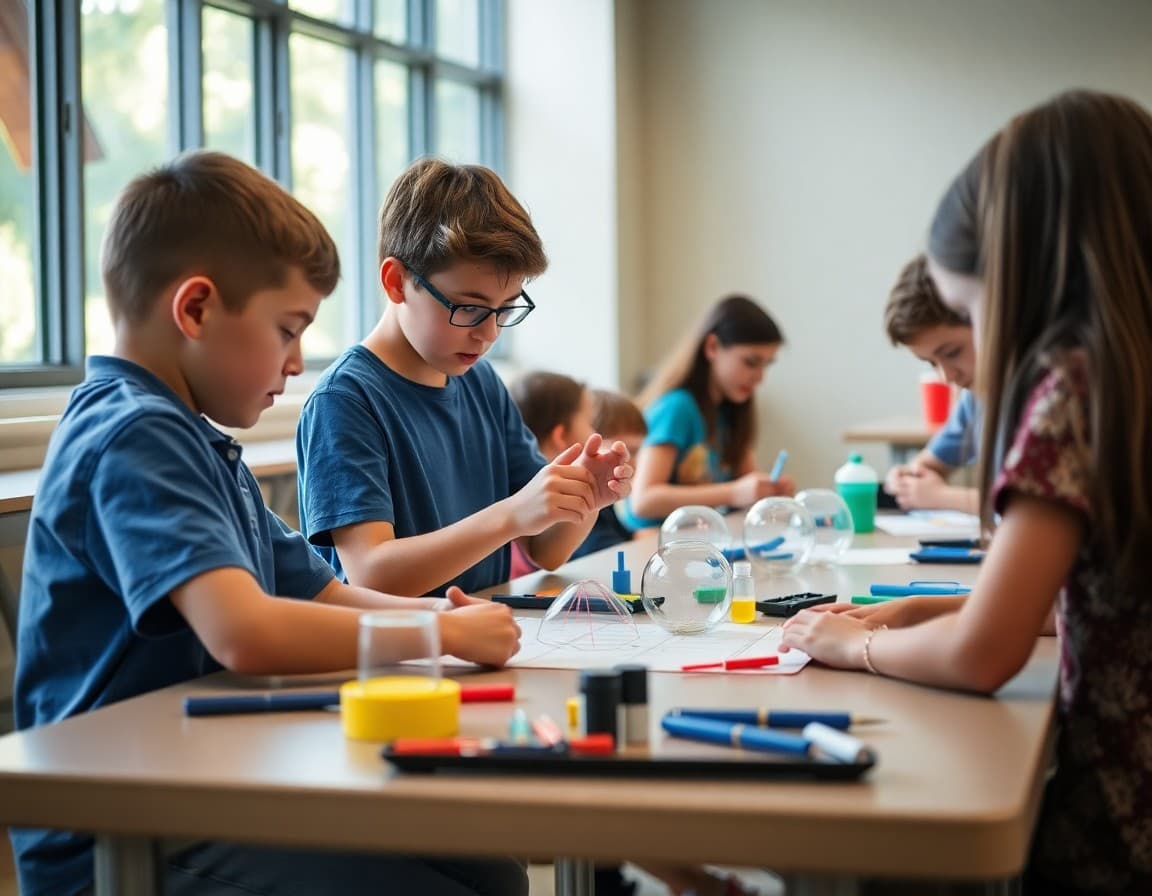
A summer enrichment newsletter is selling something families genuinely want: an engaging, skill-building experience for their child during the long summer break. The challenge is not convincing families that enrichment is good. The challenge is making the specific program feel worth the time, and removing every barrier between reading the newsletter and submitting the registration.
Lead with what students will actually do
The first paragraph of a summer enrichment newsletter should describe a specific activity a student will do in the program. "Students in our engineering camp will design and launch water rockets, build trebuchets, and test bridge designs under load on the last day" is a first sentence that parents and students read forward. "Our program develops critical thinking and STEM competencies" is not. The activity description does the work that program philosophy cannot.
Specify dates, times, location, and age range up front
Families are juggling multiple summer commitments. The logistics need to be in the first screen of the newsletter, not buried after three paragraphs of program description. A family whose child is the wrong age, or who has a camp conflict that week, should find that out in 10 seconds. Putting logistics early also shows families that this is a real, planned program, not a vague aspiration.
Address cost and financial aid immediately
If the program is free, say so in the subject line or opening sentence. If it costs money, state the cost clearly and immediately note whether scholarships are available. Never make families search for the price. A newsletter that describes a wonderful program for four paragraphs and then reveals a $400 tuition at the bottom has wasted everyone's time. Families who need financial aid are also the families most likely to close the newsletter when cost is unclear or unstated.
Feature a photo or quote from a previous cohort
A photo of last summer's students mid-activity or a one-sentence quote from a student who attended last year is worth more than any descriptive paragraph. "I built an app over four days and it actually works" from a 12-year-old is a more effective recruitment message than a program overview. Collect these quotes and photos with permission at the end of each program and use them in the following year's enrollment newsletter.
Make registration the only action in the closing
The closing of a summer enrichment newsletter should have exactly one ask: register here by [date]. Not register, share with a friend, follow us on social media, and check our website for updates. Multiple asks dilute the action that matters. Put the registration deadline in bold, include a direct link or form, and confirm that families will receive a confirmation email within 24 hours. That confirmation email closes the loop and prevents the follow-up calls that waste program coordinators' time.
Segment the newsletter by program type
If the school offers multiple enrichment programs, like a STEM camp, an arts intensive, and a reading academy, send a separate newsletter for each rather than combining all three into one long message. Families interested in the arts intensive will skim past the STEM camp content and may miss the registration deadline for the program they actually want. Separate newsletters allow each program to be described fully without competing for attention.
Send a reminder one week before the registration deadline
Families who opened the first enrollment newsletter but did not complete registration are your best prospect for reminder outreach. A brief reminder sent one week before the deadline, noting how many spots remain, drives a meaningful share of total enrollments in most summer programs. Creating urgency with accurate information, "14 of 20 spots are filled as of today," moves families who were interested but waiting.
Set the stage for the first day
The day before summer enrichment begins, send a one-page first-day logistics newsletter: drop-off location, start time, what to bring, what lunch options are available, and the instructor's name. That newsletter functions as the family's preparation checklist and reduces the first-day chaos that drains everyone's energy before the actual program starts.
Get one newsletter idea every week.
Free. For teachers. No spam.
Frequently asked questions
What types of programs belong in a summer enrichment newsletter?
Summer enrichment newsletters can cover STEM camps, arts and theater intensives, robotics clubs, writing workshops, outdoor education programs, music camps, debate academies, coding bootcamps, sports and fitness programs, and language immersion experiences. The common thread is voluntary participation in an activity that builds skills, curiosity, or confidence beyond the standard curriculum.
How do you write a summer enrichment newsletter that drives enrollment?
Lead with what the student will do and experience, not with the program's theory or framework. A student attending a robotics camp will build a line-following robot in three days is more compelling than a program that develops computational thinking skills. Specificity about activities and outcomes drives enrollment more effectively than benefit statements.
How do you communicate scholarship or financial aid availability in an enrichment newsletter?
State scholarship availability prominently in the newsletter, not buried in a footer. Families who assume a program costs money they do not have stop reading when they see a program description. A line near the top that says scholarship seats available, no family turned away for financial reasons removes the cost barrier before it becomes a reason not to read further.
Should a summer enrichment newsletter include registration links?
Yes, and the registration link or form should be the most obvious action item in the newsletter. Families who are interested act while the interest is fresh. Every barrier between interest and registration, including having to find the school website, navigate to a form, or call an office, reduces enrollment. Make the sign-up as direct as possible.
How does Daystage support summer enrichment program communication?
Daystage allows schools to embed registration forms directly in the enrichment newsletter, send program updates and confirmation emails to enrolled families, and track which families clicked through but did not complete enrollment. That tracking allows program coordinators to follow up with the families who showed interest but did not finish the sign-up process.

Adi Ackerman
Author
Adi Ackerman is a former classroom teacher and curriculum writer with 8 years in K-8 schools. She writes about school communication, parent engagement, and what actually works in real classrooms.
More for Summer & After School
Ready to send your first newsletter?
3 newsletters free. No credit card. First one ready in under 5 minutes.
Get started free