
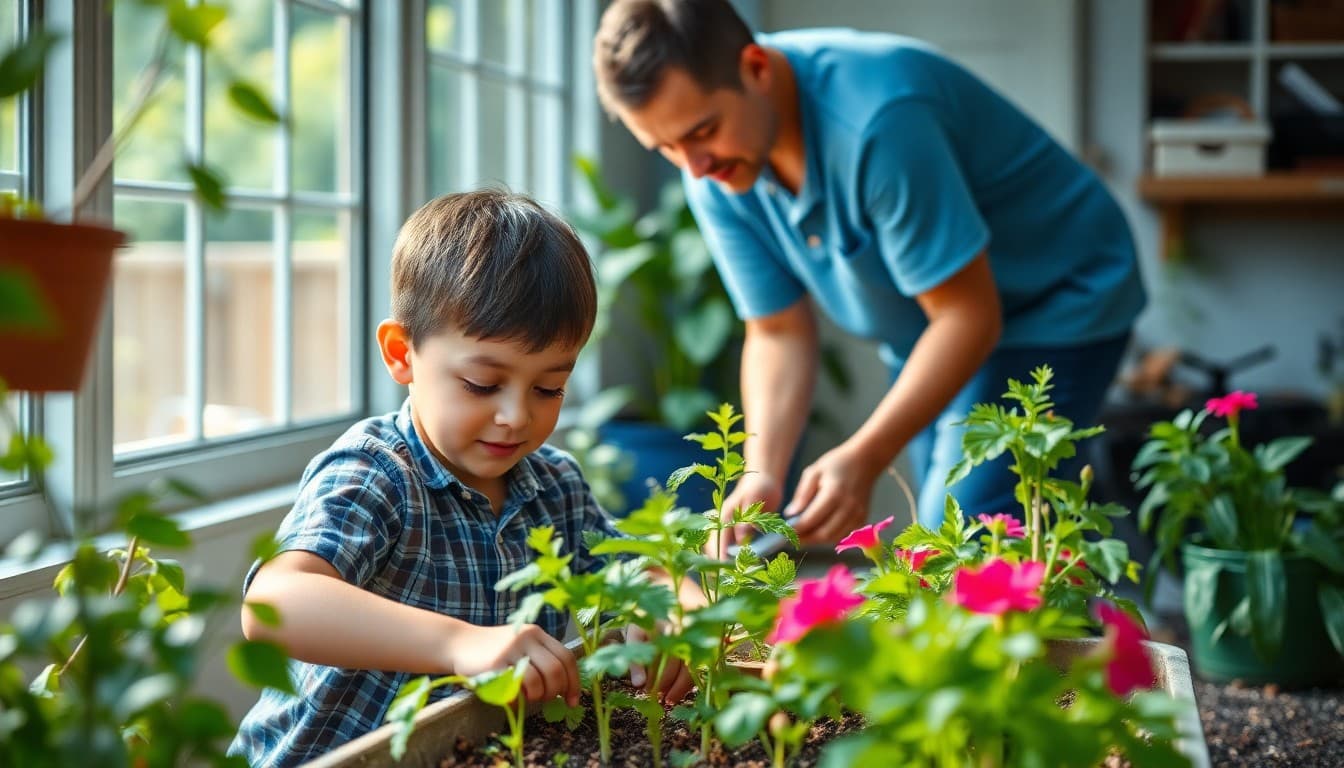
Summer Garden Projects Newsletter: Growing Things at Home
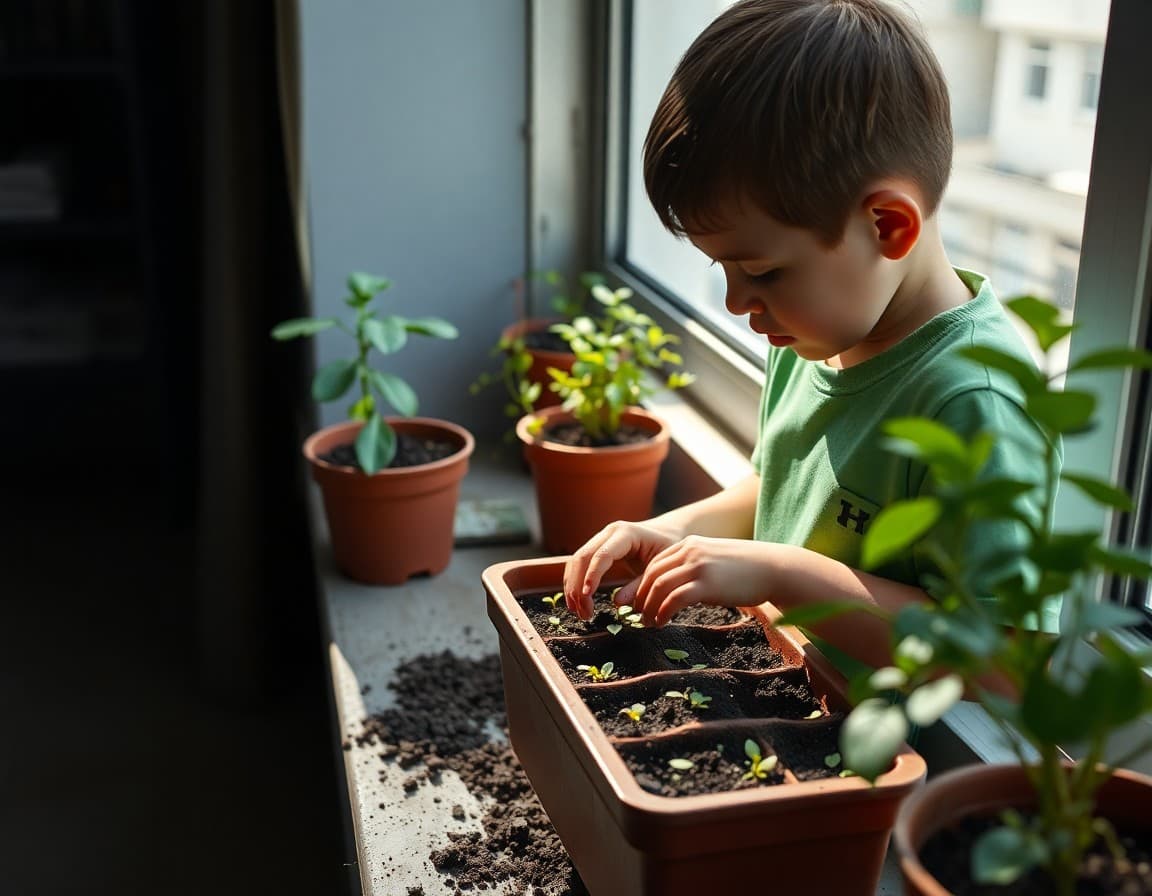
A summer garden project is one of the most complete learning activities a family can do together: it teaches science, builds daily discipline, creates something tangible, and can happen in a windowsill just as easily as in a backyard. A newsletter that gives families a specific starting project and a tracking system for the summer turns what sounds like a vague aspiration into something families actually do.
Start with the fastest-growing projects
Families who start a garden project in June and see no visible progress by July 4th abandon the project. Lead the newsletter with seeds and plants that produce visible results quickly: radishes germinate in five days and are ready to harvest in under a month. Sunflowers push through the soil in a week. Bean seeds in a clear plastic bag taped to a sunny window show roots within 48 hours. Fast visible results build the investment that sustains longer projects through the full summer.
Design the newsletter for families without yards
A summer garden newsletter that assumes families have a yard with space for a raised bed excludes the majority of urban and suburban families in most school communities. Every project in the newsletter should have a container or indoor version. The same growing-from-seed experiment works in a recycled yogurt cup on a windowsill as in a garden bed. Making this explicit rather than leaving families to figure out adaptations ensures the newsletter is useful for apartment dwellers as well as homeowners.
Give a simple growth tracking template
A growth tracking log that students fill out every three days records the date, plant height in centimeters, any observations like new leaves or color change, and a watering note. Over a 10-week summer, this log becomes a data set students can graph, analyze, and bring to class in September. The log costs nothing beyond a page of lined paper and takes two minutes per entry. Families who use it produce a meaningful science artifact from an activity that otherwise disappears from memory by August.
Connect each project to a science concept
A newsletter that names the science behind each project gives families language to use when talking with their child about what is happening. "The seed you planted uses energy stored in the seed to break through the soil before it starts making food from sunlight. This is called germination, and it is the first stage of a plant's life cycle." That sentence tells families more than "watch your plant grow." It gives them a concept to explore and a vocabulary to use.
A summer garden project menu for different situations
For windowsill/apartment families: herb garden in recycled containers using basil, mint, or parsley. Daily water and weekly measurement.
For families with a porch or balcony: one tomato or pepper plant in a 5-gallon container. Weekly fertilizer, daily water, stake when 12 inches tall.
For families with yard access: three varieties of fast-growing vegetables in a small raised bed or row. Radishes, lettuce, and beans together give three different harvest timelines in one small space.
For all situations: a seed germination experiment testing three different soil types in clear cups, measuring which germinates fastest and grows tallest.
Include a composting starter for interested families
A brief paragraph on starting a kitchen compost bin with a container, some dry material like torn cardboard, and food scraps introduces families to the nutrient cycle in a practical way. Students who compost learn decomposition in real time, produce garden amendment for next season's plants, and develop a habit that has environmental value beyond the school year. A simple three-step start is all the newsletter needs to give.
Suggest connecting with the school garden in September
If the school has a garden program, a greenhouse, or a science-based outdoor learning space, the summer garden newsletter should connect home projects to that space. Students who spent the summer gardening at home arrive in September with context that enriches the school garden curriculum. A sentence that says "bring your growth tracking log to the first science class, we will compare data as a class," ties the summer project to a school outcome and reinforces that the summer learning was real and relevant.
Invite photo submissions before school starts
A simple invitation at the end of the newsletter for students to share a photo of their best garden moment before September creates a bridge between summer and school. The teacher who receives those photos before the first day arrives in September with knowledge about each student's summer experience that no other communication provides. Those photos become a classroom display, a science journal entry, and a conversation starter that makes the first week of school richer for everyone.
Get one newsletter idea every week.
Free. For teachers. No spam.
Frequently asked questions
What garden projects work for families without a yard?
Container gardening works on a balcony, a windowsill, or even inside in a sunny spot. Students can grow herbs like basil, mint, or cilantro in a cup with potting soil. Bean or sunflower seeds germinate quickly in a clear plastic bag taped to a window, making the root growth visible. A small avocado pit suspended over a glass of water grows roots and then a sprout. None of these require outdoor space.
What science concepts does garden-based learning support?
Plant life cycles, photosynthesis, soil composition, water and nutrient absorption, seed germination, pollination, decomposition, and the water cycle are all concepts that garden projects make observable rather than theoretical. A student who watches a seed germinate, measures a sprout's daily growth, and observes the difference between plants with and without fertilizer has experienced three months of biology curriculum in a hands-on format.
How much time do garden projects require per week?
The daily care component of most container garden projects is five to ten minutes: watering, checking for pests, measuring growth, and pulling weeds. The initial setup takes 30 minutes to an hour. Families who commit to a summer garden project do not need to allocate large blocks of time to maintain it. The regularity of the daily check builds the observation habits that matter more than the total time spent.
How do garden projects connect to summer math skills?
Measuring plant height daily and graphing the growth over time. Calculating how much water a container plant needs per week. Comparing germination rates across different soil types. Tracking temperature and observing its relationship to plant growth. A summer gardening log that includes measurement data is a math and science activity that does not look like either subject.
How does Daystage help teachers send summer garden newsletters?
Daystage lets science and homeroom teachers send garden project newsletters with embedded YouTube links to planting tutorials, downloadable growth tracking sheets, and photo submission options for students who want to share their plants. The platform allows teachers to follow up in September with a gallery of student garden submissions as an opening unit activity.

Adi Ackerman
Author
Adi Ackerman is a former classroom teacher and curriculum writer with 8 years in K-8 schools. She writes about school communication, parent engagement, and what actually works in real classrooms.
More for Summer & After School
Ready to send your first newsletter?
3 newsletters free. No credit card. First one ready in under 5 minutes.
Get started free