
Summer Arts Activities Newsletter: Creative Projects at Home
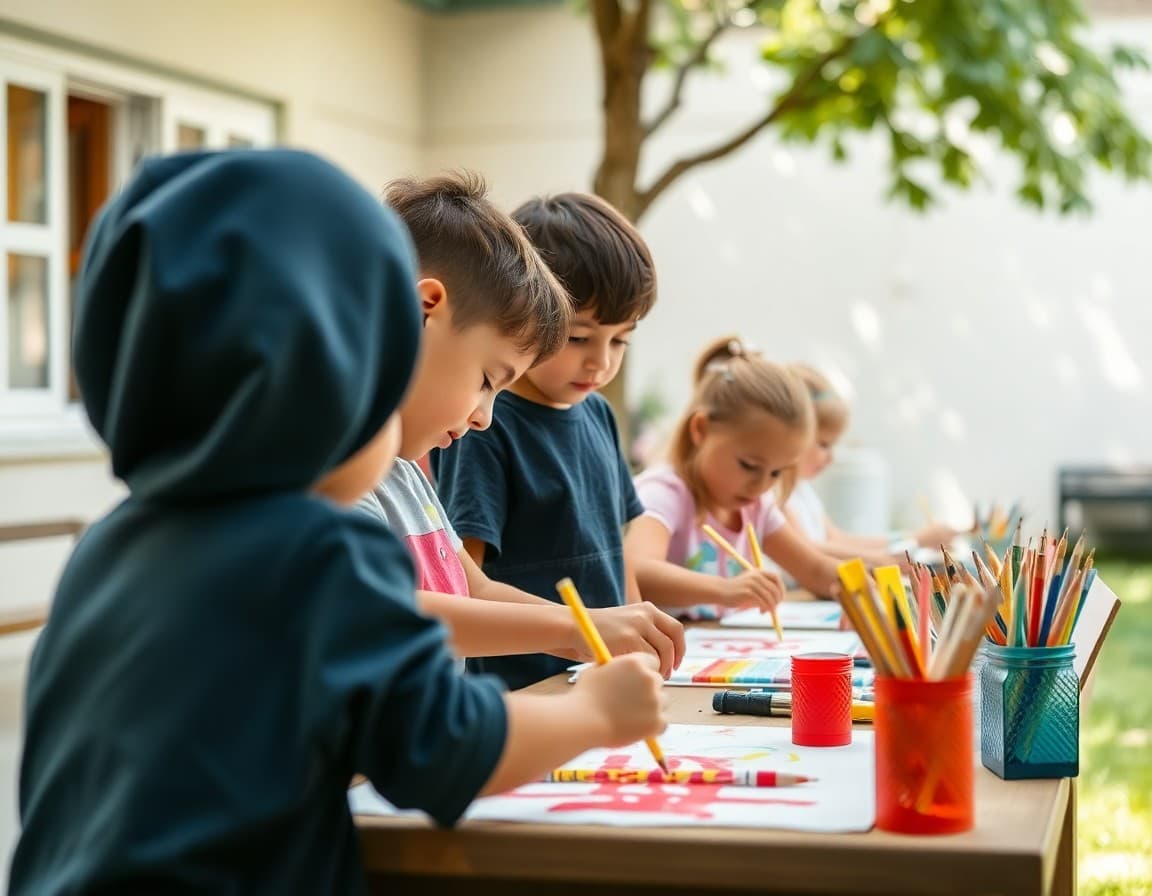
Summer is the season when students have time to make things. A school arts newsletter that gives families specific, achievable creative projects is not just an arts communication. It is an invitation to build the kind of independent, exploratory making that structured class time does not always allow. The best summer arts newsletter puts the materials in students' hands before they know they want them.
Give projects with clear starting points, not open prompts
"Draw something you love" sounds like creative freedom but often produces paralysis. "Draw the same object from three different angles and notice what changes" gives students a starting point, a method, and a discovery to work toward. Specific prompts produce more artwork than open ones because they remove the decision fatigue of deciding what to make. Save the open prompts for students who are already deep in a project and need less structure.
Suggest a sketchbook practice
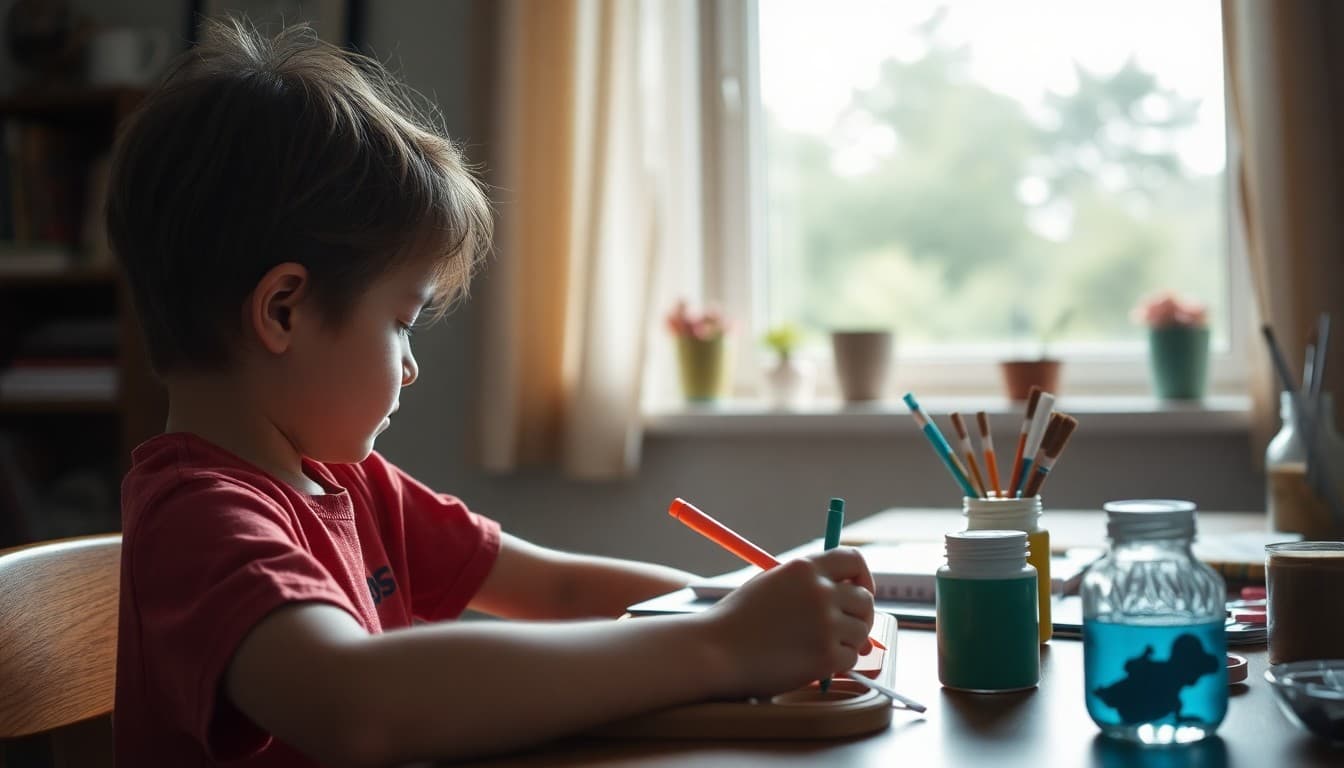
A sketchbook, even one made from folded printer paper stapled together, is the single most useful summer arts tool for students of any age. A newsletter that suggests keeping a daily sketchbook for 10 minutes before screen time gives students a consistent creative habit and a record of their summer in images. Suggest prompts that work across multiple entries: draw what you can see from your window, draw your hands in a new position each day, draw one object in as many ways as you can imagine.
Include at least one project using only household materials
A summer arts project that requires no special purchase is accessible to every family on the list. Collect 10 items from around the house and arrange them into a still life, photograph it, and write one sentence about why you chose those objects. Make a collage from old magazines and junk mail. Build a cardboard sculpture of a place you love. Create a comic strip using pencil and printer paper. These projects cost nothing and produce meaningful work.
Connect art to the community
A summer arts newsletter can encourage students to experience art outside the home as well as inside it. Free museum days, outdoor public art installations, library art programs, and community mural projects all offer arts experiences that do not require household supplies. A brief section that lists free arts events happening locally over the summer, including specific dates and links, connects school arts encouragement to real community participation.
A sample set of summer arts project prompts by week
A structure families can actually follow:
Week 1: Self-portrait using any medium. Week 2: Draw or photograph five things that are the same color. Week 3: Make something three-dimensional from recycled materials. Week 4: Illustrate a short story of your own. Week 5: Create a map of a real or imagined place. Week 6: Use only your non-dominant hand for a drawing session. Week 7: Photograph shadows for one day. Week 8: Make a final project in any medium that represents your summer.
Suggest arts exploration for students who play music
Students who play an instrument have a natural arts practice to maintain over summer. The newsletter should encourage daily practice, even 15 minutes, and suggest that students learn one song they love in addition to their regular repertoire. For students who do not play an instrument, a section on music listening, exploring a genre they do not know, or following a free music theory introduction online gives them an arts experience that does not require visual art supplies.
Invite students to share summer work in September
A newsletter that tells students their summer art will have a home in September motivates more creation than one that sends activities with no follow-through. Whether that home is a classroom bulletin board, a digital gallery, a five-minute show-and-tell, or a portfolio review, knowing that someone will look at the work makes the making feel worthwhile. Include submission instructions if students can share work digitally, or simply note that students should bring their favorite summer piece to the first week of art class.
Point families toward free online arts resources
Khan Academy's free art history content, Google Arts and Culture's museum collections, YouTube channels from working artists, and museum websites that offer free printable activity packets are all resources families can access without leaving home. A brief resource section with three to five specific links, each with a one-sentence description of what families will find there, gives families a starting point rather than a search task.
Get one newsletter idea every week.
Free. For teachers. No spam.
Frequently asked questions
What arts activities work well for a summer home project newsletter?
Visual art projects using household materials, sketchbook drawing challenges, photography projects using a phone camera, collage and mixed media with magazines and recycled materials, writing and poetry journals, stop-motion animation using a free app, and music exploration through free streaming services or instrument practice all work well for summer arts newsletters. The best suggestions require minimal supplies and produce something the student can be proud of.
How do you make summer arts suggestions accessible to families with limited budgets?
Lead with free and nearly-free activities that use materials most households already have: printer paper, pencils, old magazines, empty cardboard boxes, sticks and leaves, and phone cameras. When suggesting materials that require a purchase, give the dollar-store alternative. A sketchbook can be a folded stack of plain printer paper. Watercolors cost two dollars. Most meaningful art-making does not require an art supply store.
How can arts activities support academic skills over the summer?
Storytelling through comics and illustrated narratives builds writing and sequencing skills. Drawing from observation builds visual attention and descriptive vocabulary. Music theory and practice builds pattern recognition and mathematical thinking. Art history exploration through free museum websites builds cultural literacy. Art-making and academic skill development are not separate when the activities are chosen thoughtfully.
Should a summer arts newsletter suggest community arts programs?
Yes, especially free or low-cost community programs. Many public libraries run summer arts workshops. Parks departments often host free outdoor art events. Community art centers and museums offer free or subsidized youth programs. Including specific local programs with registration information is more useful than a general recommendation to look for arts opportunities in the community.
How does Daystage help arts teachers connect with families over summer?
Daystage allows art teachers to send a summer newsletter with embedded videos of project demonstrations, links to free printable templates, and a photo submission option so students can share their summer art with the teacher before September. That portfolio of summer work becomes a classroom conversation starter and a way to reconnect with students' creative lives after the break.

Adi Ackerman
Author
Adi Ackerman is a former classroom teacher and curriculum writer with 8 years in K-8 schools. She writes about school communication, parent engagement, and what actually works in real classrooms.
More for Summer & After School
Summer Enrichment Newsletter: Learning Opportunities Available
Summer & After School · 6 min read
Summer Slide Prevention Newsletter: Keeping Skills Sharp
Summer & After School · 6 min read
Back-to-School Newsletter Guide: What to Include in Your August Welcome Newsletter
Summer & After School · 7 min read
Ready to send your first newsletter?
3 newsletters free. No credit card. First one ready in under 5 minutes.
Get started free