

Incoming 9th Grade Summer Newsletter: Ready for High School
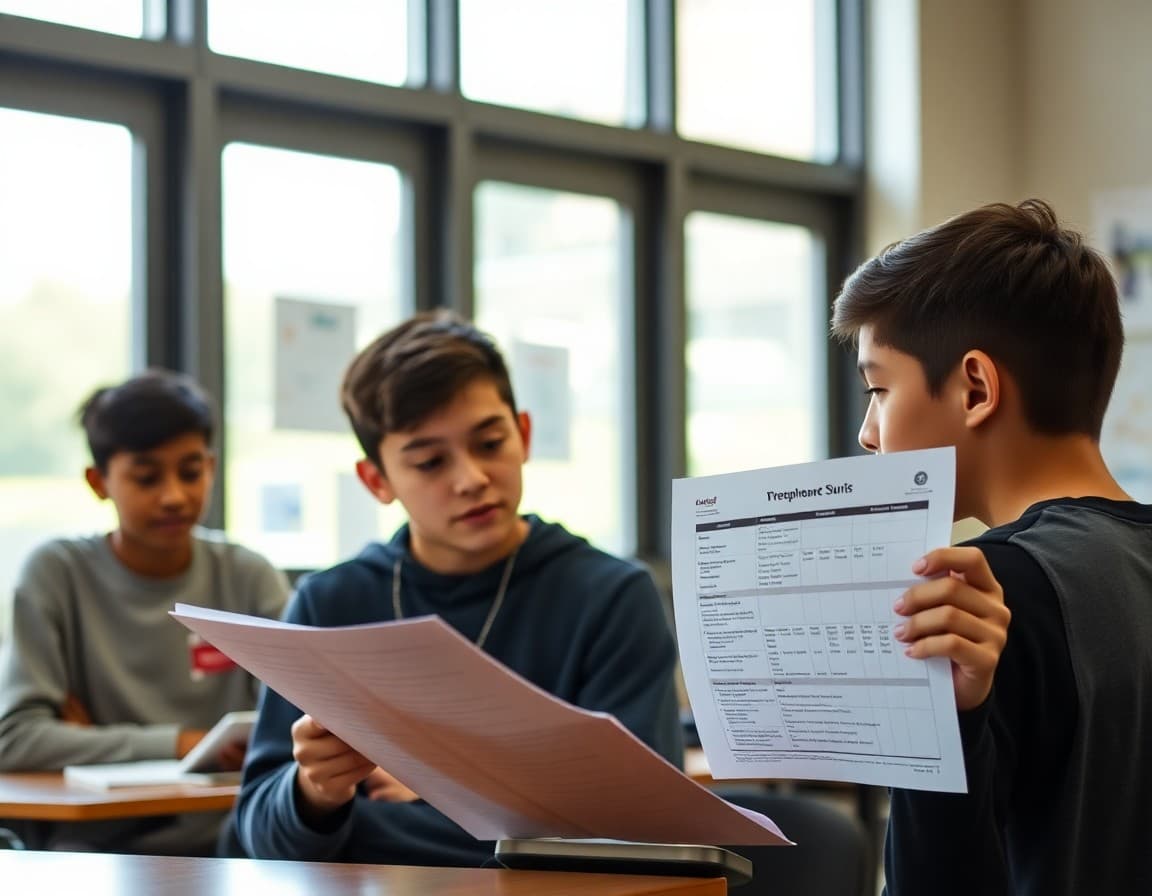
Ninth grade is the most consequential transition in a student's K-12 career in terms of academic trajectory. A summer newsletter that gives incoming freshmen and their families honest, specific information about what high school actually means for their future, rather than a welcome message and a supply list, sets families up to make informed decisions from the first day.
Lead with the stakes honestly
Families of incoming ninth graders deserve a direct statement about what starts in September: grades count permanently, credits toward graduation begin accumulating, and the GPA that follows a student for four years begins with first semester. This is not meant to create anxiety. It is meant to prevent the common pattern where students treat ninth grade as a warmup year and arrive at junior year with a transcript that limits their options. A newsletter that names this clearly in June gives families six months to have the right conversations at home.
Explain the credit and graduation requirement system
Most incoming ninth graders and many of their parents do not know how high school credits work. The newsletter should explain: a standard course earns one credit per year, most graduation requirements total between 22 and 26 credits depending on the state, and students who fail a required course must make it up in summer school or during an additional semester. A brief table showing the required credits in each subject area and how a typical four-year plan maps to graduation is one of the most useful things a ninth grade newsletter can include.
Address GPA and transcript in plain language
First-generation high school families especially may not know how GPA works or why it matters beyond each grade card. Explain the 4.0 scale, note that honors and AP courses may carry weight above 4.0 in a weighted system, and describe where the GPA appears and who sees it. Include a sentence about the fact that colleges and employers look at transcripts from all four years, not just senior year. This information is obvious to families with college-going backgrounds and completely new to others.
Describe the course selection landscape
If students have any option to adjust their schedule before the year begins, include the deadline and how to do it. Even if schedules are set, a paragraph that describes what different course levels mean, how honors courses are weighted, which AP courses are available in ninth grade, and how academic pathways work over four years gives families a context they need for the planning conversations that stretch beyond just ninth grade.
A ninth grade summer preparation checklist
Practical items families and students can complete before September:
Review your schedule and note any concerns before orientation. Confirm your graduation requirements with the counselor at orientation. Set up an email address you will check daily for school communications. Get a planner or set up a digital calendar system. Shop for supplies using the list attached. Identify one extracurricular activity to try in September. Practice waking up at the school start time two weeks before school begins.
Introduce the counselor who is assigned to freshmen
Many high schools assign a specific counselor to ninth grade students. The summer newsletter should introduce that counselor by name, note their contact information, and describe what kinds of questions and concerns are appropriate to bring to them. Students who know their counselor before they arrive are more likely to seek help early, which is the counselor's entire purpose. A three-sentence personal introduction from the counselor goes further than a directory listing.
Address the social reset of high school directly
Like the middle school transition, the move to high school brings a social reset: a larger school, students from multiple feeder schools, and a peer group that has not yet formed. The newsletter should acknowledge this and encourage students to use orientation as a genuine opportunity to meet people rather than only connecting with familiar faces. Students who build a broader social network in ninth grade tend to have richer high school experiences and more diverse peer support than students who never expand beyond their middle school group.
Preview freshman year academically
A brief paragraph that describes typical ninth grade course expectations, homework volume, test frequency, and what independent study looks like at the high school level prepares families for conversations they will need to have. Ninth graders who arrive expecting more homework than middle school, less hand-holding from teachers, and faster-paced instruction are better positioned to adapt than those who are surprised by all three in September.
Get one newsletter idea every week.
Free. For teachers. No spam.
Frequently asked questions
What do incoming ninth graders and their families most need to understand before high school starts?
They need to understand that ninth grade grades count permanently toward GPA and class rank, that credit accumulation toward graduation begins in ninth grade, that failing a course means making it up on a defined timeline, and that the habits they establish in ninth grade tend to persist for four years. Ninth grade is not a practice year and families who understand this early can support their student accordingly.
How do you explain GPA to families who are unfamiliar with the concept?
Explain that GPA is a 4.0-scale average of all high school grades, that it appears on transcripts sent to colleges and employers, that a grade earned in ninth grade stays on the transcript even if the student improves later, and that many colleges look specifically at ninth grade performance as a predictor of readiness. Use a concrete example: a B in English is worth 3.0 points; an A is worth 4.0; those numbers average with every other grade for four years.
What should a ninth grade summer newsletter say about course selection?
If students still have the option to adjust their course load before the year starts, include the deadline and process for doing so. Explain what each course level means, for example, how honors and AP courses affect GPA weighting. Note which courses are graduation requirements and how credits accumulate. First-generation high school families especially benefit from this information being spelled out rather than assumed.
How do you prepare ninth graders for extracurricular involvement?
Advise families that ninth grade is the best year to join clubs, sports, and activities because it is when students are still forming their high school identity and social network. Students who wait until junior year to build a profile for college applications often find it harder to demonstrate sustained commitment. A brief paragraph about available activities and the process for joining early in the year is worth including.
How does Daystage support high school transition communication?
Daystage allows high school counselors and administrators to send incoming ninth grade newsletters that include personalized course information, orientation registration, counselor introductions, and multilingual versions for families whose primary language is not English. The platform's embedded forms let families ask questions or note concerns before orientation so counselors can prepare targeted support.

Adi Ackerman
Author
Adi Ackerman is a former classroom teacher and curriculum writer with 8 years in K-8 schools. She writes about school communication, parent engagement, and what actually works in real classrooms.
More for Summer & After School
Ready to send your first newsletter?
3 newsletters free. No credit card. First one ready in under 5 minutes.
Get started free