

Incoming 6th Grade Summer Newsletter: Ready for Middle School
The elementary-to-middle school transition is one of the most disorienting changes in a student's educational journey. A summer newsletter that honestly describes what is different, what students need to be ready for, and what the school is doing to support new students gives families something to work with rather than an anxiety-free gap before September.
Describe the building and how students get around it
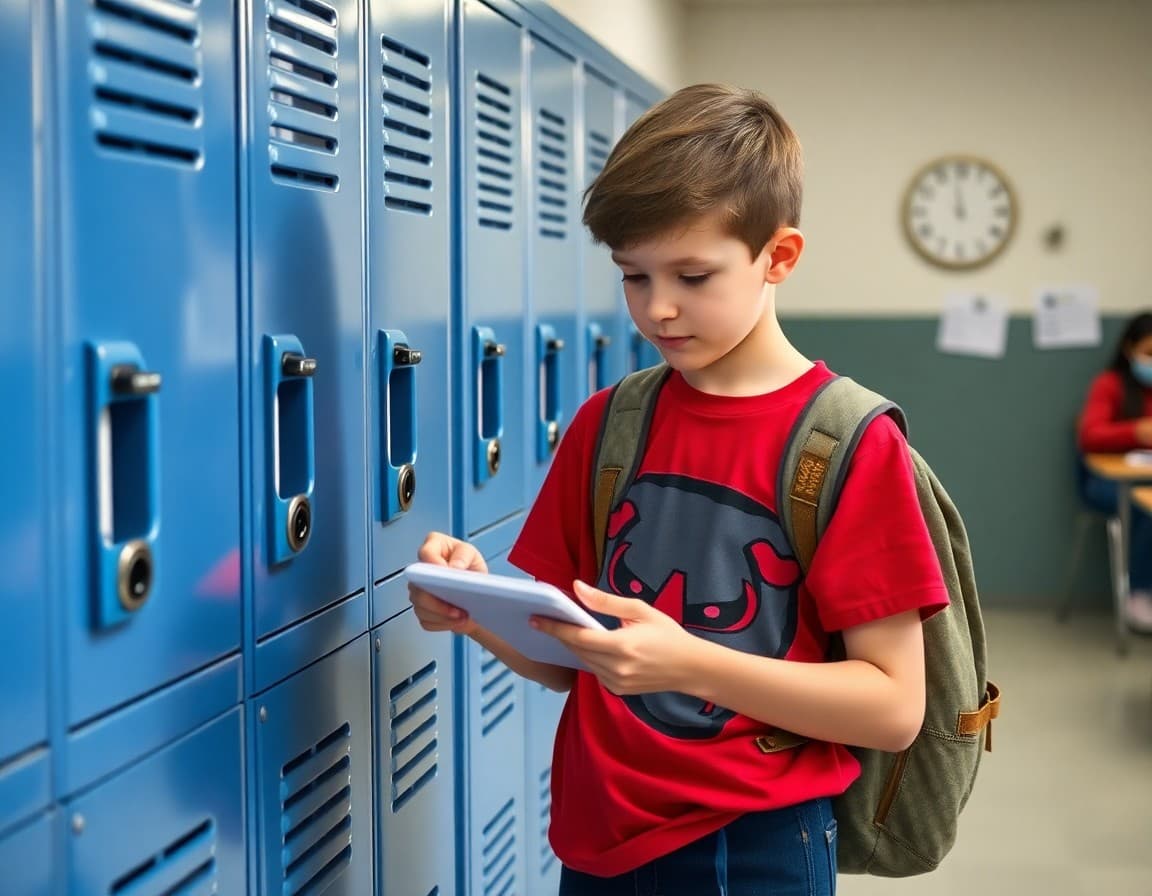
Many incoming sixth graders have never been inside the middle school building. A newsletter that describes the layout, where the main entrance is, how lockers work, where the cafeteria and gymnasium are, and how the class change system works gives students a mental map before orientation. Students who arrive with a basic understanding of the building's geography feel more confident and spend less time lost in the hallway during the first week.
Explain the schedule structure honestly
The shift from one teacher to six or seven is the biggest structural change of middle school. The newsletter should explain how the schedule works: how many class periods per day, how long each period runs, whether the school uses block scheduling, and how students know where to go on day one. Include a sample schedule if one is available. Students who have visualized a typical day in advance spend less cognitive energy navigating logistics and more on actually learning.
Address organization directly and specifically
Sixth graders who were successful elementary students often struggle in middle school not because the material is too hard but because they have not developed the organizational habits that multiple teachers require. The newsletter should name this challenge and give families concrete summer practice suggestions: set up a planner or digital calendar, practice tracking a weekly schedule, help your student pack a backpack independently every day. These are trainable habits and summer is the time to build them.
Talk about the social reset
Incoming sixth graders are moving from a community where they were the oldest and most established students to one where they are the youngest and newest. They are also mixing with students from multiple elementary schools, which means their established social group is smaller relative to the total population. The newsletter should acknowledge that this social reset is real and that it is a normal part of middle school. Give students permission to approach orientation as a chance to meet new people rather than a threat to their existing friendships.
List orientation events and explain what happens at each one
If the school runs a summer orientation, a building walk-through, or a first-day schedule that is different from the regular year, explain it clearly. Many incoming middle school families do not know what to expect from orientation and show up unprepared for the activities. A newsletter that says "orientation is two hours, you will walk your schedule, meet each teacher for 10 minutes, find your locker, and practice the combination" removes the ambiguity that makes orientation feel stressful instead of useful.
A sixth grade summer preparation checklist
A concrete list that families can work through over the summer:
Register for orientation by [date]. Get a combination lock and practice using it daily. Set up a planner or calendar app and use it for summer commitments. Shop for supplies using the list attached. Practice waking up at the school year time at least two weeks before school starts. Visit the building for orientation or an open house before the first day. Identify one club or sport to try in September.
Preview the academic shift in sixth grade
Families benefit from knowing that sixth grade marks the beginning of independent academic management. Teachers assign work and expect students to track it, complete it, and submit it without reminders. Homework in multiple subjects may fall on the same night. Long-term projects require planning. The newsletter should name these shifts so families can support their student's independence rather than being surprised when the old elementary support structures disappear.
Introduce the counselor and the support systems
Middle school counselors are the primary support resource for students who are struggling academically or socially. A newsletter that introduces the counselor by name, explains how students can request to meet with them, and describes what kinds of concerns are appropriate for the counselor to handle gives students and families a safety net before they need it. Students who know the counselor exists and feels accessible are more likely to seek help early rather than after a small problem becomes a large one.
Get one newsletter idea every week.
Free. For teachers. No spam.
Frequently asked questions
What are the biggest challenges for students entering sixth grade?
Managing multiple teachers and multiple assignment systems is the top academic challenge. Navigating a much larger building and finding classes on time is the top logistical challenge. And managing new social dynamics, including a larger peer group from multiple elementary schools, is the top social challenge. A good summer newsletter addresses all three explicitly so neither students nor families are surprised in September.
How do you prepare a 6th grader for independent organization over the summer?
Practice using a planner or digital calendar to track commitments. Set up a simple homework tracking system before school starts. Practice setting an alarm and waking up independently. Have the student pack their own backpack and manage their own belongings for a summer activity. These habits are far easier to build during a low-stakes summer than during the first week of school.
Should the summer newsletter include the actual course schedule?
If schedules are available in August, yes. Families who have the schedule before the first day can help students locate rooms, understand which teachers they will have, and prepare for specific subjects. If schedules are not finalized until orientation, the newsletter should explain when and how students will receive their schedule.
How do you address social anxiety about middle school in the newsletter?
Acknowledge that most incoming sixth graders feel some anxiety about the social reset of middle school. Normalize it by noting that this is true for most students, including those who seem confident. Provide concrete suggestions: attend orientation with an open mind, introduce yourself to one new person the first week, join one club or activity early to build a new social group outside the elementary friend circle.
How does Daystage help middle schools connect with incoming families over the summer?
Daystage allows the incoming sixth grade team to send a summer newsletter that includes teacher introductions, orientation details, supply lists, and academic expectations in a single organized communication. The platform's RSVP feature lets families register for orientation, and the multilingual delivery ensures all families receive the same information regardless of home language.

Adi Ackerman
Author
Adi Ackerman is a former classroom teacher and curriculum writer with 8 years in K-8 schools. She writes about school communication, parent engagement, and what actually works in real classrooms.
More for Summer & After School
Ready to send your first newsletter?
3 newsletters free. No credit card. First one ready in under 5 minutes.
Get started free