
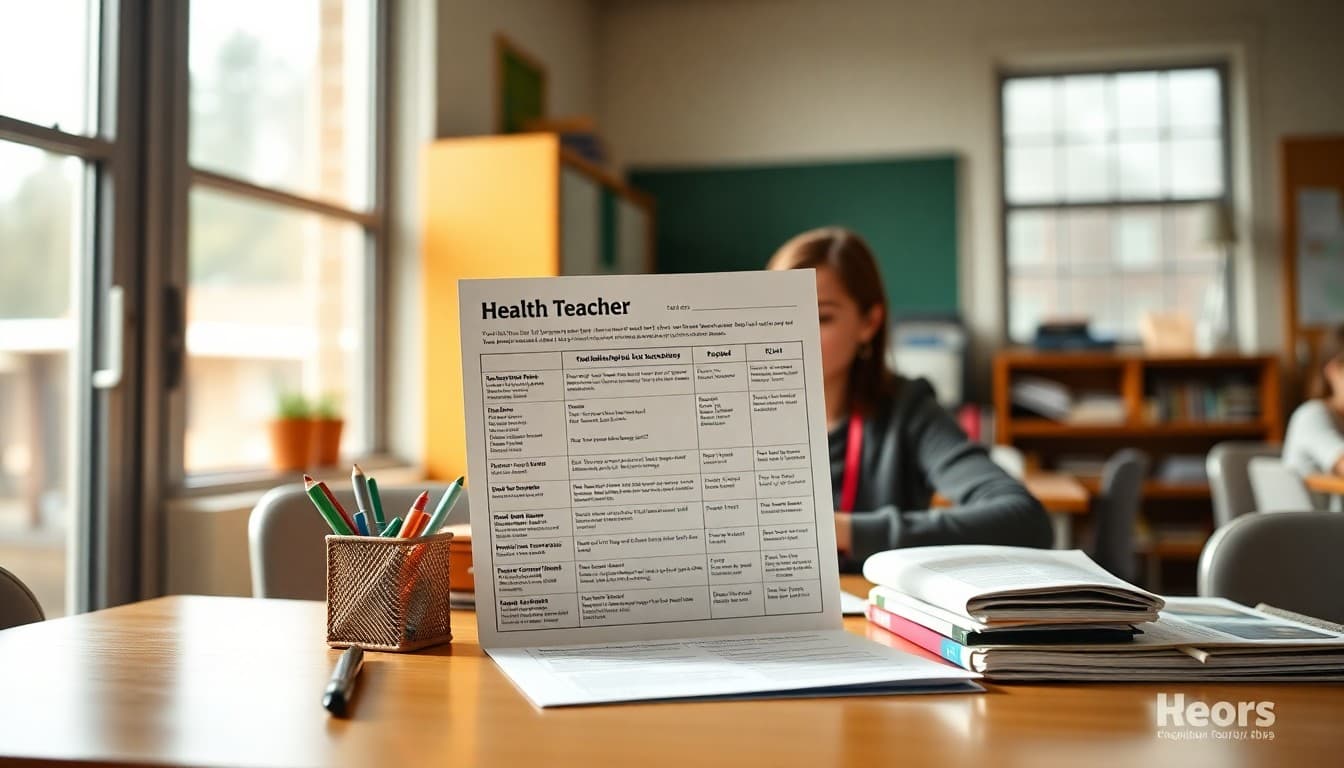
What to Include in Your Health Teacher Newsletter to Parents

What Health Newsletters Must Do Above All
Health education newsletters have one job that no other subject newsletter shares: preventing the reactive parent communication that comes from students describing sensitive lessons without context at home. Your newsletter cannot control what students say or how they say it. But it can make sure parents have accurate framing before the lesson happens. That one thing changes the nature of most parent responses from reactive to supportive.
Unit Preview for Sensitive Topics
Before any unit covering reproductive health, substance use, mental health, or any topic that parents might feel strongly about, send a preview newsletter at least one week in advance. Include: the unit topic in plain language, the dates it will be covered, the approach you use (factual, evidence-based, age-appropriate), and the opt-out procedure if applicable. This section alone prevents the majority of health class parent conflicts.
Opt-Out Information
In every newsletter that covers an opt-out eligible topic, include a clear description of the process: what form to use, where to submit it, the deadline, and what the alternative assignment involves. Be matter-of-fact. You are not defending the curriculum or apologizing for it. You are giving parents the information they need to make a decision for their family.
Mental Health Resources
Include a brief resource list in at least two newsletters per year. School counselor name and contact information. Crisis text line number (text HOME to 741741). One local or national mental health resource relevant to adolescents. Three items, clearly formatted, takes two minutes to write. These resources are most valuable when they appear before students are in crisis, normalizing help-seeking as a regular part of school life.
Family Conversation Starter
Every health newsletter should include one conversation starter tied to the current unit. Not a homework assignment. Just a question or prompt parents can use naturally at dinner. "Ask your student what one coping strategy they practiced for stress this week." "Talk with your student about one boundary they set successfully this month." These starters extend health education into the home environment where it matters most.
Evidence and Sources
One sentence per newsletter that grounds the curriculum in research. "Our substance prevention curriculum is aligned with the CDC's evidence-based health education guidelines." "The mental health unit is developed around the SHAPE America standards for comprehensive health education." These brief citations are not defensive. They are professional and they build parent confidence in what you teach.
Get one newsletter idea every week.
Free. For teachers. No spam.
Frequently asked questions
What is the single most important element of a health teacher newsletter?
An advance notice for any unit covering sensitive topics. The single most effective thing a health teacher can do to prevent parent conflicts is to send a clear, factual preview at least one week before the unit begins, including the opt-out procedure if applicable.
How should mental health resources appear in health newsletters?
As a brief, clean list with contact information. School counselor name and how to access them, the crisis text line (text HOME to 741741), and one age-appropriate community resource. Two to three items is enough. A long resource list is overwhelming.
Should health newsletters explain the evidence base for the curriculum?
Yes, briefly. One or two sentences noting that the curriculum is evidence-based and developed around CDC or SHAPE America guidelines gives parents confidence in the approach. Parents who trust the curriculum's foundation are less likely to challenge individual lessons.
How should opt-out information appear in health newsletters?
Clearly and in every newsletter that covers a topic where opt-out is possible. State the topic, the dates, how to opt out (written note to the teacher or administrator), and what the alternative assignment is. Parents who have clear opt-out information feel respected even if they disagree with the curriculum.
What makes Daystage useful for health teacher newsletters?
Daystage lets you send structured newsletters to all health class families at once. For sensitive topic newsletters, having a clear, professional format reduces the sense of alarm that informal communications sometimes create. Parents read a well-formatted newsletter as authoritative and informative.

Adi Ackerman
Author
Adi Ackerman is a former classroom teacher and curriculum writer with 8 years in K-8 schools. She writes about school communication, parent engagement, and what actually works in real classrooms.
More for Subject Teachers
Ready to send your first newsletter?
3 newsletters free. No credit card. First one ready in under 5 minutes.
Get started free