

Virtual and Online Learning Teacher Newsletter: Keeping Remote Students and Families Engaged
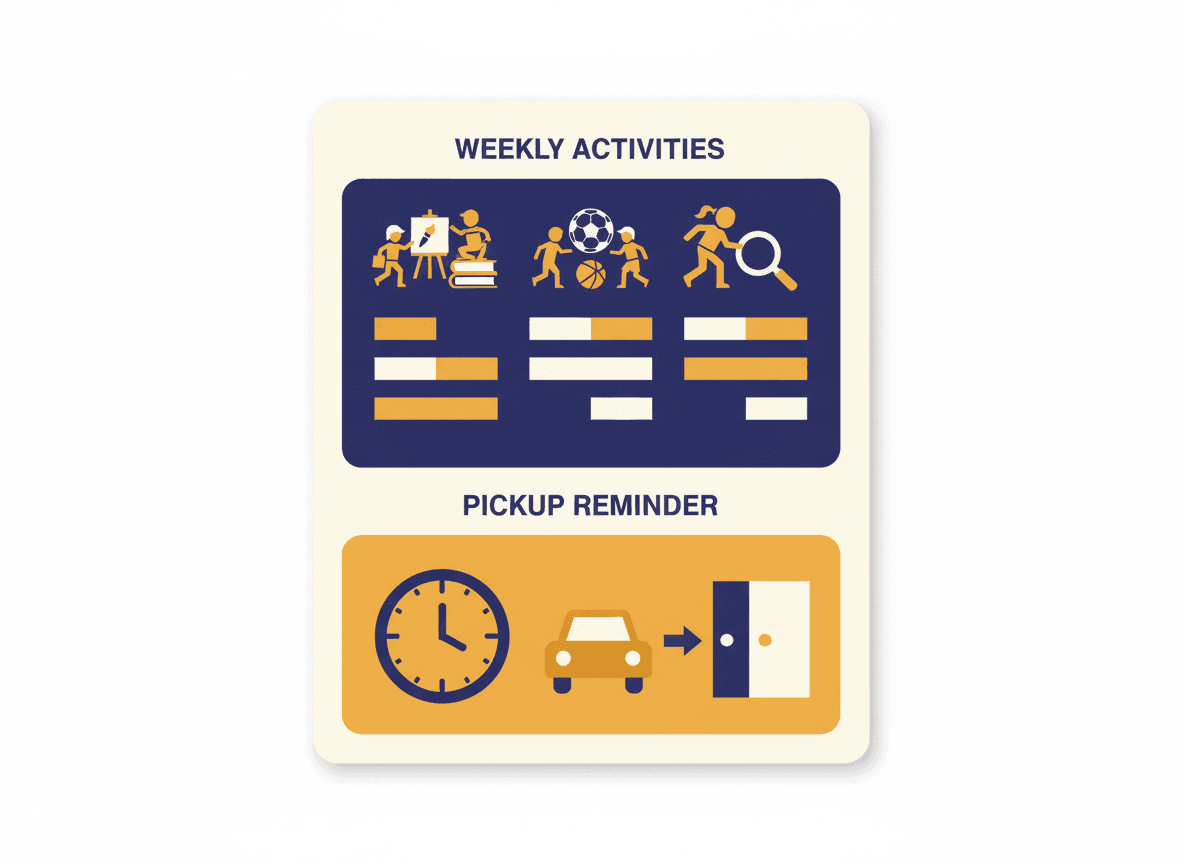
Virtual and online learning programs face a communication challenge that traditional schools do not: there is no hallway, no morning drop-off, no visible presence that reminds families this is a real school with real teachers who know their student. The newsletter is one of the most important tools a virtual teacher has for building and maintaining that sense of connection across a screen and a distance.
This guide covers what to include in an online learning teacher newsletter, how to maintain engagement in a virtual context, and how to write in a way that makes families feel like active participants in their student's education even when they never set foot in a school building.
The connection challenge in virtual education
Students in virtual programs report feeling less connected to their teacher and to their school than students in traditional settings. That sense of disconnection is one of the strongest predictors of disengagement, and disengagement in a virtual environment is far easier to hide than in a physical classroom. A consistent newsletter from the teacher does not solve all of this, but it is one of the most direct ways to signal to families that their student is seen and that someone at the school knows who they are.
A virtual teacher who sends a thoughtful newsletter every week, and keeps sending it through difficult stretches of the year, builds a relationship with families that most virtual students never experience. That relationship is worth the effort.
Explaining synchronous and asynchronous expectations clearly
One of the most frequent family complaints about virtual programs is confusion about when students are expected to participate in live sessions versus when they can work at their own pace. A weekly schedule in every newsletter is one of the simplest and most useful things you can provide. List every synchronous session for the week with its day, time, and link. List every asynchronous assignment with its due date. List any office hours or tutoring availability with access information.
Families who have this information in a format they can check quickly do not need to ask their student "do you have anything today?" They already know.
What to include beyond the schedule
A newsletter that contains only schedule information is useful but thin. Include what the class is currently working on and connect it to something visible or tangible. "This week we are finishing our unit on the American Revolution. Students watched a documentary segment on Monday and wrote a short response. We are using Thursday's live session to discuss the arguments and then students will have a final reflection essay due Sunday." That description tells families what the week looked like without requiring them to ask.
Add one personal observation each week. Something you noticed about the class as a group, a moment that was interesting in a live session, or something students found surprisingly challenging. Personal observations remind families that you are not a content delivery system. You are a teacher who is paying attention.
Supporting families who are co-managing learning at home
Many families of virtual students, especially families with younger students, are actively involved in helping their child navigate the learning platform, stay on schedule, and troubleshoot technical issues. Your newsletter is the right place to acknowledge that role and give them practical help. A short tip each week for families who are supporting an online learner, from how to set up a productive learning environment to how to handle assignment questions without doing the work for their student, gives families something concrete to work with.
Include the technical support contact in every newsletter. Families who encounter a login problem or a broken video link at 8:00 AM before a synchronous session need a fast path to help. A newsletter that includes that contact makes it easy to find.
Maintaining community in a virtual program
One of the losses in virtual education is the organic social experience of school. Students who do not see their classmates in person may feel isolated even when they are technically enrolled. A newsletter that highlights the community dimension of the virtual program, shared class projects, student work that is shared with the group, celebrations of participation and progress, builds a sense of belonging that is otherwise hard to create across a screen.
Using Daystage for virtual school newsletters
Daystage delivers newsletters by email, which works seamlessly for virtual programs where students and families may be spread across multiple locations. Build your template once, update it weekly or monthly, and send to your subscriber list. For a virtual teacher who depends on family engagement as a core part of student success, a consistent, professional newsletter is one of the most direct investments in program outcomes you can make.
Get one newsletter idea every week.
Free. For teachers. No spam.
Frequently asked questions
What should a virtual or online learning teacher newsletter include?
Cover the week's or month's synchronous session schedule, what asynchronous assignments are due and when, how to access support if a student is stuck, and one note on what you are observing about student engagement or progress. Virtual families often feel less connected to school. Your newsletter is the primary way to counteract that.
How often should an online teacher send newsletters?
Weekly is ideal for virtual programs where families may have limited other touchpoints with the school. A brief weekly update keeps families connected to the learning without requiring a long read. Monthly newsletters with more depth work as a complement, covering bigger-picture themes and student development.
How do I communicate expectations for a mix of synchronous and asynchronous learning?
Be explicit about which activities require attendance at a specific time and which can be completed flexibly. Include a clear weekly schedule in every newsletter showing synchronous session times, asynchronous deadlines, and any office hours or tutoring availability. Virtual students who are clear on when they need to show up live versus when they can work independently meet expectations more consistently.
What mistakes do virtual teachers make in family newsletters?
The most common mistake is sending only logistical information without any relational content. Families of virtual students already feel less connected than families in traditional school settings. A newsletter that adds one warm, personal observation, about what the class is working on, about a moment that was interesting in a live session, about something students found surprisingly challenging, reminds families that a real teacher sees their student.
How does Daystage work for a virtual teacher whose students may be in many different locations?
Daystage delivers newsletters by email, which works regardless of where students and families are located. A virtual teacher with students across a city, a state, or a country sends one newsletter and reaches every family in their subscriber list. Consistent professional communication is especially important for building trust in a program that lacks the daily in-person touchpoints of a traditional school.

Adi Ackerman
Author
Adi Ackerman is a former classroom teacher and curriculum writer with 8 years in K-8 schools. She writes about school communication, parent engagement, and what actually works in real classrooms.
More for Subject Teachers
Teacher's Aide and Paraprofessional Newsletter: How to Communicate Your Role to Families
Subject Teachers · 6 min read
Drama and Theater Teacher Newsletter: Building Excitement and Family Support for Productions
Subject Teachers · 6 min read
Math Teacher Newsletter to Parents: What to Include and How to Make Math Approachable
Subject Teachers · 7 min read
Ready to send your first newsletter?
3 newsletters free. No credit card. First one ready in under 5 minutes.
Get started free