
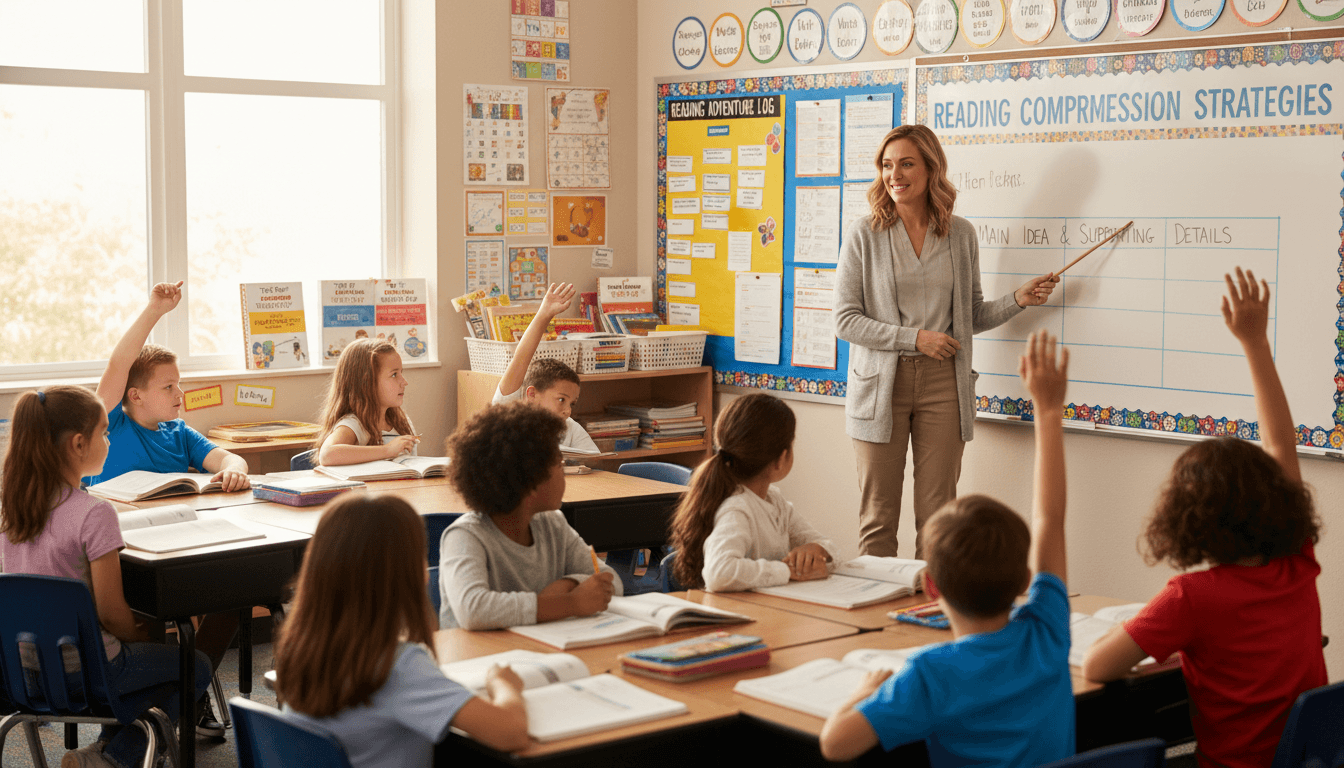
Third Grade Teacher Newsletter Guide: Standardized Tests, Reading, and Parent Communication
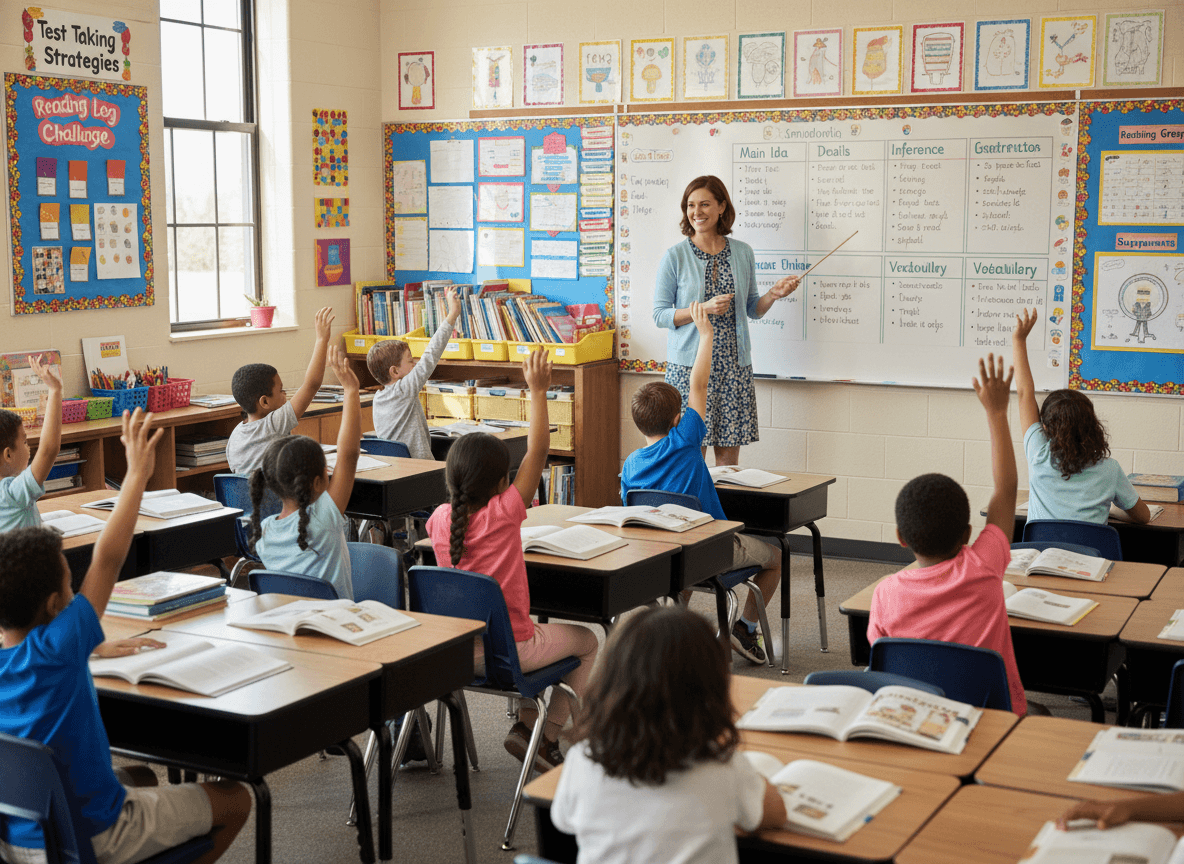
Third grade is one of the most researched and most discussed years in all of elementary education. It is the year reading becomes the primary academic tool rather than the subject being taught. It is also often the first year students sit for consequential standardized tests. Families feel both the weight of the milestone and the anxiety of the assessment, and they look to the third grade teacher to tell them what to expect and how to help. Your newsletter is the tool for that.
This guide covers what to include in a third grade newsletter, how to communicate standardized testing expectations without amplifying family anxiety, and how to explain the reading milestone clearly enough that families act on it.
The reading milestone is real. say it plainly
The research consensus on third grade reading is specific: children who are not reading proficiently by the end of third grade are significantly more likely to struggle academically in every grade that follows. This is not alarmist. It is a fact that families deserve to know, stated clearly, alongside concrete information about what you are doing about it and what they can do at home.
"Third grade is the year students move from learning to read to reading to learn. By the end of third grade, your child should be reading chapter books and longer nonfiction texts independently and with comprehension. If your child is still working on fluency, we are providing targeted support. and daily reading at home is the single highest-impact thing you can do." That is honest, specific, and actionable.
Communicating standardized testing without creating anxiety
Third grade families often hear about state reading tests long before they understand what they are or how to prepare. Your newsletter should demystify testing before families start building anxiety around something they do not yet understand.
Explain what the test measures. Explain when it happens. Explain how to prepare. and be specific that the best test preparation for most students is reading books they enjoy, building vocabulary through conversation, and getting enough sleep. Families who have clear information can prepare calmly. Families who lack information prepare anxiously with whatever they find online, which is often worse than nothing.
What to include in a third grade newsletter
- Reading comprehension skills and how to practice them. Third grade reading shifts from decoding to comprehension: main idea, inference, text structure, author's purpose. Tell families which comprehension skill you are working on and give them a conversation prompt for after-reading. "After your child finishes a chapter tonight, ask: what was the most important thing that happened and why? That question builds the kind of thinking the state reading test requires."
- Multiplication and division foundations. Third grade is where multiplication begins. Math fact fluency in addition and subtraction should be solid, and multiplication is the new target. Give families a specific practice approach. skip counting, array models, fact families, timed practice. and tell them why fluency matters for fourth grade math.
- Writing skills in third grade. Third graders write opinion paragraphs, informational pieces, and narratives. Tell families what type of writing students are working on and how to support it at home without doing the work for them. "Ask your child what they are trying to prove in their opinion piece. Ask them to tell you three reasons. Then let them write it themselves."
- State testing timeline and logistics. When does testing happen? What should students bring? What should they eat for breakfast? What happens if a student is sick on a testing day? Logistics clarity reduces family anxiety and reduces the number of calls you receive the week before testing.
- What to do and not do around testing. The most helpful thing most families can do is maintain normal routines, ensure adequate sleep, and read every night. The least helpful thing is intensive test prep that stresses children or signals that the test is something frightening. Say this plainly. Families follow practical guidance.
Vocabulary is the hidden driver of reading success
Third grade reading comprehension depends heavily on vocabulary. Children who encounter more words. through reading, conversation, and exposure to varied content. comprehend more. Your newsletter can build family awareness of this by giving them simple vocabulary-building activities they can integrate into daily life. "During dinner, try discussing one new word you each encountered today. Ask your child what they think it means, then look it up together."
Frequency and format for third grade
Bi-weekly newsletters work well in third grade. Students are old enough that some of the day-to-day logistics are communicated student-to-student, reducing the volume of family communication needed. Focus each newsletter on one academic priority, one home strategy, and one logistics item. Keep it under four minutes to read.
Using Daystage for third grade newsletters
Daystage's block editor lets you structure your bi-weekly third grade newsletter efficiently: reading comprehension focus, math update, test preparation context, one home strategy, logistics. Subscriber lists ensure every family receives the newsletter regardless of backpack communication gaps. A consistent format over time means families read your newsletter because they know it will be useful.
Third grade is when the trajectory takes shape
The families who understand the stakes of third grade reading and act on that understanding at home. reading every night, building vocabulary, supporting fluency practice. are the families whose children arrive at fourth grade prepared. Your newsletter is the instrument that builds that understanding. Keep sending it.
Get one newsletter idea every week.
Free. For teachers. No spam.
Frequently asked questions
When should third grade teachers send newsletters to parents?
Bi-weekly newsletters work well in third grade. Students are old enough that some day-to-day logistics travel student-to-student, so the newsletter can focus more on academic content and less on daily procedures. Increase communication in the weeks before standardized testing so families have clear, calm information before anxiety builds.
What should a third grade teacher newsletter include?
Cover the current reading comprehension skill with a post-reading conversation prompt families can use that evening. Include the multiplication and division foundation you are building with a specific practice approach (skip counting, array models, timed practice). Add writing genre information, standardized testing logistics (when, what to bring, what to eat for breakfast), and plain guidance on what helps and what hurts around test preparation.
How often should third grade teachers communicate with parents by newsletter?
Bi-weekly is the recommended cadence. Each newsletter should focus on one academic priority, one home strategy, and one logistics item and take under four minutes to read. When standardized testing approaches, communicate directly about the testing timeline and logistics so families have accurate information before they have to look elsewhere.
What are common mistakes third grade teachers make in parent newsletters?
Waiting too long to communicate about standardized testing is the most common mistake. Families who hear about the state reading test from their child before hearing from the teacher often build anxiety around something they do not yet understand. A second mistake is leaving out vocabulary development content: strong vocabulary is the hidden driver of reading comprehension, and families can build it through daily dinner conversations with one new word.
What tool helps third grade teachers send bi-weekly newsletters efficiently?
Daystage's block editor lets you structure a bi-weekly third grade newsletter in minutes: reading comprehension focus, math update, test preparation context, one home strategy, logistics. Subscriber lists ensure every family receives the newsletter regardless of backpack communication gaps, which is especially important in the weeks before testing.

Adi Ackerman
Author
Adi Ackerman is a former classroom teacher and curriculum writer with 8 years in K-8 schools. She writes about school communication, parent engagement, and what actually works in real classrooms.
More for Subject Teachers
JROTC Instructor Newsletter: Communicating Program Values, Events, and Cadet Development to Families
Subject Teachers · 6 min read
School Garden Teacher Newsletter: Communicating Seasonal Activities, Curriculum Connections, and Harvest Events
Subject Teachers · 6 min read
School Social Worker Newsletter: Communicating Community Resources and Family Support Services
Subject Teachers · 7 min read
Ready to send your first newsletter?
3 newsletters free. No credit card. First one ready in under 5 minutes.
Get started free