

School Transportation Director Newsletter: Communicating Routes, Safety, and Changes to Families
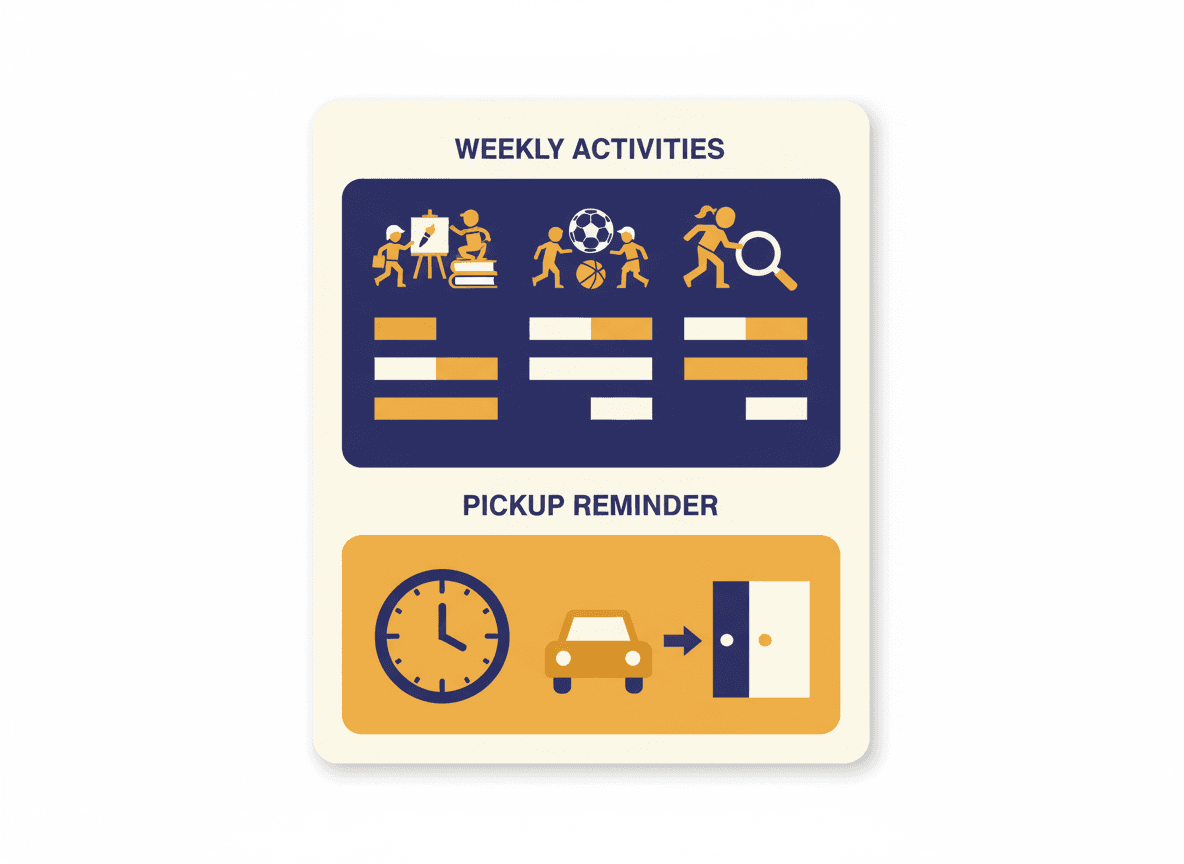
School transportation affects hundreds of families every school day. When buses run on time and routes are clear, families and students trust the system. When something changes and families do not hear about it, you get hundreds of calls, anxious parents at the school entrance, and students standing at the wrong stop. Proactive transportation communication does not eliminate all disruptions. It prevents the ones that are caused by lack of information.
This guide covers what to include in a school transportation newsletter, when to send it, and how to communicate changes and emergencies in a way that gives families exactly what they need to act.
The start-of-year transportation newsletter
The most important transportation newsletter of the year goes out before school starts. It covers everything families need to know to get their child on and off the bus safely and without confusion: route numbers, pickup times and locations, dropoff times and locations, how to look up a student's bus assignment, the procedure for requesting a route change, and the school's bus safety expectations for students.
New families need even more context. Include a brief explanation of how to find your child's bus stop, what to do if the bus is late, and who to call if there is a problem. Families who enter the school year with this information are far less likely to call your office with basic questions during the first week.
Communicating route changes clearly
Bus route changes are one of the highest-friction communication events in school transportation. A route that has been the same for three years is being changed because of a road closure, a new driver coverage arrangement, or an efficiency review. Families who have built their morning routine around a specific pickup time and location are going to be frustrated by the change. Clear, specific, advance communication reduces that frustration dramatically.
Every route change notice must include: which route is affected (by number and key stops), what is changing (time, location, or driver), when the change takes effect, and why. The "why" reduces resistance. Families who understand that a route change is happening because of a road closure accept it more easily than families who simply receive a new schedule with no explanation.
Bus safety communication that families will actually read
Bus safety communication often reads like a policy document. Families skim it and move on. A newsletter that translates bus safety expectations into specific scenarios is far more useful: "Students are expected to remain seated from the moment they board until the bus has stopped at their destination. Standing on a moving bus is the leading cause of injury in school transportation." That kind of specific, factual framing is more effective than a list of rules.
Include the consequences for bus behavioral violations in plain language. Families who understand what can result in a student losing bus privileges are better prepared to have a conversation with their child about expectations.
Managing weather and emergency communication
Transportation emergencies require fast, specific communication. Families do not need a newsletter in an emergency. They need a same-day message that tells them exactly what happened and what to do. Build a protocol for emergency messages separately from your newsletter schedule. The newsletter is for planned communication. Emergency communication needs its own system and timeline.
For weather delays that affect the whole district, coordinate with the school office to ensure transportation communication aligns with the school's general communication. Conflicting messages about delay times and bus schedules from different office create more confusion than no message at all.
Addressing transportation concerns and complaints professionally
Every transportation program receives complaints: a driver who was rude, a bus that was consistently late, a student who was bullied on the route. Your newsletter is not the venue for addressing individual complaints, but it is the right venue for communicating about how complaints are handled. Include a clear process: who to contact, how to submit a concern, and what the typical response timeline is. Families who know the process are more likely to use the right channel than to show up unannounced at the school office.
Using Daystage for school transportation newsletters
Daystage subscriber lists let you organize families by bus route so that when Route 14 changes, you send to Route 14 families only. That precision reduces the inbox noise for families on unaffected routes and makes your communication far more credible. Families who receive only information that applies to them trust your newsletters enough to open them when something does change. Families who get everything regardless of relevance tune you out.
Get one newsletter idea every week.
Free. For teachers. No spam.
Frequently asked questions
What should a school transportation newsletter include?
Cover bus routes and pickup times at the start of the year, any route or schedule changes, bus safety expectations for students, and how to report concerns or request a route change. For weather delays and emergency changes, families need specific and timely communication, not general updates.
How often should a transportation director send newsletters?
A start-of-year newsletter covering all the basics is essential. After that, send newsletters when something changes: a route adjustment, a new driver, a policy update, or a safety issue. Monthly newsletters are not necessary for transportation unless you are managing a large district with frequent updates. Timely beats frequent for this audience.
How do I communicate a bus route change without causing chaos?
Be specific about which routes are affected, what the new pickup or dropoff location is, when the change takes effect, and why it is happening. Include the date the change starts and any temporary arrangement if the change is staggered. A route change notice that answers all of those questions generates a fraction of the phone calls that a vague change notice does.
How should a school transportation director handle emergency or weather delay communication?
Emergency transportation changes need same-day, specific communication. Tell families exactly what happened, what the new plan is, and what time students will arrive. Do not wait for a newsletter cycle. An email or text through the school's communication platform that goes out within 30 minutes of a route change is what families need in a disruption.
How does Daystage help a transportation director manage family communication?
Daystage subscriber lists let you organize families by bus route or zone. When a specific route changes, you send to just that list rather than notifying the entire school community about a change that affects ten families. Targeted communication reduces confusion and unsubscribe requests from families who keep receiving notices that do not apply to them.

Adi Ackerman
Author
Adi Ackerman is a former classroom teacher and curriculum writer with 8 years in K-8 schools. She writes about school communication, parent engagement, and what actually works in real classrooms.
More for Subject Teachers
Eighth Grade Teacher Newsletter Guide: Preparing Families for the High School Transition
Subject Teachers · 6 min read
Montessori Teacher Newsletter: Communicating the Montessori Approach to Curious and Invested Families
Subject Teachers · 6 min read
School Nurse Newsletter Guide: How to Communicate Health Information to Families
School Nurses · 6 min read
Ready to send your first newsletter?
3 newsletters free. No credit card. First one ready in under 5 minutes.
Get started free