
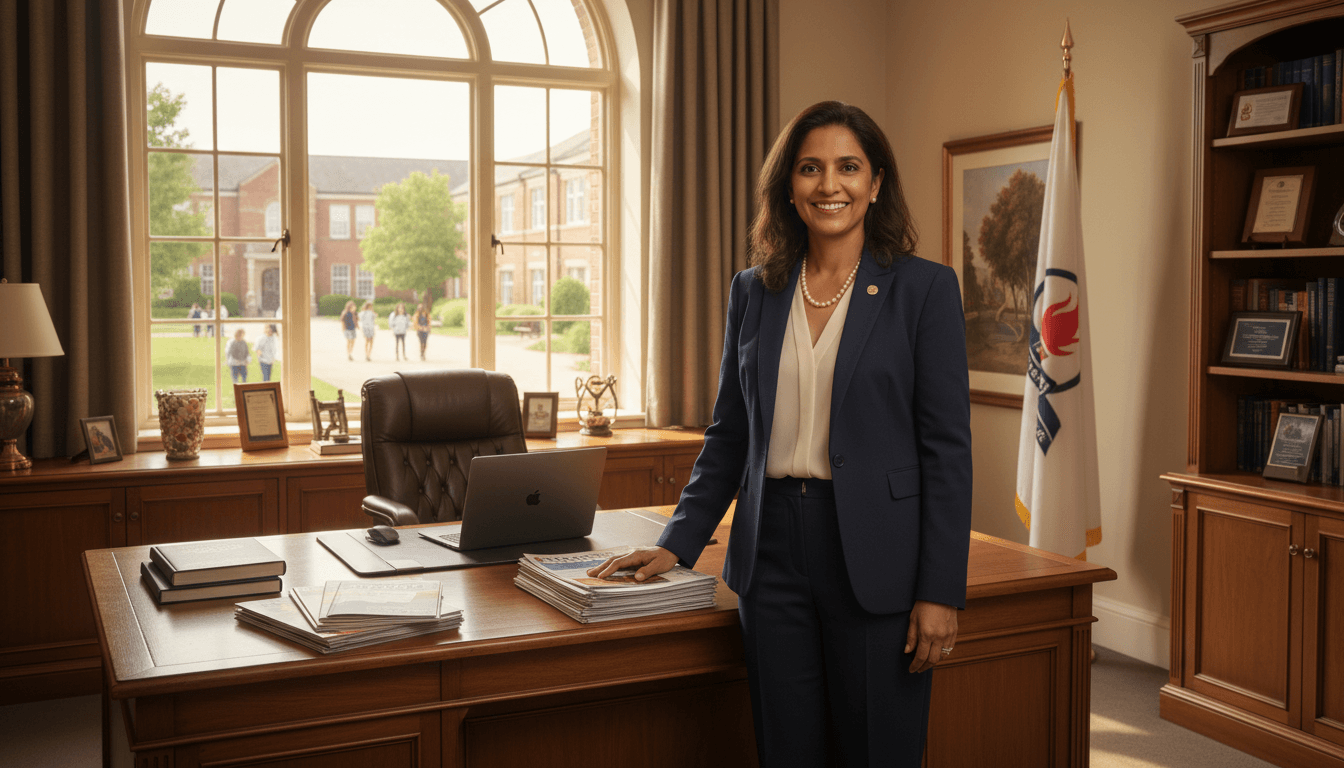
Principal Newsletter Guide: What the Principal's Newsletter Should Cover and How Often
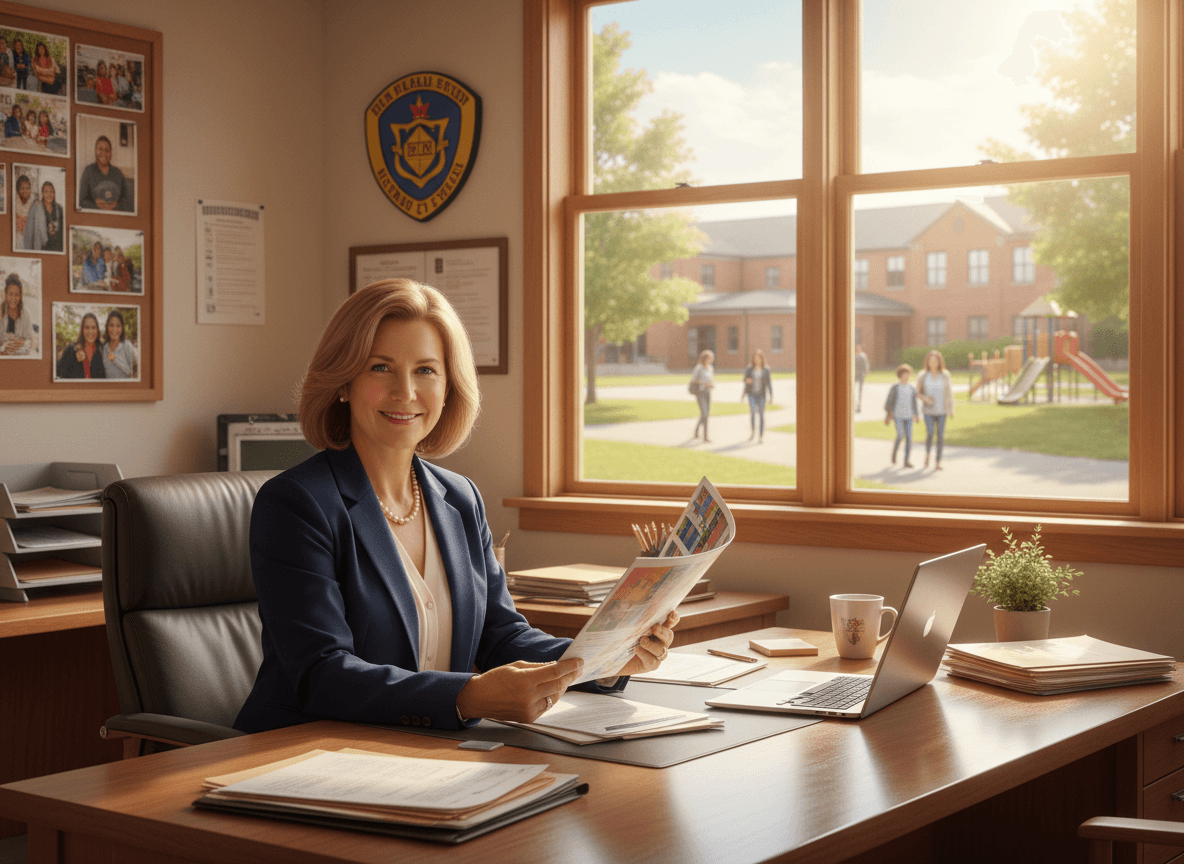
The principal's newsletter is the most widely read communication that comes home from any school. It carries institutional authority, shapes how families understand the school's direction, and sets the tone for every other communication the school sends. Done well, it builds trust, reduces confusion, and gives families the confidence that someone capable is running the building. Done poorly, it creates anxiety, generates questions that clog the front office, or simply gets ignored.
This guide covers what to include in a principal newsletter, how often to send it, and how to write in a way that leads rather than just informs.
The principal newsletter is a leadership document
Most school newsletters are reporting documents. They tell families what happened, what is coming up, and what they need to do. A principal newsletter should do those things, but it should also lead. It should tell families where the school is headed, why specific decisions were made, and how the school is thinking about what matters most for students.
Families who understand the school's direction are easier to bring along through changes. Families who receive only logistics updates are the ones who are blindsided when something changes and feel like decisions were made without them. The newsletter is your opportunity to explain your thinking before families have to ask.
How often should a principal send a newsletter
Weekly is too frequent for a principal's newsletter to carry weight. Monthly is the minimum for a school community to feel connected. The right frequency for most schools is bi-weekly: enough to stay current with the school calendar without overwhelming families or requiring so much writing that quality suffers.
The newsletter frequency signals something to families. A principal who sends a thoughtful bi-weekly newsletter signals that communication is a priority. A principal who sends something once a quarter signals the opposite. Match your frequency to your stated commitment to family engagement.
What to include in a principal newsletter
- A lead item that reflects your school's current focus. Every newsletter should open with something that reflects what the school is prioritizing right now. Academic achievement. School culture. A community partnership. A curriculum change. A staff initiative. The lead item tells families what the school considers most important this week or this month. It signals direction.
- Recognition of students and staff. Name students who have been recognized for something. Acknowledge staff achievements. Celebrate what is going well. Families who see their school treating people with recognition and dignity trust it more. This does not need to be long. two or three specific callouts per newsletter is enough.
- Logistics and need-to-know calendar items. What are families going to need to act on in the next two weeks? Return this form. Note this schedule change. Bring this item. Keep logistics organized in a clearly labeled section so families know where to scan. Do not bury action items inside narrative paragraphs.
- Context for decisions the school has made. When a policy changes, when a program is added or removed, when a staffing decision is announced. the newsletter is the right place to explain the rationale. Families who understand why a decision was made are less likely to resist it and more likely to support it. Give them the reasoning.
- A closing that is human, not corporate. Close with something genuine. A sentence about what you observed in the hallways that week. A reflection on what you are looking forward to. A direct acknowledgment that the work families are doing at home matters. Principals who write like people build more family trust than principals who write like institutions.
What to leave out of the principal newsletter
The principal newsletter loses authority when it becomes a catch-all for every school department's announcements. PTA fundraiser details, sports schedules, and cafeteria menus belong in a separate school-wide newsletter. not the principal's communication. Keep the principal newsletter focused on the principal's domain: school direction, culture, major decisions, and community-level communication.
Avoid over-explaining decisions that do not require explanation. Not every choice needs a paragraph of rationale. Reserve the in-depth explanation for decisions that carry real impact or that families might question without context.
Writing style and tone for school leaders
The principal's writing should be direct, confident, and warm. Avoid corporate language. "stakeholder engagement," "action items," "moving forward". in a communication that goes to families. Write as you would speak to a thoughtful parent you respect.
Short paragraphs. Plain sentences. Real information. "We made this change because..." instead of "This adjustment was made in order to optimize..." The families reading your newsletter will respond to clarity and honesty far better than to institutional polish.
Using Daystage for principal newsletters
Daystage lets you build a professional, structured principal newsletter quickly. Use blocks to organize your newsletter: lead item at the top, recognition section, logistics, decision context, and a closing paragraph. Subscriber lists let you send to the whole school community reliably, with analytics showing who opened and when. A consistent format each issue means families know what to expect and where to find what they need.
The newsletter reflects your leadership
Families form their impression of school leadership partly through the quality of the communication they receive. A principal who communicates clearly, consistently, and with genuine voice signals to families that someone capable and present is running the building. That impression compounds over time. Keep sending the newsletter.
Get one newsletter idea every week.
Free. For teachers. No spam.
Frequently asked questions
When should school principals send newsletters to parents?
Bi-weekly is the recommended frequency for most principals. Weekly is too frequent for the principal's newsletter to carry weight, and monthly is the minimum for families to feel connected. The newsletter frequency itself signals something: a principal who sends a thoughtful bi-weekly newsletter signals that communication is a real priority.
What should a school principal newsletter include?
Open with something that reflects what the school is prioritizing right now (a curriculum change, a culture initiative, a community partnership). Include two or three specific recognitions of students and staff. Organize need-to-know logistics in a clearly labeled section so families can scan quickly. Explain the rationale behind any significant decision families might question. Close with something human and genuine rather than corporate.
How often should school principals communicate with parents by newsletter?
Bi-weekly is the right cadence. A monthly newsletter is the minimum. The principal's newsletter is the most widely read communication that comes home from any school, and the frequency should match the school's stated commitment to family engagement. Sporadic quarterly communication signals the opposite.
What are common mistakes school principals make in parent newsletters?
Turning the principal's newsletter into a catch-all for every school department's announcements is the biggest mistake. PTA fundraiser details and cafeteria menus belong elsewhere. Keep the principal's newsletter focused on school direction, culture, and major decisions. A second mistake is using institutional language: 'stakeholder engagement' and 'moving forward' close families off rather than inviting them in.
What tool helps school principals send professional newsletters to the whole school community?
Daystage lets you build a structured principal newsletter quickly with the block editor: lead item at the top, recognition section, logistics, decision context, and a closing paragraph. Subscriber lists send to the whole school community reliably, and analytics show who opened and when, which is useful for assessing whether families actually received important communications.

Adi Ackerman
Author
Adi Ackerman is a former classroom teacher and curriculum writer with 8 years in K-8 schools. She writes about school communication, parent engagement, and what actually works in real classrooms.
More for Subject Teachers
Cheer and Dance Coach Newsletter: Communicating Season Events, Expectations, and Team Updates to Families
Subject Teachers · 6 min read
Instructional Coach Newsletter Guide: Communicating Professional Learning to Staff and Families
Subject Teachers · 7 min read
School Food Services Newsletter: Communicating Menus, Nutrition, and Lunch Program Updates to Families
Subject Teachers · 6 min read
Ready to send your first newsletter?
3 newsletters free. No credit card. First one ready in under 5 minutes.
Get started free