

School Dean Newsletter Guide: Communicating Discipline and Student Support
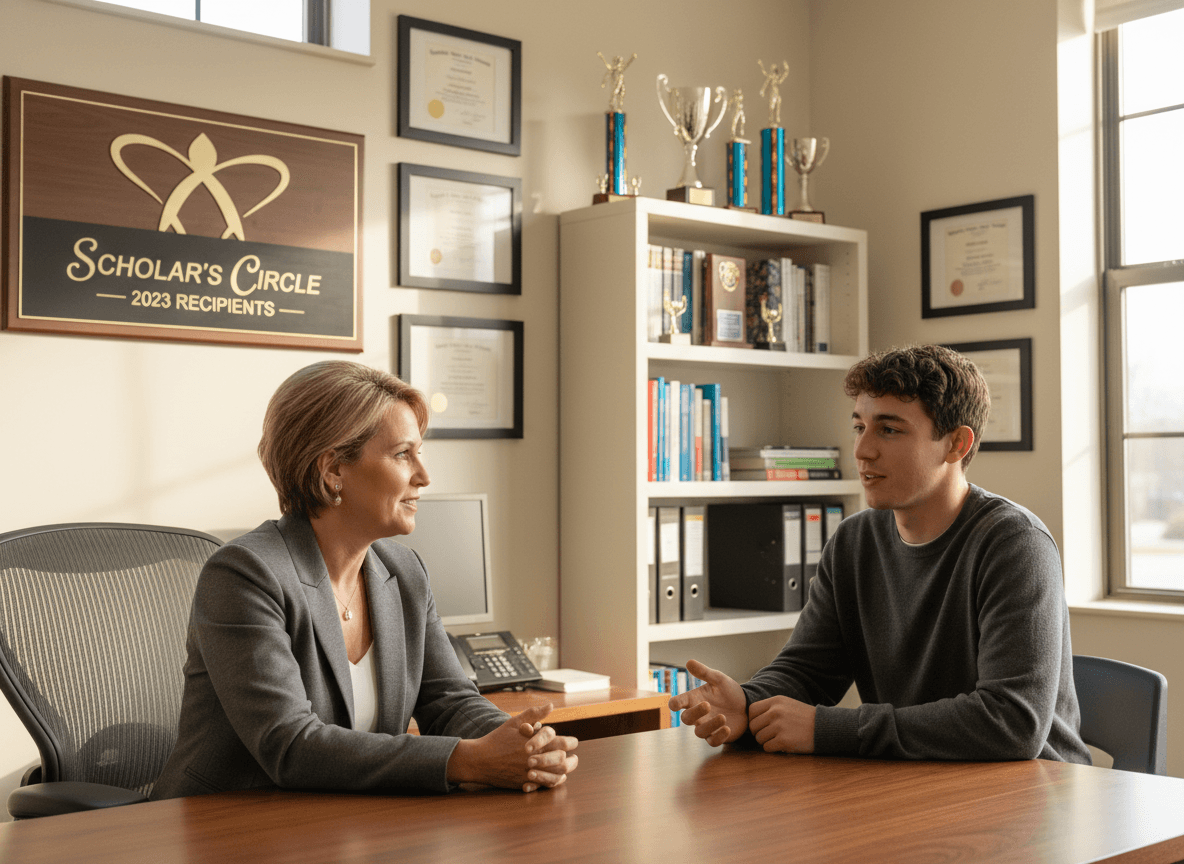
The school dean's relationship with families is often built entirely on the worst days. A dean is who families hear from when their child has been in a fight, skipped class, or violated a significant school rule. That reactive-only communication pattern means families associate the dean with problems, consequences, and bad news. and they are less likely to reach out proactively when their child is struggling before something serious happens.
A regular newsletter changes that. It establishes the dean as a consistent, accessible point of contact for the whole school community, explains how discipline and student support systems work, and builds the trust that makes difficult conversations. when they come. easier to navigate.
The dean newsletter reframes the role
Most families think of the school dean as the discipline officer. The actual role. depending on the school. often includes much more: student support coordination, mentorship, conflict mediation, restorative practices, attendance intervention, and crisis response. A newsletter gives you the chance to communicate that breadth.
"My role as school dean is to support every student in this building. not just the ones who end up in my office. I work with students on conflict resolution, attendance, social-emotional challenges, and the many situations that fall between classroom learning and formal counseling. If your child is struggling in any of these areas, I am a resource for your family." That framing positions you as someone families can reach before a crisis, not just after one.
What to include in a school dean newsletter
- How the discipline system works. before families need to know. Walk families through your school's discipline approach in plain language. What happens when a student is sent to the dean's office? What does a restorative conversation look like? When does a situation result in suspension versus a different consequence? Families who understand the process before their child is involved in it experience it differently than families who encounter it for the first time while worried and reactive. Explain it in the fall, before anyone needs the information.
- What restorative practices actually mean. Restorative discipline is widely used but poorly understood by families. "Restorative practices focus on repairing harm rather than only assigning punishment. When a student hurts someone or violates a community norm, we ask: what happened, who was affected, and how do we make it right? That conversation is often more powerful than a detention. and it teaches students something punishment alone does not." Families who understand this approach support it better and are less likely to push back on it as insufficiently punitive.
- Student behavior trends and what the school is addressing. If there is a pattern of behavior the dean is working on. chronic tardiness, a particular kind of conflict, phone misuse during class. the newsletter is an appropriate place to address it at the community level. "We have seen an increase in peer conflict during unstructured time this month. We are implementing additional supervision and mediation. Here is what we ask families to reinforce at home." That kind of proactive transparency builds trust.
- Recognition of students who have demonstrated growth. Deans who only communicate about problems create a one-dimensional impression. Recognizing students who have done hard restorative work, improved their attendance, or demonstrated leadership after a difficult start shows families that the dean's office is also a place where students succeed.
- How to reach the dean and when to call. Many families are unsure when it is appropriate to contact the dean directly. Be explicit. "You do not need to wait for a formal incident to contact me. If your child is struggling with a peer relationship, having a hard time in class, or is dealing with something at home that is affecting school, I am a resource. Reach me at [email/phone]." That invitation changes who calls you. and when.
Writing about discipline without sounding punitive
Discipline communication that leads with consequences creates a defensive posture in families. Write about your work in terms of what you are trying to build rather than what you are trying to prevent.
"We are building a school community where students can disagree without harm, repair relationships after conflict, and take responsibility for the impact of their choices" describes the same work as "we enforce the code of conduct," but it positions the school as a community builder rather than an enforcement body. Families engage differently with each framing.
When consequences are necessary, be clear and matter-of-fact rather than apologetic or harsh. "When a student's behavior causes harm to another student or disrupts the learning environment, consequences are part of our response. We use consequences as one tool among several, always in combination with a conversation about what happened and why." That balance is honest and professional.
Frequency and format
Monthly newsletters work well for school deans. The content is important but not always time-sensitive in the way classroom newsletters are. Monthly gives you space to reflect on what is happening in the school and address it thoughtfully. When something specific requires immediate family communication. a safety incident, a significant behavior trend, a policy change. send a standalone targeted message rather than holding it for the monthly newsletter.
Using Daystage for school dean communication
Daystage lets you build a professional, consistent monthly newsletter and send it to the whole school community reliably. Use the block editor to structure each newsletter clearly: what is happening in the school right now, how the discipline system works (one topic explained per issue), student recognition, how to reach me. A consistent monthly cadence means families read because they expect the communication to be useful.
The newsletter earns the trust that hard conversations require
The dean's conversations with families are almost always difficult. When a family has been receiving clear, warm, honest communication from you all year, they enter those conversations with more trust and more openness than families who are hearing from you for the first time in a crisis. That trust is built through ten monthly newsletters that most families will never need to act on. Keep sending them anyway.
Get one newsletter idea every week.
Free. For teachers. No spam.
Frequently asked questions
When should school deans send newsletters to parents?
Monthly newsletters work well for school deans. The content is important but not always time-sensitive. Monthly gives you space to reflect on what is happening in the school and address it thoughtfully. When something requires immediate communication (a safety incident, a significant behavior trend), send a standalone targeted message rather than holding it for the monthly newsletter.
What should a school dean newsletter include?
Explain how the discipline system works before families need to know it, specifically what happens when a student is sent to the dean and what restorative practices actually mean. Address any student behavior patterns the school is currently addressing at the community level. Recognize students who have demonstrated growth, improvement, or leadership. Always include a clear invitation to reach out and explicit guidance on when to call, so families know you are a resource before a crisis.
How often should school deans communicate with parents by newsletter?
Monthly is the recommended frequency. A consistent monthly newsletter builds the trust that makes difficult conversations easier when they happen. Families who have been receiving clear, warm communication from the dean all year enter a discipline conversation with more openness than families who are hearing from you for the first time in a crisis.
What are common mistakes school deans make in parent newsletters?
Leading with consequences and rules creates a defensive posture in families before they have even read the newsletter. Write about discipline in terms of what you are building (a community where students can repair relationships and take responsibility) rather than what you are policing. A second mistake is communicating only about problems and never recognizing students, which makes the dean's name synonymous with bad news.
What tool helps school deans send consistent monthly newsletters to the school community?
Daystage lets you build a professional monthly newsletter with the block editor: discipline system explanation (one topic per issue), current school culture update, student recognition, how to reach you. Subscriber lists ensure every family receives the communication reliably each month, which compounds the trust-building effect over the course of the year.

Adi Ackerman
Author
Adi Ackerman is a former classroom teacher and curriculum writer with 8 years in K-8 schools. She writes about school communication, parent engagement, and what actually works in real classrooms.
More for Subject Teachers
Foreign Language Teacher Newsletter: Connecting World Language Learning to Families
Subject Teachers · 7 min read
School Counseling Intern Newsletter: Introducing Yourself and Your Role to Students and Families
Subject Teachers · 6 min read
School Transportation Director Newsletter: Communicating Routes, Safety, and Changes to Families
Subject Teachers · 6 min read
Ready to send your first newsletter?
3 newsletters free. No credit card. First one ready in under 5 minutes.
Get started free