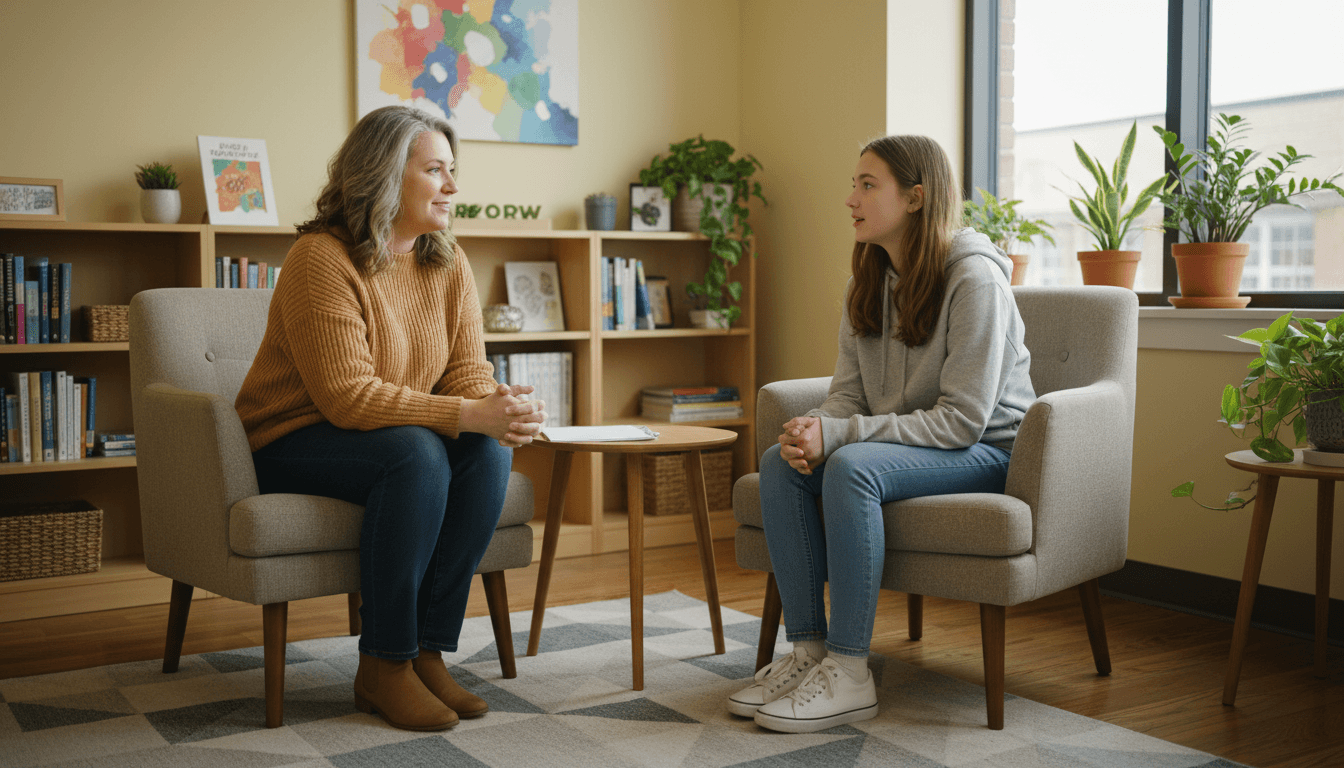
School Counselor Newsletter Guide: Communicating Mental Health Support to Families
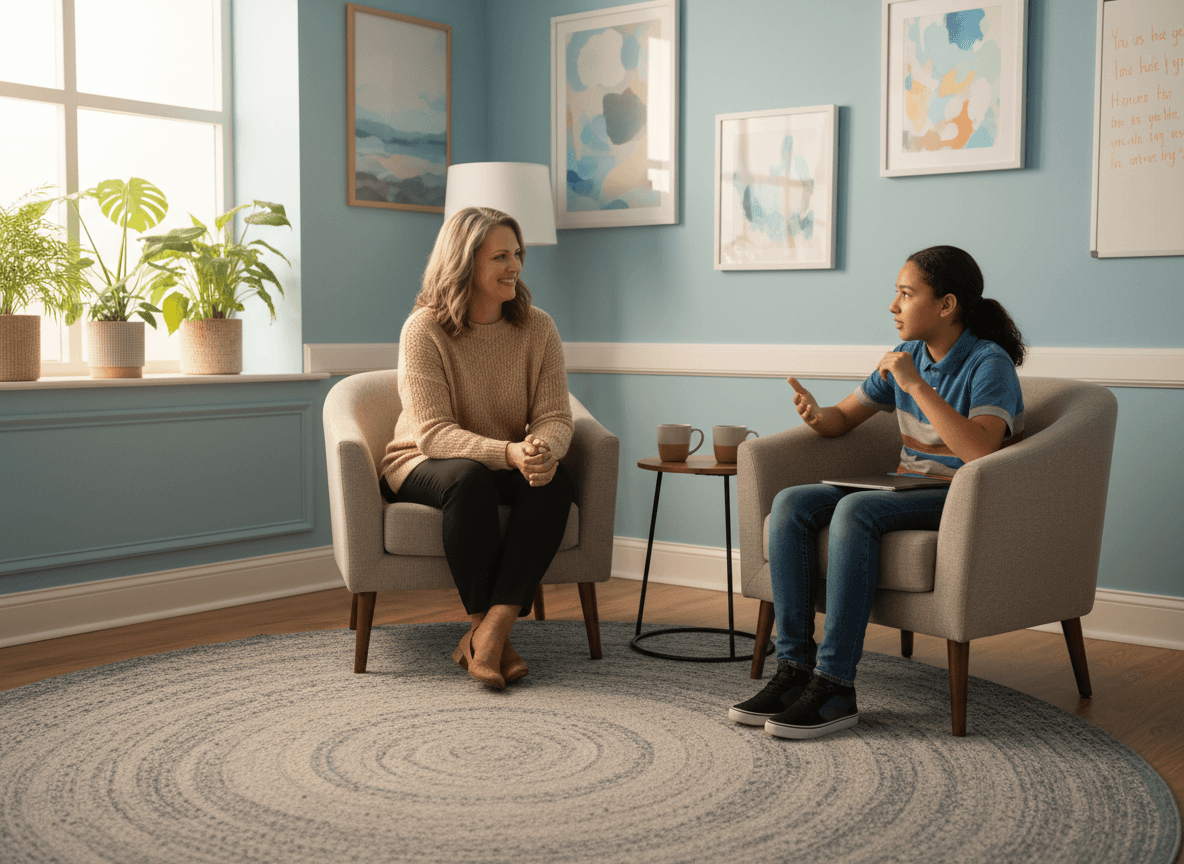
School counselors carry a communication challenge that most other school staff do not. The work you do — supporting students through anxiety, grief, social conflict, academic stress, and personal crises — is exactly what families most want to know about and most hesitant to ask about. A consistent counselor newsletter bridges that gap. It tells families what support exists, how to access it, and how to recognize when their child needs it.
This guide covers what to put in a school counselor newsletter, how often to send it, and how to write about mental health topics in a way that informs rather than alarms.
Why school counselors need their own newsletter
Many counselors rely on the school's general newsletter to mention their programs. That works for logistics, but it does not build the kind of relationship that makes families comfortable reaching out when their child is struggling. A counselor newsletter — sent directly from you, focused on student wellbeing — signals that your door is open and that mental health is treated as a normal part of school life, not a crisis category.
Families who receive regular, warm, informative communication from the school counselor are more likely to reach out early, before a situation becomes a serious problem. That early contact is far easier to work with than a situation that has been building for weeks because a family did not know help was available.
How often to send a counselor newsletter
Monthly works well. School counselors are not sending daily updates — they are sending information that families absorb over time. A monthly newsletter tied to what students are likely experiencing that month (back-to-school anxiety in September, holiday stress in December, testing anxiety in March) stays relevant without overwhelming families.
When a specific event requires communication — a community loss, a safety incident, a spike in referrals for a particular issue — send a focused standalone message rather than waiting for the next monthly newsletter.
What to include in each counselor newsletter
- What students are experiencing right now. Ground each newsletter in the current moment. "We are in the middle of testing season, and many students are feeling the pressure. This is normal. Here is what that pressure looks like and what you can do at home." That kind of framing makes the newsletter immediately useful.
- One topic explained clearly. Pick one mental health or social-emotional topic per newsletter and explain it well. Anxiety. Friendship conflict. Grief. Academic pressure. Sleep and mood. Write at a level that gives families real understanding, not just a definition. Parents who understand what their child is experiencing can provide better support at home.
- How to access counseling services. Every newsletter should include a brief, plain-language reminder: how families can request a counselor meeting, how students can self-refer, and what the referral process looks like. Many families do not know how to access support. Tell them every single time.
- What you are doing in classrooms or groups. If you are running a social skills group, facilitating classroom lessons on emotion regulation, or running a grief support group, mention it. Families feel more connected to school support services when they know what is actually happening.
- A resource families can use at home. A book recommendation, a conversation starter, a breathing technique, a link to a reputable mental health resource. One per newsletter. Keep it concrete and immediately usable.
Writing about mental health without causing fear
The language you choose in a counselor newsletter matters more than almost any other school communication. Words like "crisis," "danger," and "serious concerns" can trigger parental anxiety that gets in the way of the message. Use plain, calm, matter-of-fact language.
"Some students struggle with anxiety around exams. This is common and manageable" lands differently than "We are seeing a concerning rise in anxiety among our student population." Both may reflect reality, but one opens a conversation and the other closes it with worry.
Normalize help-seeking throughout every newsletter. "Coming to see the school counselor is something students do for many reasons — not just when things are very hard. Students stop by to talk through a friendship problem, manage stress before a test, or just have a quiet place to think." That framing removes stigma before families have to confront it.
Topics that work well across the school year
September: back-to-school anxiety and social adjustment. October: building friendships and belonging. November: managing family stress around the holidays. January: returning from break and setting goals. February: social dynamics and peer pressure. March through April: test anxiety and performance stress. May: end-of-year transitions and summer readiness.
Each of these is a topic families are already thinking about. Your newsletter confirms that the school is thinking about it too — and has support in place.
Using Daystage to send counselor newsletters
Daystage lets you build a clean, professional newsletter without needing technical skills. Use the block editor to organize your content: current topic at the top, what families can do next, how to reach you, and one resource. Subscriber lists let you send to the whole school or to specific grade levels when your content is age-specific. A consistent visual format each month helps families recognize your communication and read it instead of skimming past it.
The counselor newsletter builds the relationship before the crisis
The newsletter's real value is not in the information it delivers. It is in the relationship it builds over time. Families who have been receiving warm, useful, clear communication from you all year will call you when something is wrong. Families who have never heard from you will hesitate. Keep sending the newsletter. The student who needs you most may have parents who only knew to reach out because they had been reading your messages for months.
Ready to send your first newsletter?
40 newsletters per school year, free. No credit card. First one ready in under 5 minutes.
Get started free