

Outdoor Education Teacher Newsletter: Communicating Field Programs, Safety, and Learning in Nature to Families
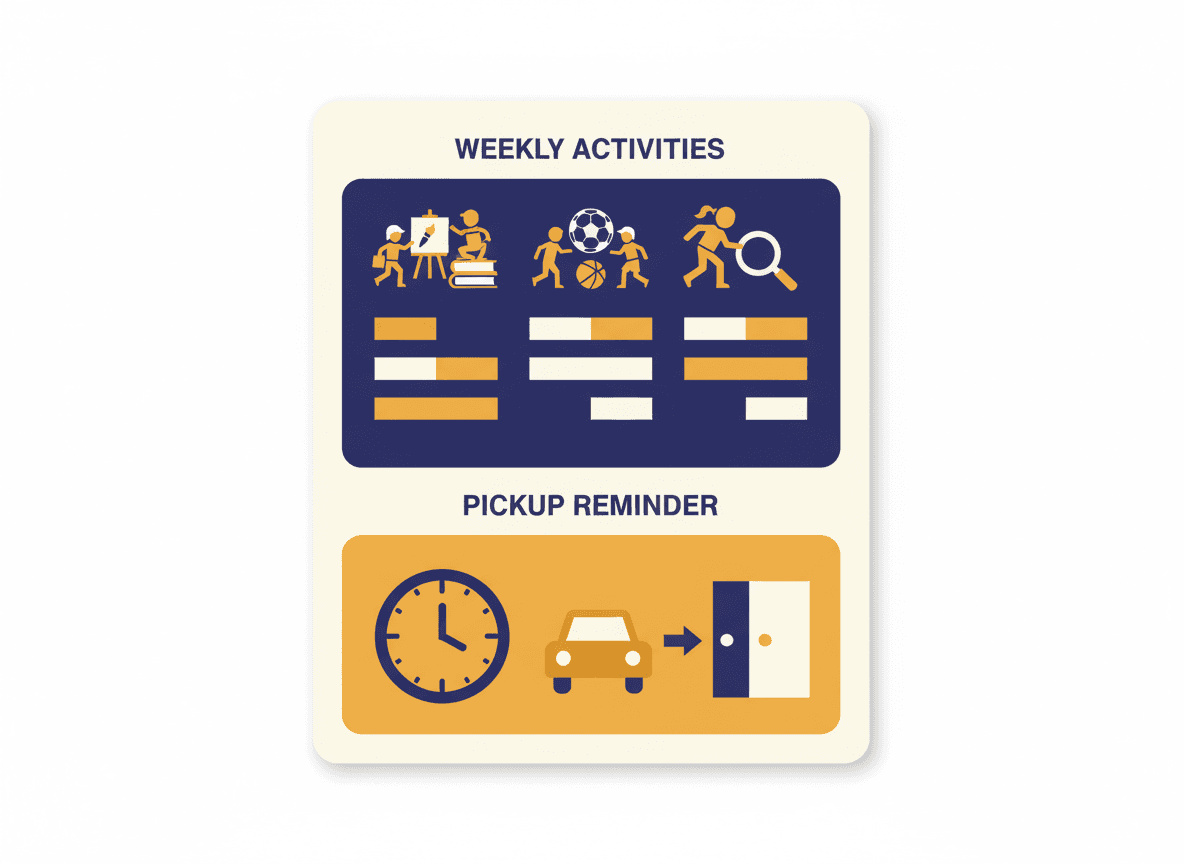
Outdoor education programs face a communication challenge that most school programs do not: families need to understand why their child is in a muddy streambed learning ecology instead of at a desk, what the academic purpose is, and whether it is safe. A newsletter that addresses those questions proactively turns skeptical or uncertain parents into enthusiastic supporters. Families who understand what outdoor education is and why it matters become the program's strongest advocates.
This guide covers what to include in an outdoor education newsletter, how to communicate safety and curriculum together, and how to build family understanding of a program that often feels different from anything families experienced in their own schooling.
Connecting outdoor learning to academic standards
The most important thing an outdoor education newsletter can do is make the curriculum visible. Every outdoor activity should be connected explicitly to the academic standard or skill it addresses. "Last week students completed a canopy survey of the east woods, identifying and recording six tree species. This activity covers the biology curriculum standard on native plant communities and practices the data collection skills used in lab science." That one paragraph tells families that this is school, not recreation.
Build this connection into every newsletter. Not just occasionally as justification, but as a consistent frame. Families who see curriculum connections in every issue stop wondering whether outdoor education is rigorous and start understanding it as a distinctive form of rigorous learning.
Safety communication that builds rather than reduces confidence
Safety concerns are the most common hesitation families have about outdoor programs. The most effective response is specific, factual information: the staff-to-student ratio, the first aid certifications held by program staff, the communication plan when students are in areas with limited phone coverage, the weather cancellation protocols, and what to do in various emergency scenarios. Families who receive this information are more confident, not less, about sending their child into the field.
Before any overnight trip, wilderness experience, or activity in a remote location, send a dedicated safety briefing section in your newsletter. Cover what safety measures are in place, what the emergency contact protocol is, and what experience the staff leading the activity have. That briefing, once in writing and archived, is also your documentation that you communicated safety information to families.
Pre-trip communication that prevents day-of chaos
Outdoor trips involve more logistics than a typical school day, and families who are not well-prepared create drop-off confusion, forgotten gear, and last-minute calls to the office. A dedicated pre-trip newsletter three weeks out covers everything: packing list, clothing requirements by weather scenario, what food to pack or whether meals are provided, transportation arrangements, drop-off and pickup logistics, and what students will experience during the trip.
A reminder the week before the trip with a checklist format helps families double-check that their student is ready. Families who receive this kind of organized communication feel more confident about the program and have fewer questions on the day.
Sharing student experiences from the field
One of the most powerful sections of an outdoor education newsletter is a description of what students actually experienced on a recent field day. Not a lesson summary. An experience summary. "On Thursday, the group found a juvenile wood frog in the pond margin and spent 20 minutes observing its behavior, sketching it in their nature journals, and looking it up in the field guide. That unplanned encounter was more engaging than any planned lesson could have been." Stories like this tell families what their students are experiencing and why it matters in ways that curriculum standards cannot capture.
Including student work when possible, field journal sketches, measurement data charts, or nature observation notes, makes the learning tangible. Families who see what their student produced in the field understand the program at a different level.
Gear and clothing communication for new families
Families new to outdoor education programs often do not know what to send with their student or how to dress them for variable weather. Your first newsletter of the year should include a gear guide: what students need for regular field days, what to invest in if the program includes extended outdoor time in cold weather, and what the school provides. Include the school's policy on gear that gets wet or muddy. A family who knows that rain pants will come home dirty and that this is expected is not the family calling you frustrated after a muddy field day.
Using Daystage for outdoor education newsletters
Daystage supports image-based newsletters, which is ideal for outdoor programs where a photograph of students collecting macroinvertebrates communicates more than a paragraph of description. Build your monthly template, include a photo or two from recent field experiences, and send to your program subscriber list. Families who receive consistent, visually engaging communication about what students are doing outdoors become your most enthusiastic allies when it comes time to advocate for the program's budget and continuation.
Get one newsletter idea every week.
Free. For teachers. No spam.
Frequently asked questions
What should an outdoor education teacher newsletter include?
Cover what students are learning in the field program this month, how the outdoor curriculum connects to academic standards, safety protocols for upcoming field experiences, and what gear or clothing students need. Families are more willing to send their child into a muddy forest when they understand what the learning purpose is and what precautions are in place.
How often should an outdoor education teacher send newsletters?
Monthly is a good baseline, with additional issues before any overnight field experience, wilderness trip, or major off-campus program. Families who are managing logistics for a multi-day trip need more advance communication. A dedicated pre-trip newsletter three weeks out covering packing lists, safety protocols, and what students will experience reduces family anxiety and logistical confusion.
How do I address parent safety concerns about outdoor learning without being defensive?
Acknowledge the concern, then be specific and factual about what safety measures are in place. The number of adults per student, the first aid certifications held by staff, the communication plan for remote areas, the weather protocols. Families who receive specific safety information accept more risk tolerance than families who are told the outdoor program is safe without any substantiation.
How do I communicate the academic value of outdoor education to skeptical families?
Connect every outdoor activity to a specific academic standard or skill. A stream ecology unit covers biology curriculum standards on ecosystems. A trail navigation activity covers geometry and spatial reasoning. Nature journaling builds observational writing skills. Families who see the curriculum connection stop asking whether students are missing real school and start seeing outdoor education as school.
Can Daystage handle the visual-heavy communication style of an outdoor education program?
Yes. Daystage newsletters support images alongside text, which is ideal for an outdoor program where a photo of students identifying plant species or measuring soil composition communicates more than a paragraph of description. A visually engaging newsletter reflects the nature of the program and resonates with families who want to see what their student is experiencing.

Adi Ackerman
Author
Adi Ackerman is a former classroom teacher and curriculum writer with 8 years in K-8 schools. She writes about school communication, parent engagement, and what actually works in real classrooms.
More for Subject Teachers
Instructional Coach Newsletter Guide: Communicating Professional Learning to Staff and Families
Subject Teachers · 7 min read
School Garden Teacher Newsletter: Communicating Seasonal Activities, Curriculum Connections, and Harvest Events
Subject Teachers · 6 min read
School Social Worker Newsletter: Communicating Community Resources and Family Support Services
Subject Teachers · 7 min read
Ready to send your first newsletter?
3 newsletters free. No credit card. First one ready in under 5 minutes.
Get started free