
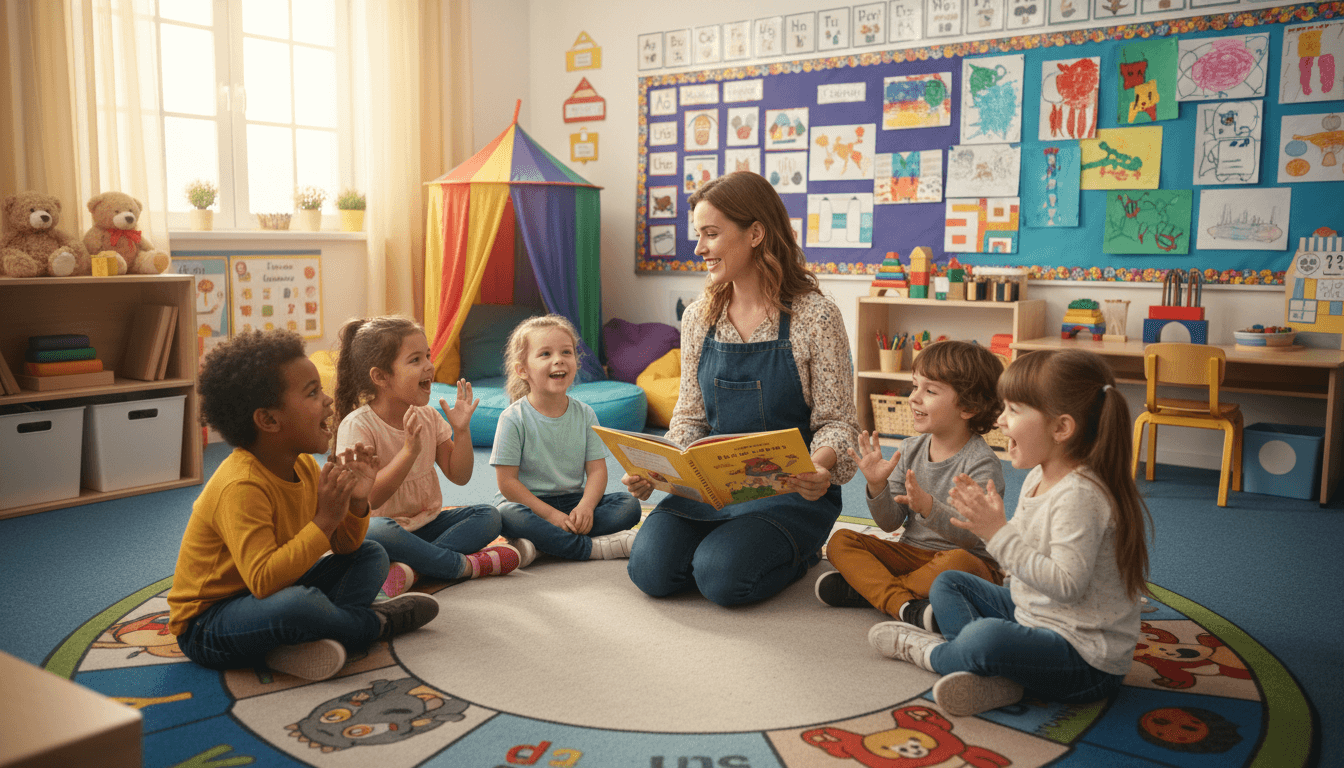
Kindergarten Newsletter Guide: What to Tell Parents in the First Year of School
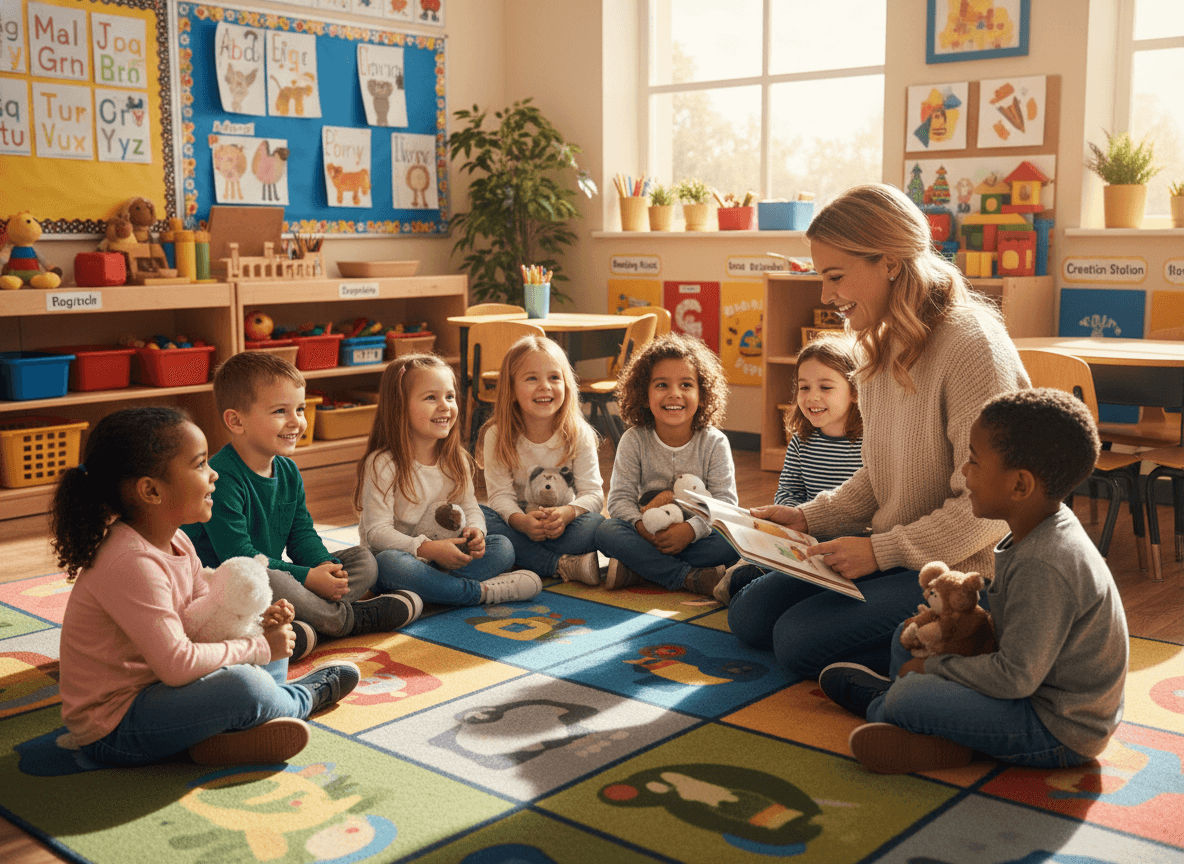
Kindergarten families are among the most anxious and most engaged audiences a teacher will ever communicate with. Most are sending their child to school for the first time. They have a thousand questions, a significant amount of worry, and an intense desire to be involved. The kindergarten newsletter is your primary tool for channeling that energy productively. answering questions before they are asked, explaining how early childhood learning works, and giving families a meaningful role at home without overwhelming them.
This guide covers what to include in a kindergarten newsletter, how to address first-year family anxiety without dismissing it, and how to make your communication a genuine resource for families navigating their child's first year of school.
Why kindergarten newsletters require a different approach
Second-grade families have been through this before. They know the rhythm of school, understand what report cards mean, and have a baseline for what is normal. Kindergarten families do not. Everything is new. When their child comes home crying, they worry. When their child does not read by October, they worry. When they see their child playing during learning time, they question whether anything academic is happening.
Your newsletter's first job is to make the invisible visible. Explain what is happening in the classroom and why. Give families the framework they need to interpret what their child tells them at home and what they see at pickup. Families who understand kindergarten development worry less and support better.
What to include in a kindergarten newsletter
- What students are learning this week, and how. Be specific and visual. "This week we are learning to recognize our classmates' names in print. We are using name cards, name puzzles, and morning meeting activities to build this skill." That level of specificity tells families what to look for, what to ask about, and what is intentional about what their child is describing at home. "We just played" becomes "we were learning letter recognition through play."
- Why play is learning. Kindergarten families who see children playing during school time often worry that academic work is being skipped. Address this directly in your first newsletter and revisit it periodically throughout the year. Explain the research behind play-based learning in plain language. "When children build with blocks, they are developing spatial reasoning, math concepts, and collaborative problem-solving. This is not free time. It is structured learning." Say it plainly. Families respond to honesty.
- What to expect in terms of development. Reading readiness varies by up to two years in kindergarten. Not every child will read by December, and that is normal. Tell families this early and specifically. The parent who knows that a wide range of skill levels is developmentally appropriate in kindergarten worries less and compares less. Give them the information they need to trust the process.
- One thing families can do at home. Read together every night. Practice name writing. Count objects during dinner. Identify letters on cereal boxes. One specific, low-effort activity per newsletter is far more actionable than a general instruction to "support literacy at home." Be concrete.
- Logistics and schedule reminders. Arrival and dismissal procedures. What to bring in the backpack. When library books are due. Show and tell schedules. Kindergarten families need more logistical guidance than any other grade level. Put the key logistics in every newsletter and keep them organized in a clearly labeled section.
Addressing separation anxiety and adjustment
Separation anxiety is real for both children and parents in the first weeks of kindergarten. Your newsletter can acknowledge this without amplifying it. "It is completely normal for children to cry at drop-off in the first few weeks. Most children settle within a few minutes of you leaving. Trust the process, and know that we will contact you if your child is having an unusually difficult time."
That kind of direct, warm acknowledgment tells families that you see their experience, that it is normal, and that you are in control. It also reduces the number of families who linger at pickup wanting reassurance about something you already addressed in the newsletter.
Frequency and length
Weekly newsletters work well for kindergarten, especially in the first half of the year when families are still learning the rhythm. In the second half of the year, bi-weekly may be enough as families settle into school routine. Keep newsletters short. two to four blocks of content. Kindergarten parents are busy and often managing young siblings. A newsletter they can read in three minutes will be read. A newsletter that takes ten minutes will be skimmed.
Using Daystage for kindergarten communication
Daystage's block editor makes it easy to structure a weekly kindergarten newsletter: learning focus, why it matters, home activity, logistics. The consistent format means families know what to look for and develop a habit of reading. Subscriber lists ensure your newsletter reaches every family, even those who miss paper notes that come home in backpacks. Photo blocks let you share classroom moments that help families feel connected to a space they cannot visit every day.
The kindergarten newsletter builds the foundation for years of school partnership
The communication habits families develop in kindergarten often persist for years. Families who learn in kindergarten that school communication is reliable, useful, and honest become the engaged families that teachers value in every grade after. Build that habit now. Keep sending the newsletter.
Get one newsletter idea every week.
Free. For teachers. No spam.
Frequently asked questions
When should kindergarten teachers send newsletters to parents?
Weekly newsletters work well in the first half of the year when families are still learning the rhythm of school. In the second half, bi-weekly is often enough as families settle into routines. Early and frequent communication matters most in kindergarten, since parents are navigating school for the first time alongside their child.
What should a kindergarten teacher newsletter include?
Cover what students are learning this week and how, with specific details that turn 'we played' into 'we were learning letter recognition through play.' Explain why play is learning in plain language, describe normal developmental ranges so families do not panic when their child is not reading by October, give one low-effort home activity, and always include organized logistics like arrival procedures, what to bring, and library due dates.
How often should kindergarten teachers communicate with parents by newsletter?
Weekly in the first half of the year, bi-weekly in the second. Keep newsletters short: two to four content blocks that parents can read in three minutes. Kindergarten parents are managing young siblings and complicated schedules. A newsletter they can read quickly will be read. A newsletter that takes ten minutes will be skimmed.
What are common mistakes kindergarten teachers make in parent newsletters?
Skipping the 'why play is learning' explanation is the most common mistake. Without this framing, parents who see their child playing during school time assume academic work is not happening. A second mistake is burying logistics inside narrative paragraphs rather than keeping them in a clearly labeled section where anxious parents can find them quickly.
What tool helps kindergarten teachers send reliable weekly newsletters?
Daystage's block editor lets you build a structured weekly newsletter quickly: learning focus, why it matters, home activity, logistics. A consistent weekly format means families know what to look for and develop a habit of reading. Subscriber lists ensure reliability across the whole class, without depending on backpacks.

Adi Ackerman
Author
Adi Ackerman is a former classroom teacher and curriculum writer with 8 years in K-8 schools. She writes about school communication, parent engagement, and what actually works in real classrooms.
More for Subject Teachers
School Dean Newsletter Guide: Communicating Discipline and Student Support
Subject Teachers · 6 min read
Second Grade Teacher Newsletter Guide: Communicating the Transition to Independent Learning
Subject Teachers · 6 min read
Art Teacher Newsletter to Parents: How to Share Creative Learning With Families
Subject Teachers · 6 min read
Ready to send your first newsletter?
3 newsletters free. No credit card. First one ready in under 5 minutes.
Get started free