

January Math Class Newsletter: What We Are Learning
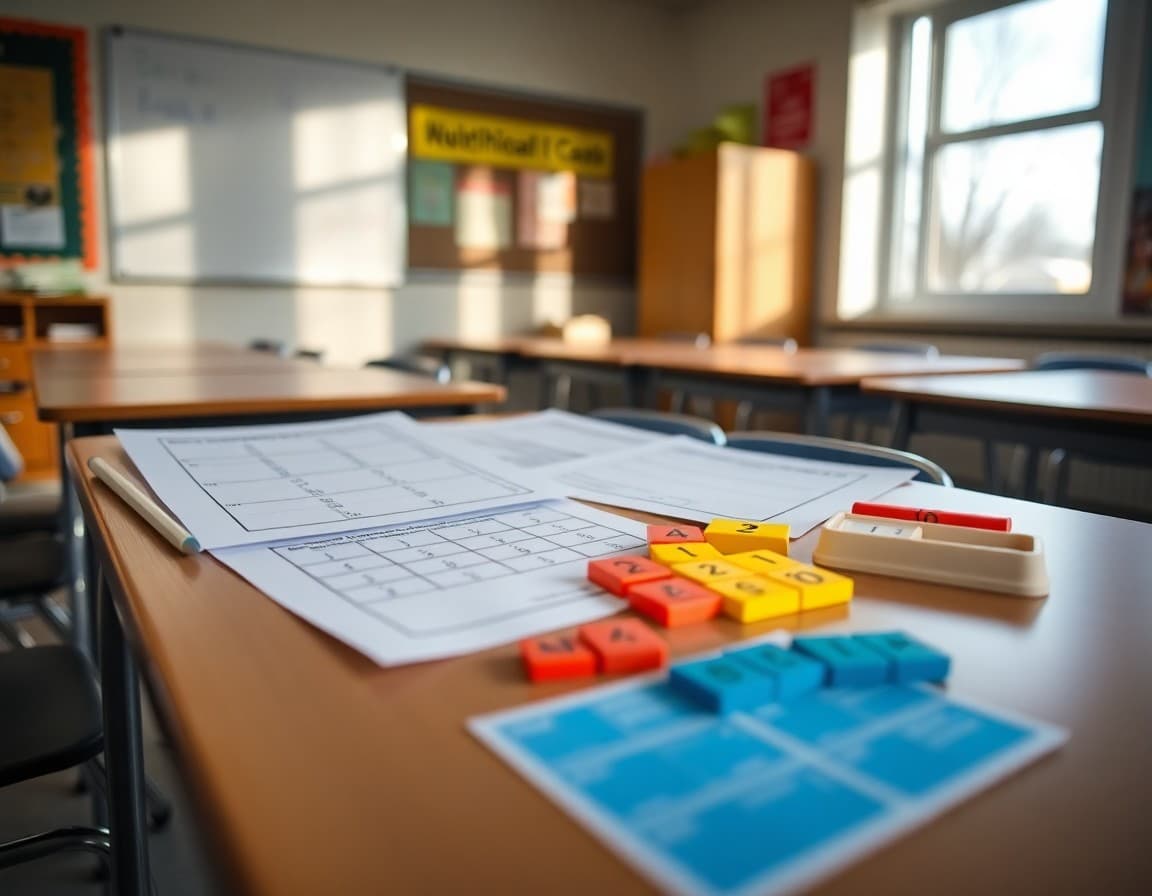
January feels like a second first day of school. Students come back from winter break with some rust, and parents who were highly engaged in September have moved on to other priorities. A well-timed January math newsletter re-establishes the routine, sets expectations for the second semester, and reminds families that the most important learning is still ahead.
Acknowledge the Break Without Dwelling on It
One sentence is enough: "Welcome back, and happy new year." Then move forward. Parents do not need a paragraph about the holidays. What they need is a clear picture of what is starting now and what it will demand from their child and from them.
Introduce the Second Semester Focus
January is a logical place to give parents the big picture for January through May or June. You do not need to detail every unit, but naming two or three major topics that will dominate the second half of the year helps families understand the trajectory. It also reduces surprise when the content shifts significantly in February or March.
Name the January Unit and Learning Goal
As always, be specific. If you are starting fractions, tell parents what fraction skills you are building and what students should understand by the end of January. If you are continuing a unit that started before break, acknowledge that and tell them where the class picks up. A clear learning target is the most useful thing you can put in any monthly newsletter.
A Template Excerpt for January
Here is a section to adapt:
"We are kicking off the new year with our fractions unit. Students will spend January building a solid understanding of what a fraction actually represents: equal parts of a whole. We will use fraction bars, number lines, and real objects before we ever write a fraction on paper. By the end of January, students should be able to identify, compare, and order simple fractions. If your child is working on fraction homework and feeling stuck, ask them to draw a picture of the problem rather than jumping to the number."
Reset Homework Expectations
If homework routines slipped in December, January is the time to reset them. Remind families of your homework policy, how much time assignments should take, and what to do if something takes too long. A fresh start works best when everyone knows the expectations again.
Preview Major Assessments for the Semester
Give parents a rough timeline of what is coming: a unit test in late January, a project in March, state testing in April if applicable. Families who can see the road ahead plan better. They also feel less blindsided when you send a study guide on short notice.
Address the Winter Slide Practically
Two weeks away from math practice makes a difference, especially for fluency skills. Suggest one easy way to rebuild speed over the first week back. For younger students, counting objects at home or running through addition facts at dinner takes five minutes and genuinely helps. Keep the ask small.
Close With Your Contact Information
End with a warm invitation to reach out. January is a good time to offer a brief check-in for parents who want one, especially if you send report cards in December and some families have questions. A simple "I am happy to schedule a quick call anytime this month" goes a long way.
Get one newsletter idea every week.
Free. For teachers. No spam.
Frequently asked questions
What should I include in a January math newsletter after winter break?
Start with a brief acknowledgment that winter break happened, then move directly into the new semester plan. Tell parents the unit you are starting, what skills it builds on from fall, and what the major milestones are for the second half of the year. January is also a good time to reset homework expectations if those slipped in December.
How do I address the winter slide in my January newsletter?
Be honest but not alarming. Note that most students need a few days to get back up to speed after two weeks off, and that a short review of key facts or skills at home over the first weekend back can make a real difference. Keep the tone practical, not worried.
Should I set new goals in a January math newsletter?
Yes, brief goals work well in January. You might name one fluency target for the semester, like mastering all multiplication facts by March, and tell parents how you will track progress. Goals give families something concrete to support at home without requiring a lot of explanation from you.
How do I keep parents engaged in the second semester when the novelty has worn off?
Tie each newsletter to something specific and upcoming. An assessment date, a project launch, or a new unit creates relevance. Parents open newsletters when they believe there is something actionable inside, so lead with what they need to know right now rather than general updates.
How can Daystage help with monthly newsletters?
Daystage makes it easy to save a January template and update it each year. You write your newsletter, send it to your parent list, and track who has opened it. The platform handles formatting so the newsletter looks clean whether parents read it on a phone or laptop.

Adi Ackerman
Author
Adi Ackerman is a former classroom teacher and curriculum writer with 8 years in K-8 schools. She writes about school communication, parent engagement, and what actually works in real classrooms.
More for Subject Teachers
Ready to send your first newsletter?
3 newsletters free. No credit card. First one ready in under 5 minutes.
Get started free