

How to Write a Spanish Teacher Newsletter to Parents That Builds Engagement
Language Learning Newsletters Require a Different Approach
Spanish newsletters serve parents who have varying relationships with the language. Some are native or heritage speakers. Some studied it in school. Some have no exposure at all. Write for the parent who knows no Spanish and the others will be well served too. Your newsletter should make language learning feel accessible and relevant, not intimidating or academic.
Explain Proficiency Over Performance
Many parents evaluate language learning by whether their student can have a conversation. That is a reasonable instinct but it does not capture the full picture of language acquisition. Use your newsletter to explain the proficiency framework you use: novice, intermediate, and advanced levels with plain-language descriptions of what each means. Parents who understand proficiency levels interpret their student's progress more accurately.
Include Vocabulary and Phrases From the Current Unit
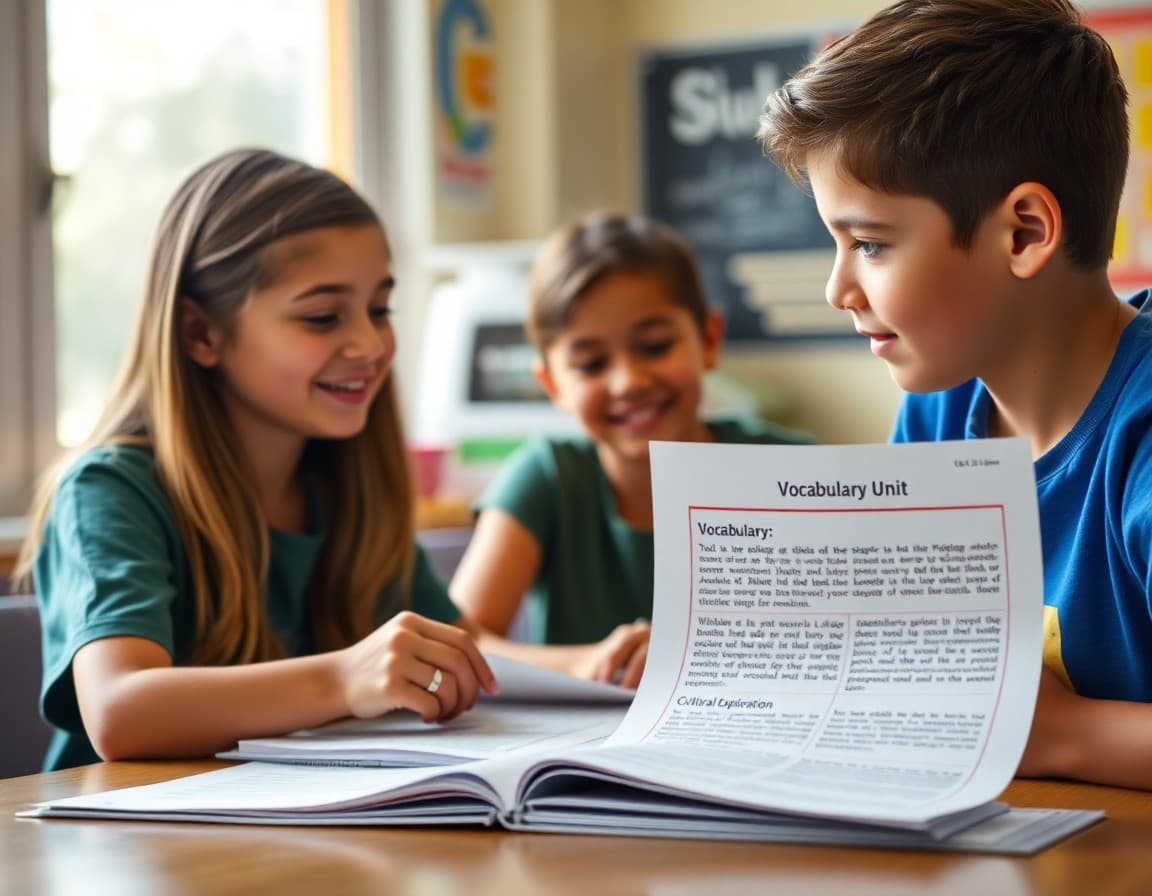
Every newsletter should include at least three to five key vocabulary words or phrases from the current unit with English translations. This takes 60 seconds to write and gives parents something concrete to try with their student. "Ask your student how to say 'I need help' in Spanish" is the most practical home engagement suggestion in any language class newsletter.
Highlight the Cultural Dimension
Language class is also culture class. When you study a cultural topic, put it in the newsletter with specifics: which country or region, what the cultural practice or tradition involves, and why it is significant. Parents who understand that Spanish class covers Mexican Dia de los Muertos, Argentine tango history, or Peruvian culinary traditions see the curriculum as rich and multidimensional rather than just grammar drills.
Communication About Speaking and Oral Assessments
Speaking assessments are often the most anxiety-producing assessment type for language learners. When you have an oral exam, speaking presentation, or conversation partner activity coming up, tell parents about it in the newsletter. Explain what it involves, when it is happening, and how students can prepare at home. Parents who know about a speaking assessment can help their student practice. Parents who do not know are sometimes surprised when their student comes home rattled after a speaking test.
Close With a Language Activity for Home
Every newsletter should end with one Spanish language activity families can try at home. Watch a short clip of a Spanish-language show together. Look up the Spanish words for items in one room of the house. Ask your student to order their next meal at a restaurant in Spanish. Simple, low-stakes language exposure at home accelerates acquisition in ways that class time alone cannot.
Get one newsletter idea every week.
Free. For teachers. No spam.
Frequently asked questions
How do I explain Spanish proficiency levels to parents who do not know the language?
Use the ACTFL or CEFR framework descriptors in plain language. A Novice Mid student can name familiar objects and answer simple questions. An Intermediate Low student can handle routine situations and basic conversations. A parent does not need to speak Spanish to understand what those descriptions mean.
Should Spanish newsletters include Spanish words or phrases?
Yes, briefly. Including one or two key vocabulary words or phrases from the current unit with their English translation makes the newsletter feel like a genuine window into the class. It also gives parents something to practice with their student.
How should Spanish newsletters address the cultural component of the curriculum?
Specifically and with genuine interest. Name the country or region, the cultural practice or tradition being studied, and why it is part of the curriculum. Cultural context makes language learning three-dimensional and parents respond to it positively.
How often should Spanish teachers send newsletters?
Monthly works for most world language classes. Add an extra send before any major assessment, speaking exam, or cultural project deadline. Eight to ten newsletters per year keeps families informed without overwhelming them.
What tool helps Spanish teachers send newsletters to all families efficiently?
Daystage is designed for teacher-to-family communication. You can build a structured newsletter with vocabulary highlights, cultural topics, and assessment updates, then send to all Spanish class families in one step.

Adi Ackerman
Author
Adi Ackerman is a former classroom teacher and curriculum writer with 8 years in K-8 schools. She writes about school communication, parent engagement, and what actually works in real classrooms.
More for Subject Teachers
Ready to send your first newsletter?
3 newsletters free. No credit card. First one ready in under 5 minutes.
Get started free