

How to Write a Drama Teacher Newsletter to Parents That Builds Support
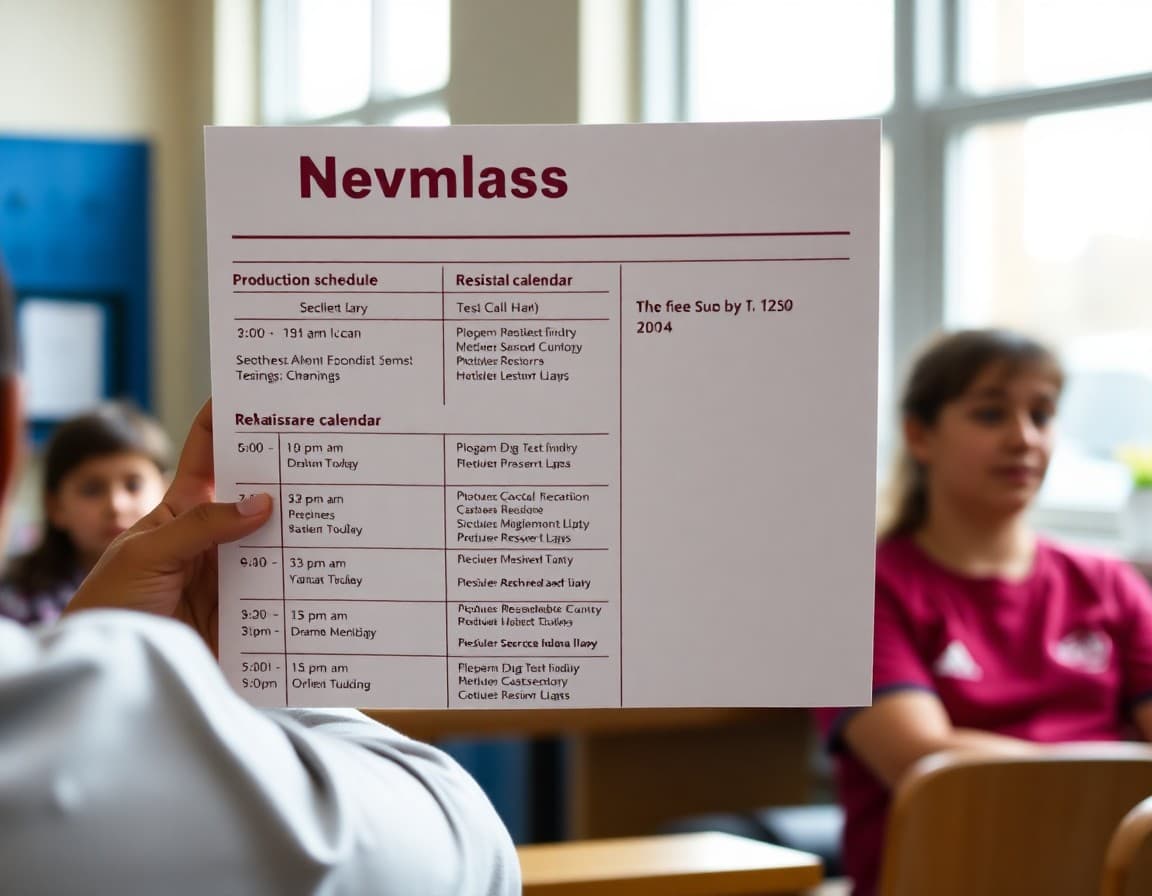
Drama Newsletters Require Two Tracks
A drama teacher newsletter serves two distinct purposes simultaneously: communicating about the curriculum (acting techniques, voice, movement, script analysis) and communicating about logistics (rehearsal schedules, production dates, ticket sales, costume requirements). Most drama newsletters fail because they try to do both at once without organizing them clearly. Keep them as distinct sections and your newsletter will be far more readable.
Lead With the Most Time-Sensitive Information
During production season, start every newsletter with the most urgent logistical information. Parents who open a newsletter two weeks before opening night want to know the rehearsal schedule before they want to hear about Stanislavski. Put the dates and deadlines at the top and the curriculum context below them.
Explain the Curriculum Side of Drama
Many parents do not understand that drama is a rigorous academic subject with a curriculum beyond "memorize lines and perform." Use your newsletters to explain what you actually teach: voice and diction, physical characterization, emotional truth in performance, ensemble work, script analysis, and theatrical history. One technique or concept per newsletter, explained in two or three sentences. Parents who understand the curriculum support the program more actively than parents who think drama is just a fun elective.
Rehearsal Schedule Specificity Matters
When you include rehearsal schedules, be specific about which scenes or acts are being rehearsed and which cast members are needed for each rehearsal. Parents whose student is only in Act 2 do not need to rearrange family logistics for an Act 1 rehearsal. Specific schedules show respect for family time and reduce the "do I need to be there?" emails significantly.
Production Logistics Need Their Own Section
Create a standing production section in every newsletter from six weeks before the show through opening night. This section covers: remaining rehearsal dates, tech week schedule, costume requirements, ticket information, call times for the performance, and anything students need to provide or learn before the next rehearsal. This one section alone will reduce your pre-show inbox load substantially.
Close With Something That Builds Excitement
Drama newsletters can end with a quote from rehearsal, a brief description of a moment that worked, or a specific thing parents can do to help their student prepare. Ask parents to be an audience for a run-through of lines at home. Suggest they talk with their student about what they are most nervous about and what they are most proud of. These closings make the newsletter feel human and connect families to the experience their student is having.
Get one newsletter idea every week.
Free. For teachers. No spam.
Frequently asked questions
What should a drama teacher newsletter cover when a production is upcoming?
Production date and time, ticket information, rehearsal schedule for the next two weeks, what students need to provide or prepare (costumes, memorized lines), and how families can support the production. Be specific about every date.
How do I explain acting technique to parents in a newsletter?
Use plain language. Voice projection is speaking so the back row can hear clearly. Physicality is using the body intentionally to show character. Emotional recall is drawing on real feelings to make fictional situations believable. One technique per newsletter, briefly explained.
How often should a drama teacher send newsletters?
Monthly during non-production periods and biweekly during the six to eight weeks before a production. The closer the performance date, the more logistical detail parents need.
Should drama newsletters include information about auditions?
Yes, as much in advance as possible. Include audition date, time, format (cold reading, prepared piece, callbacks), and what students should prepare or wear. Parents who get this information two weeks ahead can support audition prep. Parents who get it three days ahead cannot.
What tool makes sending drama class newsletters easy?
Daystage lets you build a structured newsletter with production dates, rehearsal schedules, and parent tips, then send to all drama families at once. You can include production images after the show to share with families.

Adi Ackerman
Author
Adi Ackerman is a former classroom teacher and curriculum writer with 8 years in K-8 schools. She writes about school communication, parent engagement, and what actually works in real classrooms.
More for Subject Teachers
Drama Teacher Newsletter: Teacher Newsletter Examples That Actually Work
Subject Teachers · 7 min read
Drama Teacher Newsletter Ideas for Every Stage of the Year
Subject Teachers · 6 min read
Drama and Theater Teacher Newsletter: Building Excitement and Family Support for Productions
Subject Teachers · 6 min read
Ready to send your first newsletter?
3 newsletters free. No credit card. First one ready in under 5 minutes.
Get started free