
What Students Learn from Writing School Newsletters (Beyond Writing)
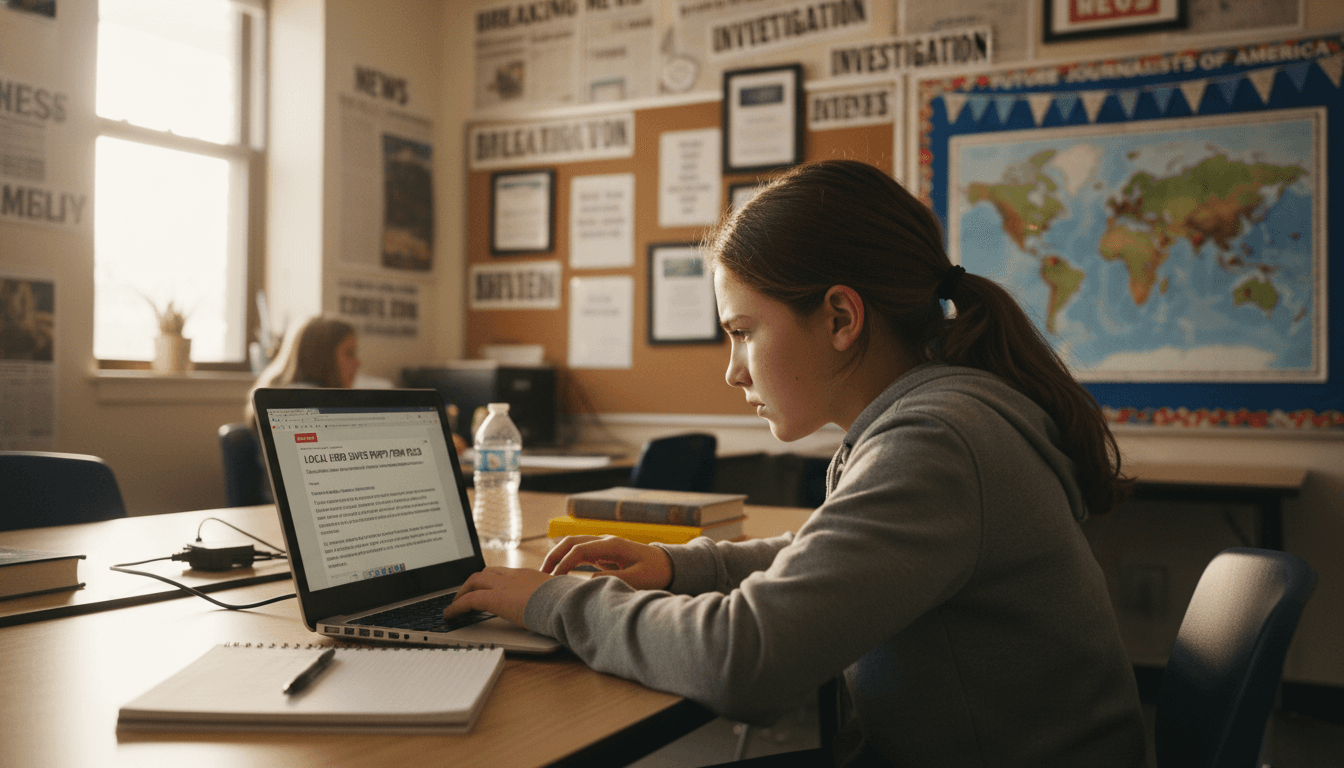
Teachers who run student newsletter projects often start with one goal, a real-world writing assignment, and end up with something they did not expect: a project that visibly develops a cluster of skills that traditional writing assignments barely touch.
This is what those skills are, why the newsletter format develops them, and why they matter beyond the classroom.
Audience Awareness
Most student writing has one audience: the teacher. The student's implicit goal is to meet the rubric criteria. A student newsletter has a real, differentiated audience, families who are not grading them, peers who will notice if the story is boring, community members who may reference the piece.
Writing for a real audience changes how students make decisions. "Will my reader understand this?" is a question students ask naturally when they know there is a real reader. When the only reader is the teacher, the implicit assumption is that the reader already understands everything.
Audience awareness is one of the most transferable writing skills there is. It is the foundation of professional communication, reports, emails, presentations, proposals. Students who develop it in a school newsletter context arrive at professional settings with a head start.
Information Accuracy and Verification
Newsletter reporting teaches students that facts need to be correct before they go out. Not approximately correct. Not "I think I heard this." Correct enough to be published.
This is a different standard than most academic writing, where imprecision is penalized but rarely has consequences beyond the grade. When a student publishes a newsletter article saying the school bake sale raised $300 and it actually raised $130, someone notices. Usually the person whose number was wrong.
Working through that experience, understanding why accuracy matters, learning how to verify before publishing, teaches information literacy in a way that a lesson on citation formats does not.
Deadline Management Under Real Pressure
A newsletter that ships on a schedule creates real deadlines. Not "turn this in by Friday for a grade", "the newsletter goes out Tuesday and your story needs to be ready by Monday morning or there will be a blank space where it should be."
Students who manage real deadlines develop a different relationship with time pressure than students whose deadlines are graded. They learn to work backward from a ship date, to protect time for revision, to ask for help before the deadline rather than after it.
Interviewing and Source Management
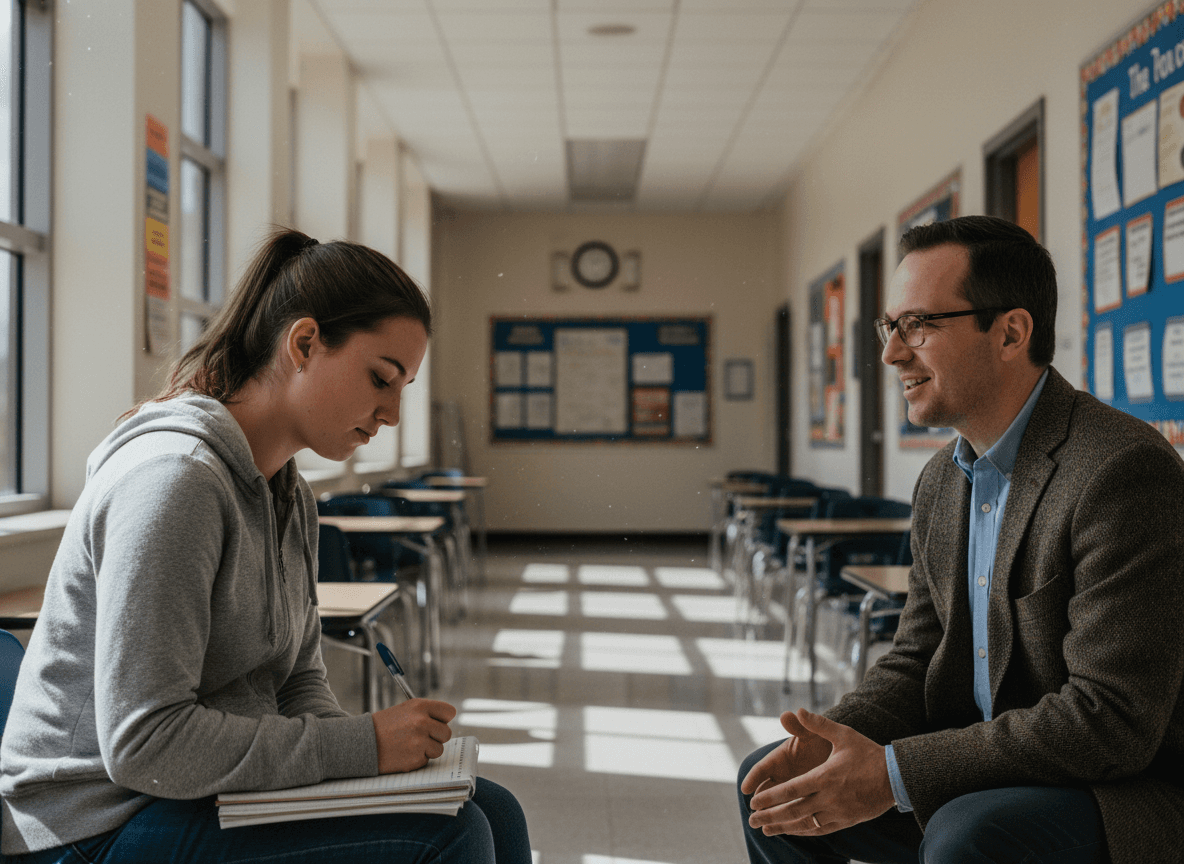
Student reporters who interview classmates, teachers, and community members develop a skill that goes far beyond writing: the ability to ask a question, listen to the answer, and ask a better follow-up question. This is the foundation of research, of conversation, of collaboration.
Students who have done twenty school newspaper interviews arrive at job interviews, research projects, and collaborative workplaces with a social intelligence that is hard to teach directly. They know how to get information from people. They know how to make a source feel comfortable. They know when to push and when to listen.
Editing as a Service
Most school writing feedback flows in one direction: teacher to student. Student newsletter projects require peer editing, students reviewing each other's work with the goal of making it better, not grading it.
Learning to edit is learning to read with purpose. Students who edit a peer's article develop a meta-awareness of what makes writing clear or confusing, specific or vague, accurate or sloppy. They then apply that meta-awareness to their own writing in ways that teacher feedback alone does not produce.
The professional application is immediate: the ability to review and improve others' work is one of the most valued skills in any collaborative environment.
Public Authorship
There is something that happens when a student's name appears in print for the first time under something they wrote. Not on a worksheet filed in a folder. On a document that other people read.
That experience, of being a public author, changes students' relationship to writing. It raises the stakes in a productive way. It also validates the work in a way that a grade alone cannot. The family who mentions the article at pickup, the classmate who references it the next day, the teacher who brings it up in a different class, these responses are writing feedback of the most powerful kind.
Get one newsletter idea every week.
Free. For teachers. No spam.
Frequently asked questions
When do students develop real writing skills through newsletter work?
Meaningful skill development starts after the third or fourth issue, when students move past the mechanics of the format and start making genuine editorial decisions about what to include, how to interview, and how to frame a story for an audience.
What skills do students learn from writing newsletters beyond writing?
Students learn to manage real deadlines, verify information before publishing, adapt their voice for a public audience, and accept edits as feedback rather than criticism. These are professional skills that transfer beyond journalism.
How should teachers structure newsletter work to maximize writing skill development?
Assign different formats each issue: a news brief, a longer feature, an interview, a photo caption, a calendar item. Each format teaches different skills. Students who only write the same type of content stop developing after the first few issues.
What mistakes reduce the educational value of student newsletter programs?
Giving students only the easiest or most appealing tasks limits their growth. A student who always writes the events calendar is not developing reporting or interviewing skills. Rotate assignments so every student is challenged.
How does Daystage support newsletter programs as learning tools?
Teachers use Daystage to manage the publication workflow so the production side is handled efficiently, leaving more classroom time for the writing instruction, interview preparation, and editorial feedback that build the actual skills.

Adi Ackerman
Author
Adi Ackerman is a former classroom teacher and curriculum writer with 8 years in K-8 schools. She writes about school communication, parent engagement, and what actually works in real classrooms.
More for Student-Led
Ready to send your first newsletter?
3 newsletters free. No credit card. First one ready in under 5 minutes.
Get started free