

Student Welcoming Committee Newsletter: Making Everyone Feel at Home
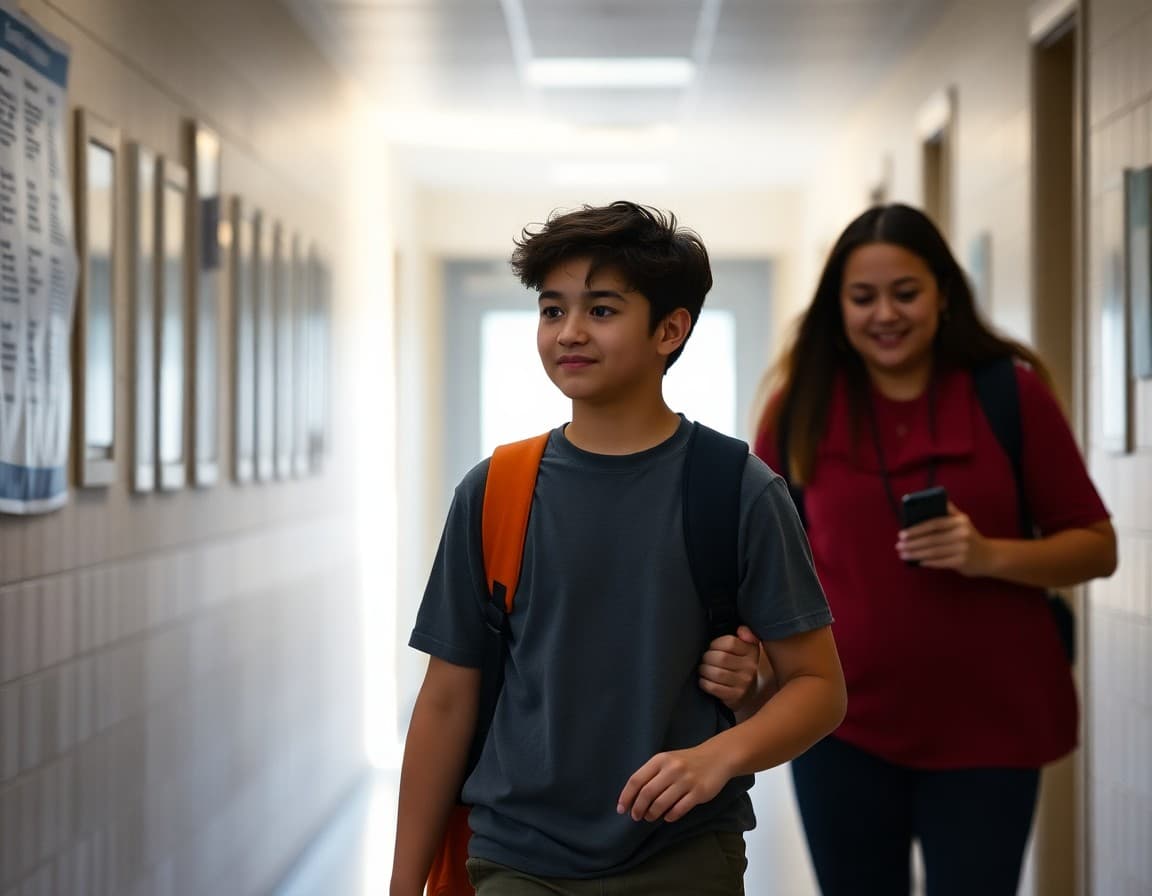
Starting at a new school is hard. The building is unfamiliar, the social dynamics are already established, and most students do not know which questions to ask or who to ask them to. A welcoming committee newsletter does something a school handbook cannot: it provides practical, honest guidance in a voice that sounds like a peer rather than an administrator. This guide walks through how to build that newsletter effectively.
Know Your Three Audiences
Your newsletter goes to new students and families who need practical orientation help, current students who might want to join the committee, and faculty who refer struggling newcomers to peer support. Write sections for each group. New students need logistics and social navigation tips. Prospective members need to understand what the committee actually does in a typical week. Faculty need to know who to call when a student is having a rough transition. One newsletter, three clearly targeted sections.
Lead With What New Students Actually Need to Know
The first section of every issue should answer the questions a new student is too embarrassed to ask. Where is the quietest place to eat lunch if the cafeteria feels overwhelming? What is the best route from the east wing to the gym? Which teachers are approachable during prep periods? The welcoming committee knows these things. Write them down. Insider knowledge delivered in a friendly tone is the most valuable thing you can offer a nervous new student.
Use a Practical Guide Format for Orientation Content
Here is a template your committee can use for the practical guide section:
First Week at [School Name]: What We Wish Someone Had Told Us
Lunch: The east cafeteria line is 40 percent shorter than the main line. Both serve the same food. The outdoor courtyard tables near the library are quieter if you need a break from the noise.
Counselors: Ms. Chen is in Room 108. You do not need an appointment for a five-minute check-in. She is available before school from 7:30-8:00 a.m. most days.
Clubs: Interest forms are due by the third week of each month. You can join a club mid-year if you email the sponsor directly.
Getting lost: Ask anyone wearing a yellow lanyard. Those are welcoming committee members. We will walk you where you need to go.
That section takes 30 minutes to write and saves a new student hours of confusion.
Spotlight a Successful Transition
Each issue should feature one student who arrived as a newcomer and is now established in the school community. Include how long they have been enrolled, what was hardest about the first month, and what helped most. "Jaylen transferred in January and says the hardest part was not the schoolwork, it was figuring out where to sit at lunch without feeling like he was intruding. A committee member sat with him on his third day and introduced him to four people who are now part of his regular group." That story is more useful to a new student than any formal orientation program.
Show What the Committee Actually Does
The recruiting section needs specifics. Explain what a committee member does in a typical week: how many new students they are paired with, what a mentor check-in looks like, how often the full committee meets. Students considering joining want to know what they are committing to before they show up. "Members typically spend 30-45 minutes per week with their assigned newcomer for the first month, then transition to a casual check-in once the student is settled" tells a prospective member exactly what to expect.
Include Stories From Both Sides of the Mentorship
The most compelling content comes from the students doing the welcoming, not just the ones being welcomed. A committee member writing 75 words about what they noticed in their mentee's first week, and what they wished they could have done better, shows the work honestly. That honesty makes the committee seem accessible and human, not a polished school program.
Address the Social Anxiety Directly
Most new students are not struggling with academics. They are struggling with belonging. Name that directly. "If the first week feels lonely, that is completely normal and it will not last. Most students report that the hardest period is the first three weeks. By week six, the majority say they have at least one person they look for in the building." Normalizing the experience reduces shame and gives new students a realistic timeline for when things get better.
Make the Newsletter Easy to Find Year-Round
Students enroll throughout the year, not only in September. Keep your newsletter accessible on the school website or send it automatically to families when they enroll. A family who receives the welcoming newsletter in February needs the same practical information as a September arrival. Review your content twice a year and update the logistics sections so the information stays current.
Get one newsletter idea every week.
Free. For teachers. No spam.
Frequently asked questions
Who should receive the welcoming committee newsletter?
Send it to three audiences: new students and their families, current students who might want to join the committee, and faculty who work with students during transition periods. Each group reads the newsletter for different reasons. New families want practical information. Prospective members want to know what the committee actually does. Faculty want to know who to refer struggling newcomers to.
How soon should a new student receive the welcoming newsletter?
Within the first week of enrollment, before school starts if possible. A student who receives a newsletter before their first day knows at least one point of contact and has a sense of what to expect. Many schools send an orientation issue in late July or early August so families have time to read it before the rush of the first week.
What information does a new student actually need in a welcome newsletter?
Practical logistics first: where to get lunch, where the counselor's office is, how clubs work, and how to find a bathroom without getting lost. Then social information: how to find students with similar interests, what the cafeteria culture is actually like, and which clubs have the easiest entry points for newcomers. Skip the history of the school and the mission statement. New students want to survive the first week, not learn institutional history.
How does the committee recognize students who have successfully transitioned?
A brief spotlight in each issue naming one or two students who arrived as newcomers and are now thriving gives new students something to aspire to. Keep it real: include how long the transition took, what helped most, and what was hardest. A transition story that acknowledges difficulty is more comforting to a new student than a story that makes it sound easy.
Can Daystage help the welcoming committee send newsletters to new families as they enroll throughout the year?
Yes. Daystage lets you build a newsletter template and send it on demand to new subscribers as families enroll. You do not need to rebuild the newsletter each time a new student arrives. The committee editor updates the practical details each semester and sends the standing version to every new family as they join your subscriber list.

Adi Ackerman
Author
Adi Ackerman is a former classroom teacher and curriculum writer with 8 years in K-8 schools. She writes about school communication, parent engagement, and what actually works in real classrooms.
More for Student-Led
Ready to send your first newsletter?
3 newsletters free. No credit card. First one ready in under 5 minutes.
Get started free