
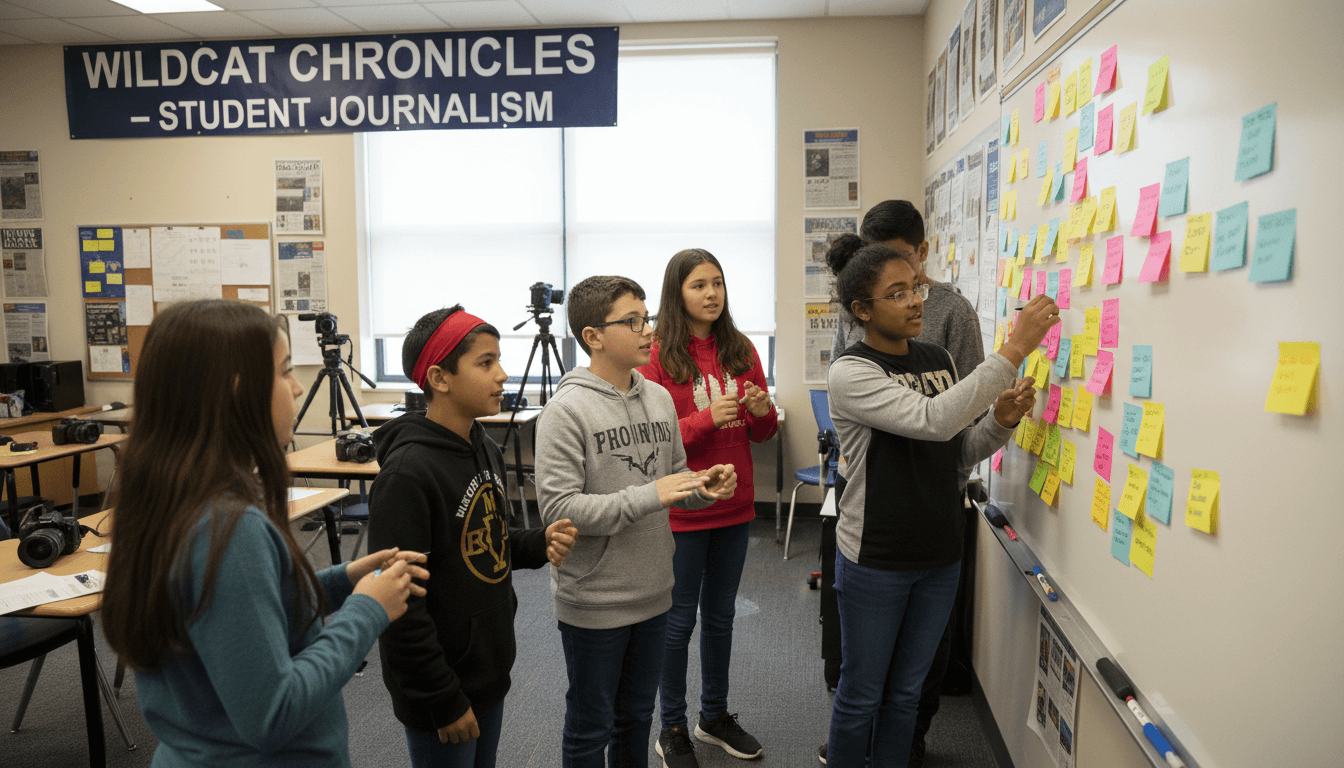
Featuring Student Photography in the School Newsletter

Student photographers who see their work published in the school newsletter have an audience and a purpose that a classroom assignment cannot provide. The newsletter is the platform that transforms photography from an art class exercise into a form of community communication.
Assign Student Photographers to Events
Student newsletter photographers need specific assignments, not open invitations. Identify upcoming school events and assign two student photographers to each one with a clear brief. "Cover the winter play dress rehearsal. We need three to five images that show what the production looks like, not staged portraits. Deadline is Thursday morning."
A brief that describes the visual story you need, not just the event to attend, develops news photography skills faster than unstructured shooting.
Publish Photo Credits by Name
Every student photograph published in the newsletter should carry the photographer's name. "Photo by [student name], Grade 9" is a one-line credit that gives the student public recognition and makes the photography program visible to the school community. Students who see their name alongside published work in a school communication that reaches every family develop professional pride in the work.
Provide Specific Feedback on Published and Unpublished Images
Student photographers develop faster when they receive feedback specific enough to act on. "This image is in focus and the composition is strong, but the subject's face is not visible. Next time, try positioning yourself across from the subject rather than beside them." That feedback is useful. "Good effort" is not.
Feedback on rejected images is as important as feedback on published ones. Students who know why an image did not make the newsletter know what to do differently. Students who receive a rejection without explanation may not try again.
Cover Image Consent and Ethics
Student photographers need to understand the school's consent policy before their first assignment. Which students have opted out of being photographed? What images require additional care? How should a student handle a situation where a peer asks not to be photographed? A brief ethics orientation at the start of the program builds the professional habits that responsible photojournalism requires.
Build a Photo Archive and End-of-Year Feature
A year's worth of student newsletter photographs is a visual record of the school year that the school community values far beyond the news cycle of each individual photograph. An end-of-year newsletter feature with the best photographs of the year, credited to their student photographers, celebrates both the events they captured and the students who did the capturing.
Get one newsletter idea every week.
Free. For teachers. No spam.
Frequently asked questions
How do you establish a student photography program that contributes to the newsletter?
Identify two to four students per semester who want to serve as newsletter photographers. Give them a brief orientation on news photography basics: capturing action, showing faces, composing for context rather than only subjects. Assign them to upcoming school events with a specific brief. The brief matters: 'Cover the science fair and capture one moment that shows what students actually did, not just posed photos at the table' produces better results than 'take photos at the science fair.'
What image rights and consent issues should the newsletter address for student photography?
Review the school's student image consent policy with student photographers before any assignment. Students with photo opt-out should not appear in newsletter photographs. Student photographers should also understand that they cannot publish images of other students without the school's consent process being followed, that school event photos are generally covered by general enrollment consent, and that identifiable images of individuals in sensitive situations require additional care.
How do you develop student photo skills through newsletter participation?
Provide specific feedback on published photographs rather than only acceptance or rejection. 'This photo works because the subject is in motion and the background shows the context of the gym. In future, try to position yourself so the subject's face is visible.' That kind of specific feedback develops skill. A student who submits photos that are accepted or rejected without explanation does not learn from the process.
How do you caption student photography in the newsletter?
Write captions that add information the photograph cannot show: who is pictured, what they are doing, and one detail about the context. 'Third grader [name] presents their water filtration project during the school science fair, which featured 47 student projects this year.' That caption adds context and names the student, which both recognizes the subject and informs the reader.
How does Daystage support student photography in school newsletters?
Daystage helps schools integrate student photography into newsletters in a way that recognizes student photographers, presents their work professionally, and builds the photo journalism program through ongoing publication and feedback. Schools use it to give students who communicate visually a genuine platform within the school's official communication.

Adi Ackerman
Author
Adi Ackerman is a former classroom teacher and curriculum writer with 8 years in K-8 schools. She writes about school communication, parent engagement, and what actually works in real classrooms.
More for Student-Led
Student News Alumni Coverage Newsletter: How Student Journalists Report on Former Students
Student-Led · 5 min read
Student Newsletter Advanced Interview Skills Guide: How Student Journalists Conduct Better Interviews
Student-Led · 6 min read
Student Yearbook Newsletter: How Yearbook Staff Communicate with the School Community
Student-Led · 5 min read
Ready to send your first newsletter?
3 newsletters free. No credit card. First one ready in under 5 minutes.
Get started free