
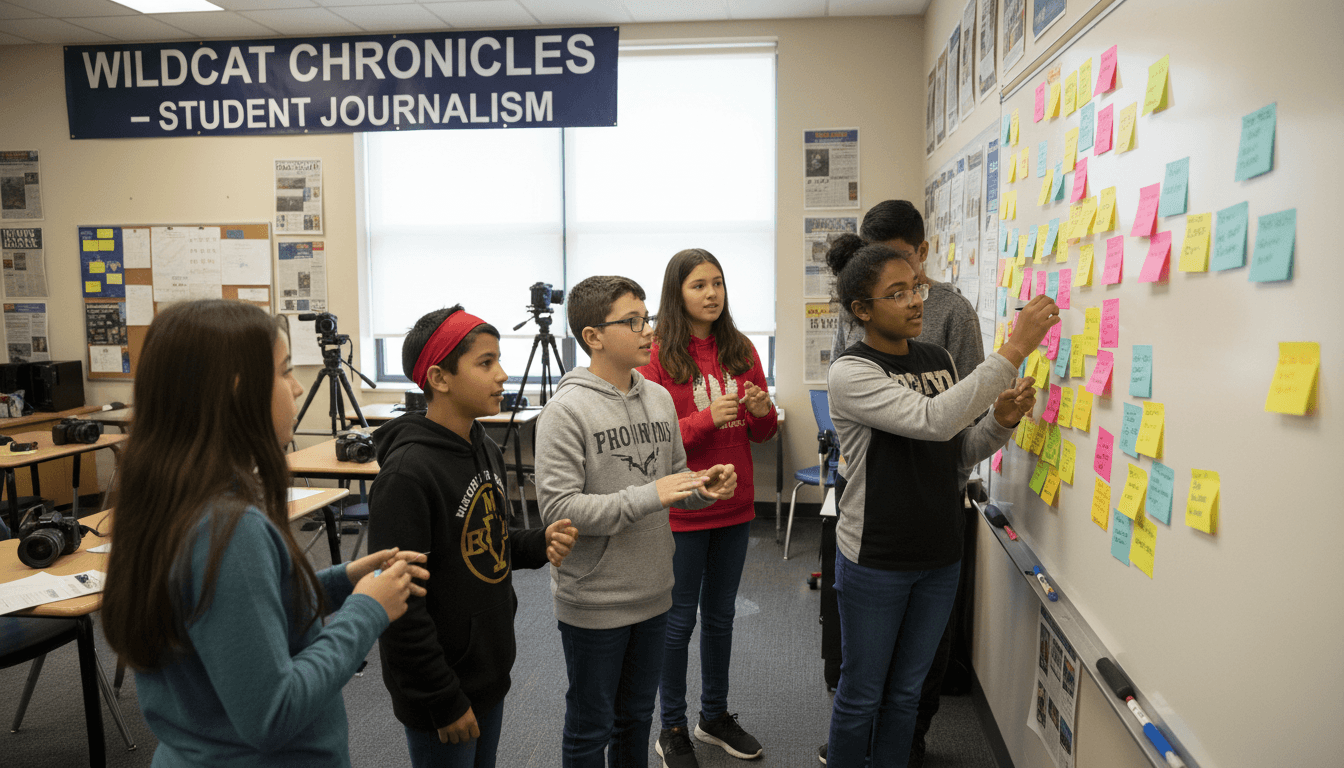
How Students Can Cover Social Justice and Equity Topics in the School Newsletter

Social justice journalism is journalism. It follows the same standards, requires the same rigor, and demands the same fairness as coverage of any other subject. Student journalists who cover equity topics well, with investigation, accuracy, and the centering of affected voices, produce the most valuable and most trusted social justice coverage that a school newsletter can offer.
Teach Journalism, Not Advocacy
Students who care deeply about social justice are natural recruits for social justice coverage. But caring about an issue is not the same as having the journalistic distance to cover it well. Teach students that their obligation as journalists is to inform their readers accurately and fairly, not to advance a cause, even one they believe in deeply.
Rigorous social justice journalism that is accurate and fair is more persuasive than journalism that reads like an argument. Readers who trust the reporting are more likely to be affected by it.
Center the Voices of Affected People
Social justice coverage that is built primarily on the perspectives of program administrators, diversity officers, and policy statements misses the point. The primary sources for stories about equity are the people whose experience is at stake.
A story about whether students with disabilities feel fully included should begin with students with disabilities. A story about whether the school's dress code policy is applied equitably across different student groups should include the students who experience the enforcement disparity. Those perspectives are not one side of a debate. They are the primary evidence about what is actually happening.
Investigate Rather Than Announce
Social justice coverage that consists of program announcements and awareness month recaps is not journalism. It is a calendar. Coverage that investigates whether the school's stated commitments to equity are reflected in the school's data, practices, and student experience is journalism.
Ask the question behind the announcement. If the school announces a new equity initiative, investigate what the previous initiative achieved and what this one is designed to do differently. That investigation produces more useful journalism than any announcement can.
Handle Allegations Carefully
Stories involving allegations of discrimination or harm require careful application of journalistic standards. Verify facts. Give the accused the opportunity to respond. Distinguish between what is alleged and what is established. Consider whether publication serves a legitimate public interest. Social justice topics do not change these standards. They make them more important.
Build Ongoing Coverage, Not One-Time Features
The school's equity journey is a continuous story, not a series of discrete events. Student journalists who follow an equity issue across a full year, checking in on whether commitments are being met, produce accountability journalism. A single awareness month feature that is never followed up is forgotten. Ongoing coverage is remembered.
Get one newsletter idea every week.
Free. For teachers. No spam.
Frequently asked questions
How do you help students cover social justice and equity topics without producing advocacy rather than journalism?
Teach the distinction between having a perspective and having an agenda. A journalist can believe discrimination is wrong and still cover a discrimination complaint accurately, fairly, and with sources from multiple sides. A journalist who writes only to confirm their existing view is an advocate. A journalist who investigates to understand and inform is a journalist. Social justice journalism that is rigorous and fair is more persuasive and more trusted than journalism that reads like a campaign.
How do you help students center the voices of affected community members rather than speaking for them?
Require students covering equity topics to interview people with direct experience of the issue rather than only people with opinions about it. A story about whether the school cafeteria accommodates dietary restrictions should include students with those restrictions, not only administrators with policies. A story about whether students of color feel included should include those students, not only diversity program coordinators. The voices of affected people are primary sources. The voices of program administrators are secondary sources.
How do you handle a social justice story that involves a specific incident of alleged discrimination or harm?
Apply the same standards that apply to any story involving alleged harmful conduct: get all sides, verify facts, give the accused the opportunity to respond, consider whether the story serves a legitimate public interest proportionate to any individual harm publication might cause, and consult the advisor before publishing. Allegations are not findings. Coverage should be accurate about what is alleged, not confirmed, until facts are established.
How do you ensure social justice coverage in the student newsletter is not performative?
Require genuine investigation rather than press release journalism. A Black History Month feature that simply republishes program announcements is performative. A feature that investigates how many books by Black authors are in the school library, interviews the librarian about selection criteria, and reports on what the data shows is journalism. The difference is investigation versus announcement.
How does Daystage support equity and inclusion coverage in student newsletters?
Daystage helps schools build student newsletter programs that cover equity and social justice topics with the rigor, fairness, and centering of affected voices that makes coverage genuinely useful to the school community. Schools use it to develop student journalists who take these topics seriously as journalism subjects, not only as awareness month opportunities.

Adi Ackerman
Author
Adi Ackerman is a former classroom teacher and curriculum writer with 8 years in K-8 schools. She writes about school communication, parent engagement, and what actually works in real classrooms.
More for Student-Led
Student News Segment Newsletter: How Schools Launch and Sustain Student Video Journalism Programs
Student-Led · 5 min read
How Students Can Cover Mental Health Topics in the School Newsletter
Student-Led · 5 min read
High School Digital Student Newspaper: How to Move From Print to Online Publication
Student-Led · 8 min read
Ready to send your first newsletter?
3 newsletters free. No credit card. First one ready in under 5 minutes.
Get started free