
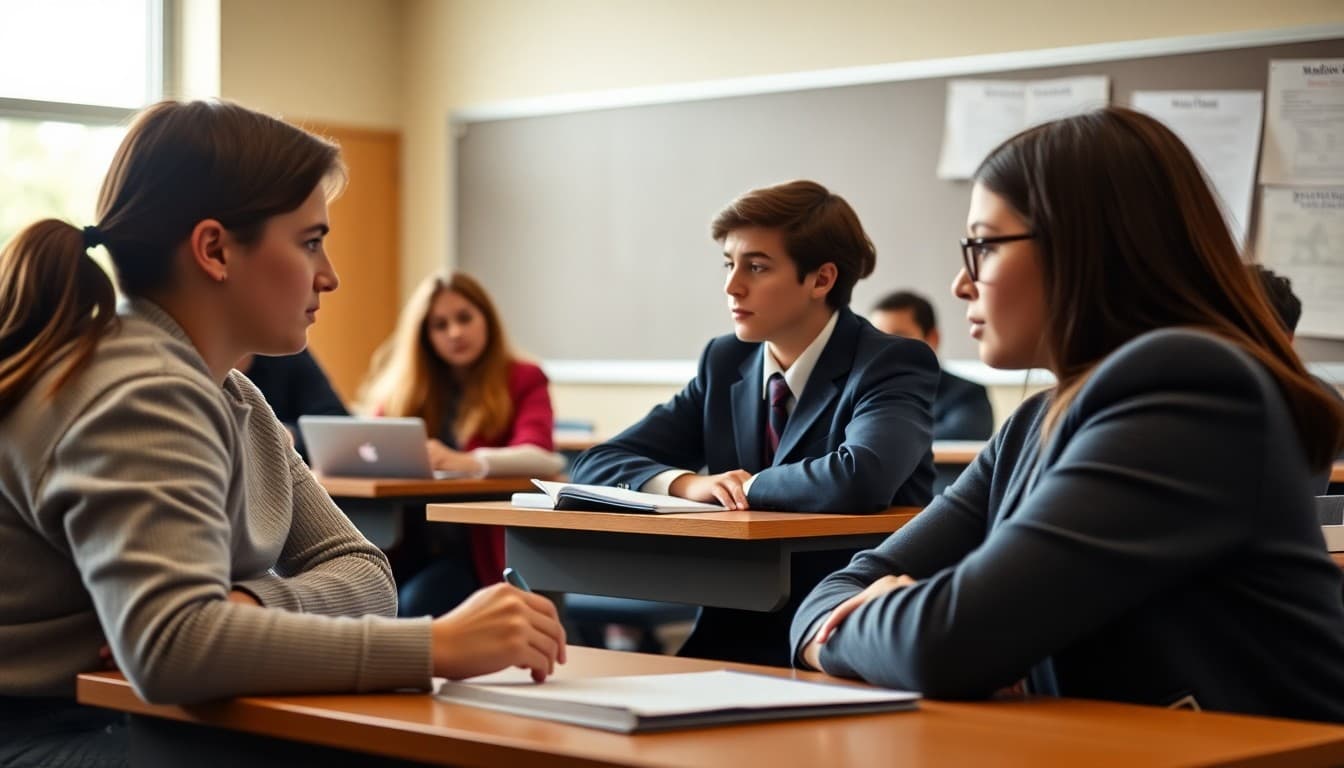
Student Mock Trial Newsletter: Legal Learning in Action at School
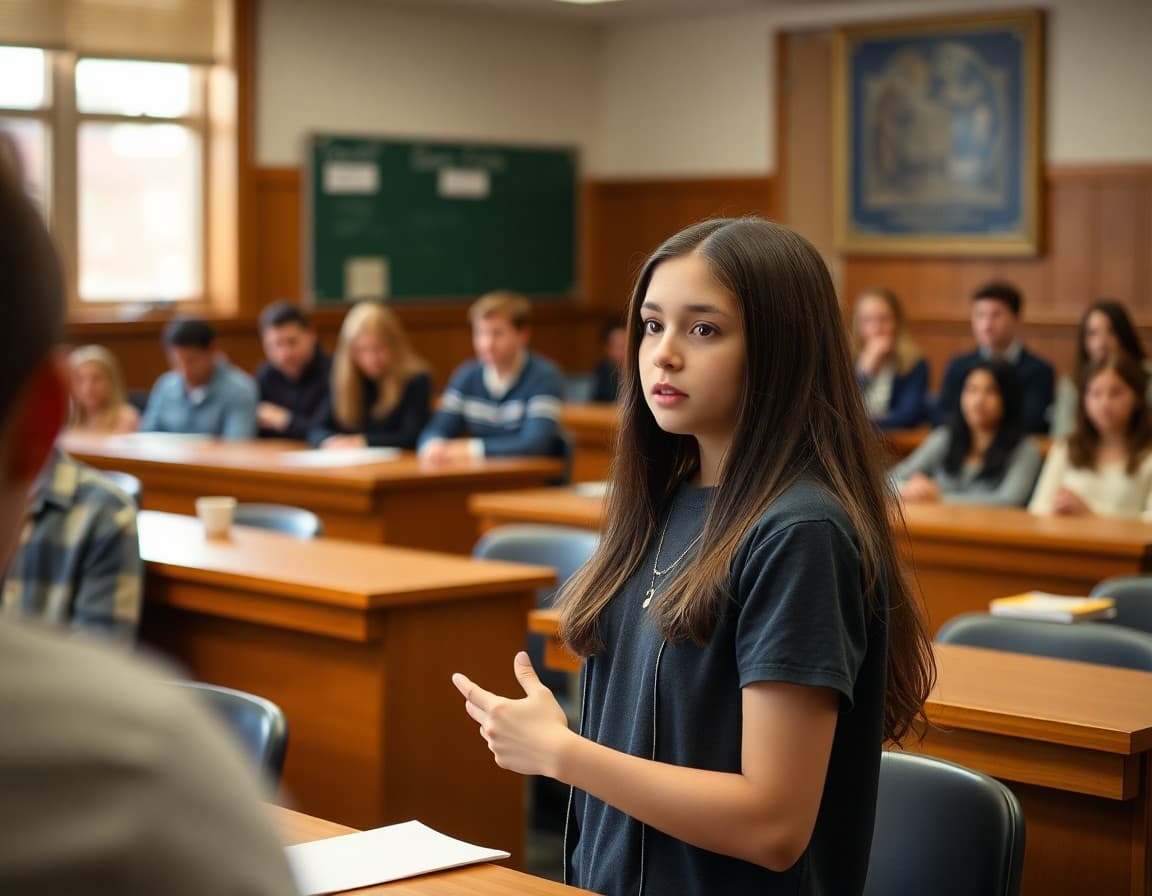
Mock trial programs develop skills that matter far beyond the courtroom: structured argumentation, rapid thinking under pressure, the ability to read a room and adjust in real time. A strong newsletter makes those skills visible to the broader school community, shows prospective members what the program actually involves, and builds the kind of audience that shows up to watch competitions and cheer your team on. This guide covers how to write it well.
Report on Competitions With Depth, Not Just Results
A score or a win-loss record tells readers almost nothing. Tell them what happened in the room. Which witnesses performed under pressure? Where did the team's preparation pay off? Where did the opposing team catch them off guard? "The defense's closing argument ran 45 seconds over time and drew a penalty, but the content was strong enough that the panel still scored it favorably" tells a story. "We won" does not.
Explain One Legal Concept Per Issue
The educational section of your newsletter builds long-term readership among students who are curious about law but have no prior knowledge. Each issue, explain one concept relevant to your current case or competition experience. Here is an example:
This Month's Legal Term: Hearsay
Hearsay is a statement made outside of court that a witness tries to repeat in court as evidence of the truth of what was said. "She told me he did it" is hearsay if used to prove he actually did it. Courts generally exclude hearsay because the person who originally made the statement is not present to be cross-examined. Our mock trial case this semester involves a hearsay objection in the third witness's testimony that our team has been practicing how to handle for the past three weeks.
That explanation teaches a real legal concept and connects it directly to the team's current work.
Show the Preparation Process
Readers who have never watched a mock trial competition do not know what the team does between September and February. Describe it specifically. How many hours per week does the team practice? What does a typical practice session look like? Who plays the attorneys and who plays the witnesses? How does the team receive and analyze a new case when it is released each fall? Answering these questions makes the program legible to curious students who are considering joining and to family members who want to understand what their student is spending their afternoons doing.
Profile a Team Member With Their Role
A rotating member spotlight should focus on the student's specific role and what they have learned through it. An attorney explaining how they built their cross-examination strategy, or a witness describing what it feels like to be cross-examined by an opposing team, gives readers an inside look that no summary can replicate. Keep it to 100-150 words and let the student write it in their own voice. The authenticity matters more than polish.
Recruit by Describing the Skills, Not the Title
Many students avoid mock trial because they think it requires an interest in becoming a lawyer. Your recruiting section should correct this assumption directly. "You do not need to be interested in law to benefit from mock trial. The skills you develop, including speaking persuasively under pressure, building an argument from evidence, and reading a critical audience, apply in every professional field. Our current team includes students interested in medicine, film production, business, and environmental science. They joined for the skills and stayed for the competition."
Preview Upcoming Competitions With Context
Before each competition, give readers enough context to follow the results when they come. Describe the case your team will argue, which side they are assigned to argue first, who your likely opponents are if you know, and what a win or loss means for your season standing. "We compete in Round 2 of the regional tournament on November 14th arguing the defense side of People v. Nguyen. A win advances us to the semifinal on December 6th." That information turns passive readers into engaged followers of your season.
Connect the Program to Future Opportunities
Families and students weighing extracurricular commitments want to know what a program leads to. Be specific. List colleges and universities known for strong pre-law programs that value mock trial experience. Name any alumni of your program who went on to law school, debate, forensics, or public policy careers. Mention that law firms and legal organizations occasionally offer summer internships to high school students with competitive mock trial experience. Concrete future outcomes justify the time investment to students and families who are deciding whether to commit.
Get one newsletter idea every week.
Free. For teachers. No spam.
Frequently asked questions
How do we write about mock trial for readers who know nothing about law?
Translate every legal term the first time you use it. 'The prosecution's witness was impeached, meaning the defense showed that their testimony contradicted what they said in a prior statement' is accessible to any reader. Never assume baseline legal knowledge. A reader who walks away understanding one new concept from every issue is a reader who will keep opening your newsletter.
What should a mock trial newsletter cover beyond competition results?
Cover the preparation process in detail. How do students build a legal argument? What does witness preparation look like? How does the team decide who plays each role? The behind-the-scenes process is often more interesting to readers than the results, especially readers who are curious about joining but do not know what the team actually does between competitions.
How do we recruit students who have not considered law as a career?
Emphasize the transferable skills: public speaking, logical argumentation, reading complex documents, thinking under pressure, and cross-examining someone who is trying to mislead you. These skills are valuable in business, medicine, journalism, and dozens of other fields. A student who has no interest in becoming a lawyer might still want to spend a year developing those abilities.
How often should a mock trial team publish a newsletter?
Monthly during the school year with additional issues around major competitions. A pre-competition issue that explains the case and previews your team's strategy builds anticipation. A post-competition issue that reports results and lessons learned closes the loop for readers who were following your season.
Can Daystage help a small student legal team publish a professional-looking newsletter?
Yes. Daystage gives student editors the tools to build a newsletter that looks polished without requiring design skills or technical knowledge. For a small team where everyone is focused on competition prep, having a straightforward publishing platform means the newsletter actually gets published rather than sitting half-finished on someone's laptop.

Adi Ackerman
Author
Adi Ackerman is a former classroom teacher and curriculum writer with 8 years in K-8 schools. She writes about school communication, parent engagement, and what actually works in real classrooms.
More for Student-Led
Ready to send your first newsletter?
3 newsletters free. No credit card. First one ready in under 5 minutes.
Get started free