

Student Literary Magazine Newsletter: Creative Writing Showcase
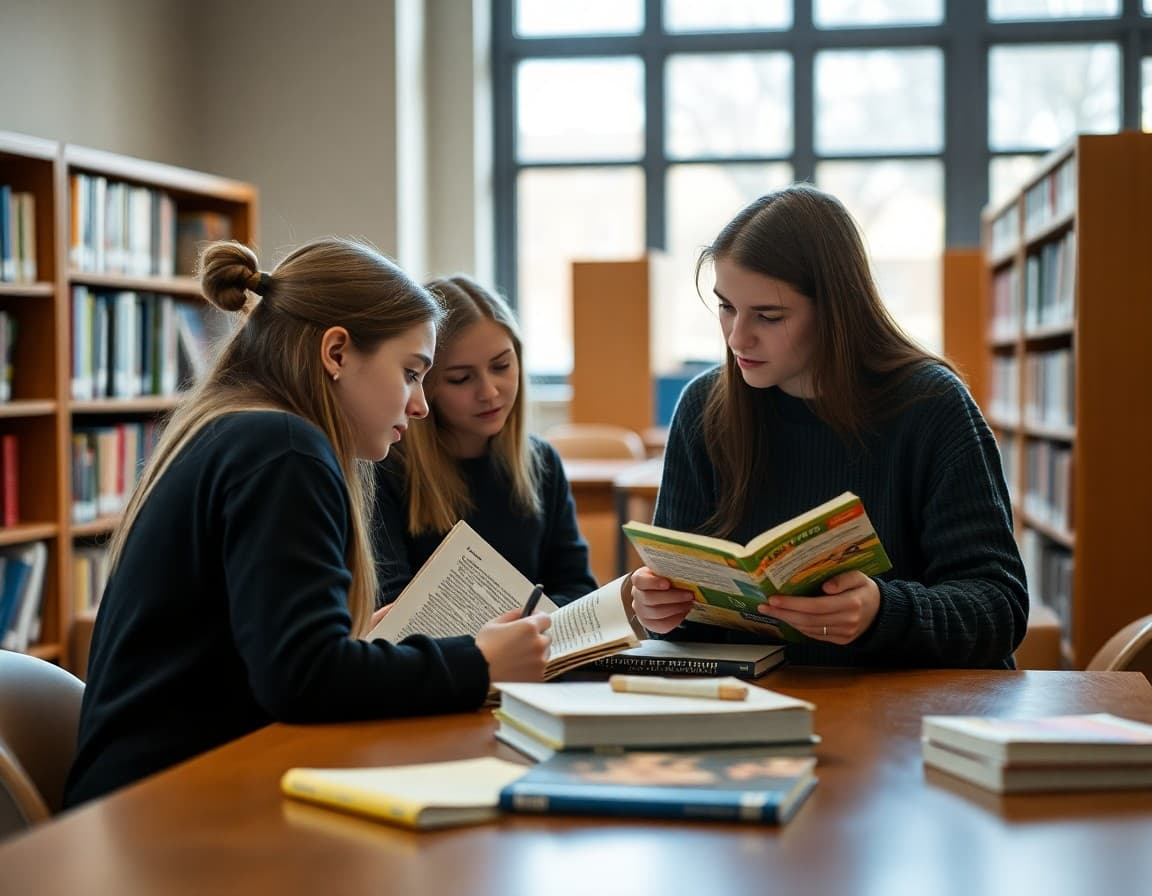
A student literary magazine newsletter serves three audiences simultaneously: it invites new submissions from students who have not yet contributed, it celebrates the work of students who have, and it builds readership for a publication that is often underappreciated by the school community because it exists in a single printed annual edition that most students never see. The newsletter keeps the literary magazine visible between publications and makes the case for creative writing as a school community value.
Why a Literary Magazine Matters for the School Community
Student literary magazines publish voices that no other school communication does. A student's poem about their grandmother's illness, a short story about feeling invisible in the cafeteria, a photograph that captures the light on an empty hallway in a way that stops the viewer for a moment, these are expressions of experience that academic writing and school announcements have no room for. A literary magazine says that the interior lives of students have a place in the school's public discourse, and that creative expression is valued alongside academic achievement.
This matters particularly for students who do not thrive in conventional academic settings but who produce extraordinary creative work. A literary magazine publication is an accomplishment that belongs on a college application alongside a test score, and many selective schools value it highly because it demonstrates a kind of intelligence that standardized assessments miss entirely.
Building a Submission-Friendly Culture
The literary magazine's submission rate reflects the school's creative culture. Schools where students feel their creative work is valued and where creative risk-taking is celebrated generate generous submission pools. Schools where academic performance is the dominant cultural value often have literary magazines that struggle to fill their pages because students have internalized that creative work is less valuable than academic work.
The newsletter is one of the most effective tools for building a submission-friendly culture. A newsletter that features a student poem or story excerpt every month, even between publication years, demonstrates continuously that creative work is published, read, and valued. Students who see peers' creative work in the newsletter are more likely to believe their own work belongs there.
The Editorial Selection Process
An editorial board of five to eight students that meets weekly during the submission period produces more consistent selection outcomes than a single student or advisor making decisions alone. The blind review principle, where names are removed from submissions before the board reads them, is the most equitable approach. Each board member reads all submissions and provides brief written notes before the group discussion. Pieces that receive consistent high marks across reviewers are straightforward accepts. Pieces where reviewers disagree are discussed, and the board develops its critical vocabulary through those disagreements in ways that improve the quality of their own writing.
The advisor's role in editorial selection should be guidance and support, not decision-making. A literary magazine whose selection is primarily driven by adult judgment is not a student-led publication. Advisors should be available for consultation on specific difficult decisions (a submission that is powerful but may be painful for a community member, a piece that raises ethical questions) while leaving the primary editorial work to students.
A Template for the Submission Call Newsletter
Send this newsletter six to eight weeks before the submission deadline:
"[Magazine Name] is now accepting submissions for our [year] issue. We publish poetry, short fiction, personal essays, photography, and visual art created by students of [school name]. You do not need to be enrolled in an English or art class to submit. You do not need to have published before. You need only something you have created that you want other people to experience. Deadline: [date]. How to submit: [specific, clear instructions]. Questions: [email]. We are also looking for editorial board members who want to help select and shape this year's issue. Contact [advisor name] if you are interested. A preview of past published work: [link or excerpt]."
Publication and Launch: Creating a Moment
A literary magazine that appears quietly on a shelf in the library without any fanfare misses the opportunity to make publication feel like the significant event it is for the students whose work appears in it. A publication launch event, even a modest one, creates a moment that the school community can gather around. A reading event where student contributors read their own work publicly, with a reception afterward, produces an evening that contributors remember for years and that builds the literary magazine's community profile in ways that a quiet distribution cannot.
The newsletter plays a role here too: announcing the launch event in advance, featuring brief excerpts from the issue to build anticipation, and following up after the event with photos and a "what people said about the magazine" section that validates contributors' work in public reinforces the message that creative work is valued by the community.
Reaching Students Who Do Not Think of Themselves as Writers
The students most likely to produce the most unexpected and resonant literary magazine content are often the ones who have never considered submitting because they do not think of themselves as writers or artists. A newsletter that explicitly invites students who have never submitted, who write only for themselves, or who are uncertain whether their work is "good enough" produces a more diverse and creatively interesting publication than one that only reaches the school's established creative writing community. Including a brief student testimonial from a first-time submitter in the submission call newsletter is the single most effective way to lower the barrier for students who are on the edge of submitting but have not yet crossed it.
Get one newsletter idea every week.
Free. For teachers. No spam.
Frequently asked questions
What genres of creative writing should a student literary magazine accept?
The most inclusive and creatively rich literary magazines accept a range of forms: short fiction (typically 300-1500 words for school publications), poetry (with no artificial restrictions on style or form), personal essays and creative nonfiction, visual art including photography, illustration, and graphic work, and sometimes hybrid forms that combine text and image. Restricting submissions to only traditional forms (sonnets, short stories with conventional structure) excludes student writers whose strongest work may be in experimental or emerging forms and reduces the pool of submissions significantly.
How should student editorial boards approach the selection process?
A blind review process, where identifying information is removed from submissions before editorial board review, produces fairer selection outcomes than a named review process. In a named review, students are subconsciously influenced by knowing who submitted the work, which tends to advantage students who are already well-known in the school community. Each editorial board member should read and score all submissions independently before the group discussion, using a rubric that addresses the specific qualities the magazine values (originality, craft, emotional impact). Majority vote on borderline cases is more equitable than advisory editorial decisions.
How do you get students to submit creative work when many feel their writing is not good enough?
Low submission numbers are almost always a confidence problem, not a quality problem. The most effective strategies for increasing submissions include: publishing a diverse range of quality levels rather than selecting only the most polished work, publicly featuring student work throughout the year rather than only at publication time, making the submission process genuinely easy and low-stakes, having teachers explicitly encourage specific students to submit, and running small workshop sessions where students develop a piece specifically for submission with peer feedback before the deadline. Students who have an adult or peer say 'this piece should be in the magazine' are far more likely to submit than those who self-select.
How should a literary magazine handle rejections sensitively?
Rejections are the most emotionally challenging part of literary magazine production because they involve creative work that students have invested themselves in. The rejection communication should be timely (within two weeks of the submission deadline), specific about whether the piece is not a fit for this issue or not accepted in its current form (leaving the door open for revision and resubmission), and warm in tone. A rejection that says 'we loved this image but could not fit it in this issue; please submit again in the spring' is genuinely different from a form rejection, and most student writers can feel that difference.
How can a literary magazine newsletter increase submissions and readership?
A newsletter that announces the submission call, features a brief excerpt or poem from a previous issue as a sample of what the magazine publishes, and clearly explains the submission process reaches potential contributors who might not otherwise encounter the call for submissions. Daystage lets literary magazine editors send beautifully formatted newsletters with featured creative work that serves as both inspiration and an example of the quality bar. Sending the submission call newsletter to teachers with a note asking them to share it in class or encourage specific students to submit multiplies the reach significantly beyond students who are already engaged with the magazine.

Adi Ackerman
Author
Adi Ackerman is a former classroom teacher and curriculum writer with 8 years in K-8 schools. She writes about school communication, parent engagement, and what actually works in real classrooms.
More for Student-Led
Ready to send your first newsletter?
3 newsletters free. No credit card. First one ready in under 5 minutes.
Get started free