

Student GSA Newsletter: Building a Safe Space at Our School
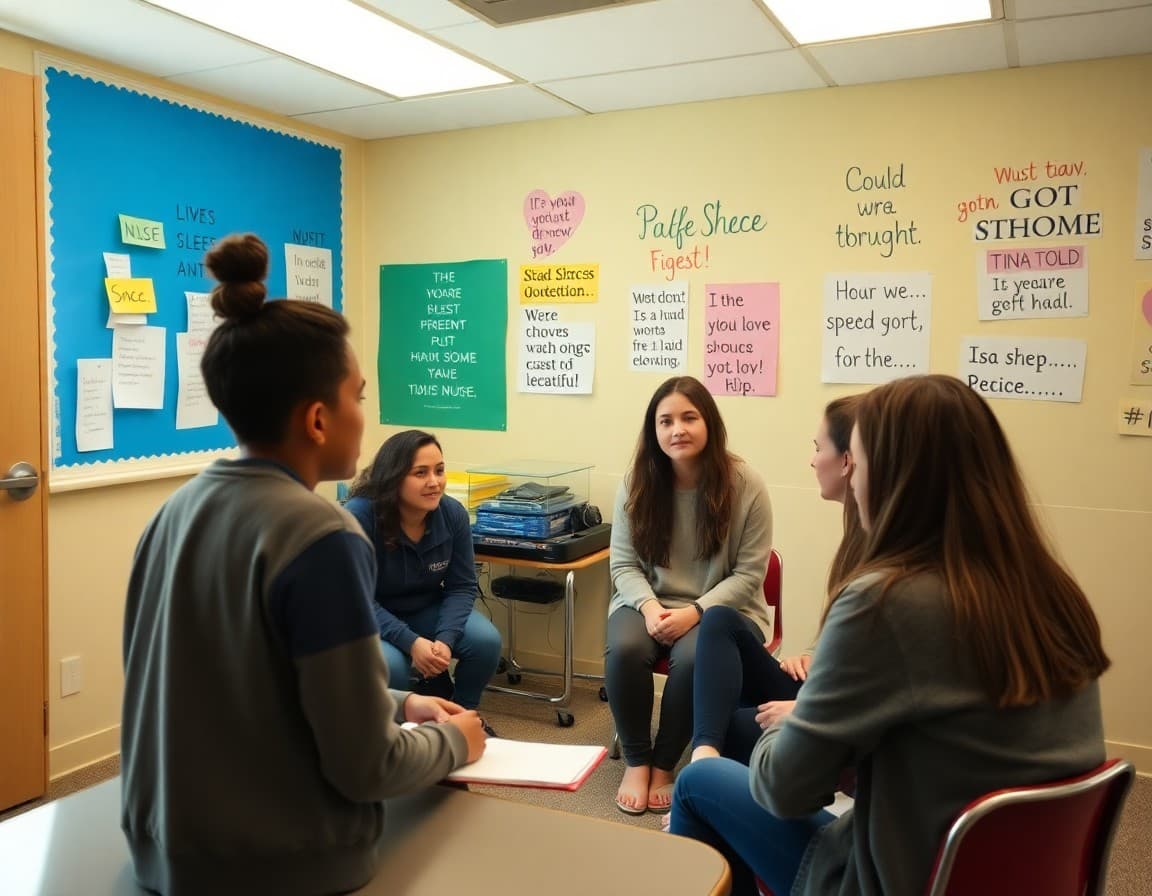
A GSA newsletter serves one of the most vulnerable populations in your school. LGBTQ+ students report higher rates of depression, anxiety, and school absenteeism than their peers, and research consistently shows that the presence of a supportive school organization reduces those risks significantly. A newsletter is not a substitute for in-person community, but it extends the safe space beyond meeting days and makes the GSA visible and accessible to students who are not yet ready to walk into a room.
Establish Your Audience and Tone Before You Write
Your newsletter reaches three distinct groups: LGBTQ+ students who are active club members, students who are questioning and not yet out, and straight allies who want to understand how to be supportive. Each group needs different content. Active members want club news and event information. Questioning students need to see themselves reflected without pressure. Allies need education without condescension. A well-structured newsletter addresses all three without feeling like three separate newsletters stapled together.
Protect Privacy at Every Step
Privacy is not optional in a GSA newsletter. Establish your policies before the first issue. Never publish a student's name or photo without explicit written consent. Make anonymous submission the default option for personal essays, not an exception. Before you build your subscriber list, consider whether your school's email system routes messages to family-shared accounts. For students who are not out at home, a school newsletter from a GSA in their inbox could cause real harm. Know your send list and plan accordingly with your faculty advisor.
Cover Club Meetings and Activities
Keep the club news section brief and specific. What did the club do at its last meeting? What is coming up? Who should readers contact if they want to join? Here is a simple format:
Club Update: October
We held our first meeting of the semester on October 7th with 22 students attending. Our main project for this semester is designing a safe space map of the school showing which rooms and faculty offices have been designated as openly supportive environments. We need five volunteers to help with the mapping project. Our next meeting is October 21st, Room 108, 3:00-4:00 p.m. No prior involvement required to attend.
Include LGBTQ+ History and Education
A short educational section in each issue builds knowledge for allies and historical context for LGBTQ+ students. Profiles of historical figures who changed the landscape for LGBTQ+ rights, explanations of terminology that has evolved, and coverage of significant anniversaries give the newsletter educational depth beyond club news. Keep each piece focused and brief, 100-150 words, and link to longer resources for readers who want to go deeper.
Share Mental Health and Community Resources
LGBTQ+ youth face higher rates of mental health challenges than their peers, and many do not know what resources are available. A resource section in every issue, even a short one, serves students who need it. Include resources specific to LGBTQ+ youth rather than generic mental health hotlines. The Trevor Project (1-866-488-7386) provides 24/7 crisis support. Your state may have local organizations providing in-person support. Name them by name with contact information in every issue.
Write Ally Education Content That Is Actually Useful
Many allies want to be supportive but are afraid of making mistakes. A practical ally education section addresses that directly. "How to respond when you hear a homophobic comment in class: You do not need a speech. 'Hey, that's not cool' is enough. It signals to LGBTQ+ students that they are not alone and signals to the person who made the comment that it was noticed." That kind of specific, actionable guidance is more useful to an ally than a general statement about the importance of inclusion.
Celebrate Visibility and Milestones
National observances like LGBTQ+ History Month in October, Transgender Day of Visibility in March, and Pride Month in June give the newsletter timely content anchors throughout the year. Use these moments to highlight specific stories, not just flag the date. "Today is National Coming Out Day. Here is what one of our anonymous contributors wants their future self to know." That approach makes visibility observances personal and meaningful rather than ceremonial.
Get one newsletter idea every week.
Free. For teachers. No spam.
Frequently asked questions
How do we handle privacy concerns for LGBTQ+ students who contribute to the newsletter?
Establish a clear opt-in policy for any personal disclosure. Never publish a student's name, photo, or identifying information without explicit written consent. Offer the option to publish anonymously for all personal essays or accounts. For students who are not out at home, receiving a newsletter from your GSA in their school inbox could cause harm, so consider whether your send list reaches family-shared email accounts and plan accordingly.
How do we write a GSA newsletter that is useful to both LGBTQ+ students and straight allies?
Think of your audience in thirds: LGBTQ+ students who need support and community, straight allies who want to understand how to be helpful, and students who are questioning and not yet out. Write content that serves all three. Educational content about terminology or history works for allies. Resource content about mental health support and community organizations serves LGBTQ+ students. Personal essays written with permission serve the questioning students who need to see themselves reflected.
What topics are appropriate to cover in a school GSA newsletter?
Cover club activities and meeting updates, national and local LGBTQ+ events and history, mental health resources specific to LGBTQ+ youth, profiles of LGBTQ+ historical figures and contemporary leaders, ally education content, and responses to relevant school or community events. Avoid overly political content that could jeopardize the club's standing in your school's communication channels, and coordinate with your faculty advisor before publishing anything that touches on school policy.
How do we handle hostile or dismissive reactions to the newsletter?
Document any hostile responses and share them with your faculty advisor immediately. Your newsletter has the same rights as any other school publication. Do not publish in response to hostility without guidance from your advisor and school administration. The most effective response to dismissal is continued, consistent, high-quality publication that demonstrates the newsletter's value to the school community over time.
Does Daystage support privacy controls that would help a GSA protect its subscribers?
Daystage lets you manage subscriber lists and control who receives each issue. If your GSA has concerns about who sees the subscriber list, the list is managed by the account holder, not visible to recipients. You can also build a public version of the newsletter with less sensitive content and a private version for subscribers who have opted in to more personal content.

Adi Ackerman
Author
Adi Ackerman is a former classroom teacher and curriculum writer with 8 years in K-8 schools. She writes about school communication, parent engagement, and what actually works in real classrooms.
More for Student-Led
Ready to send your first newsletter?
3 newsletters free. No credit card. First one ready in under 5 minutes.
Get started free