
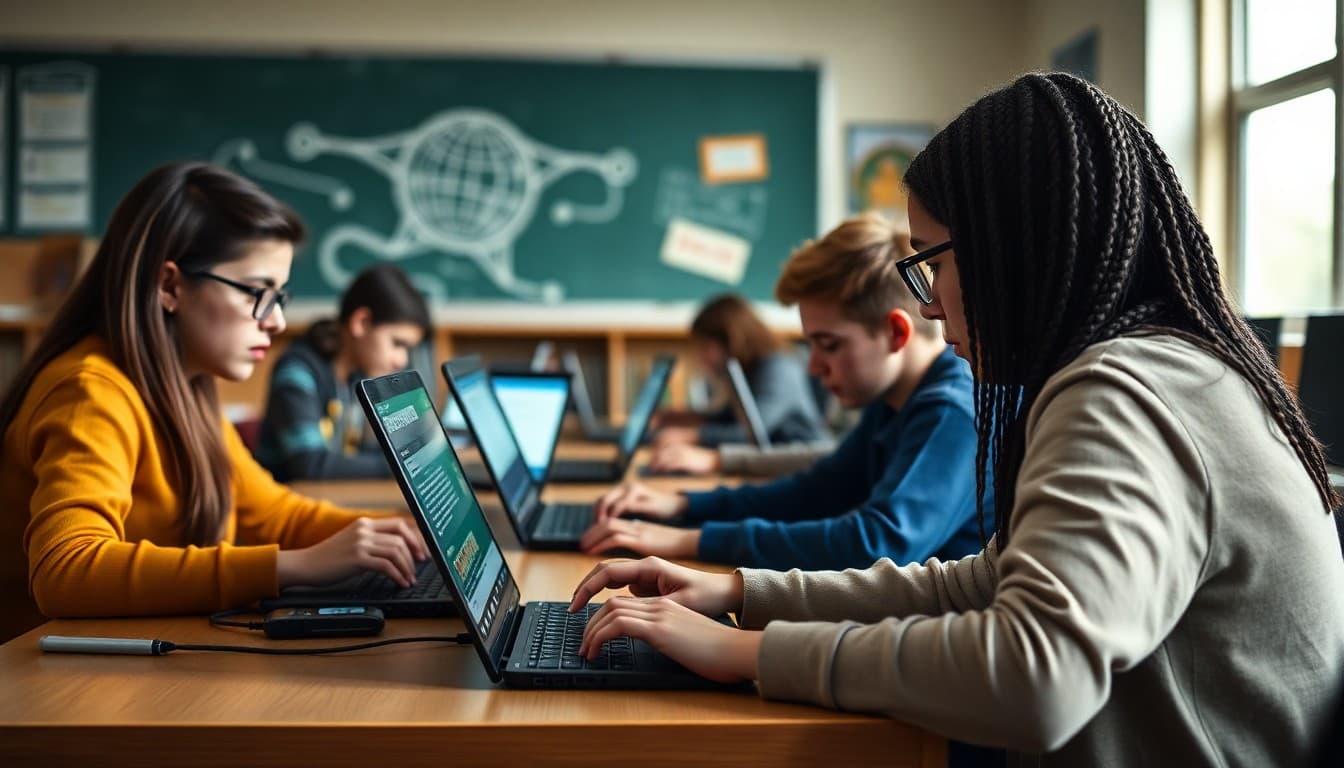
Student Blog Newsletter: Writing and Publishing Online
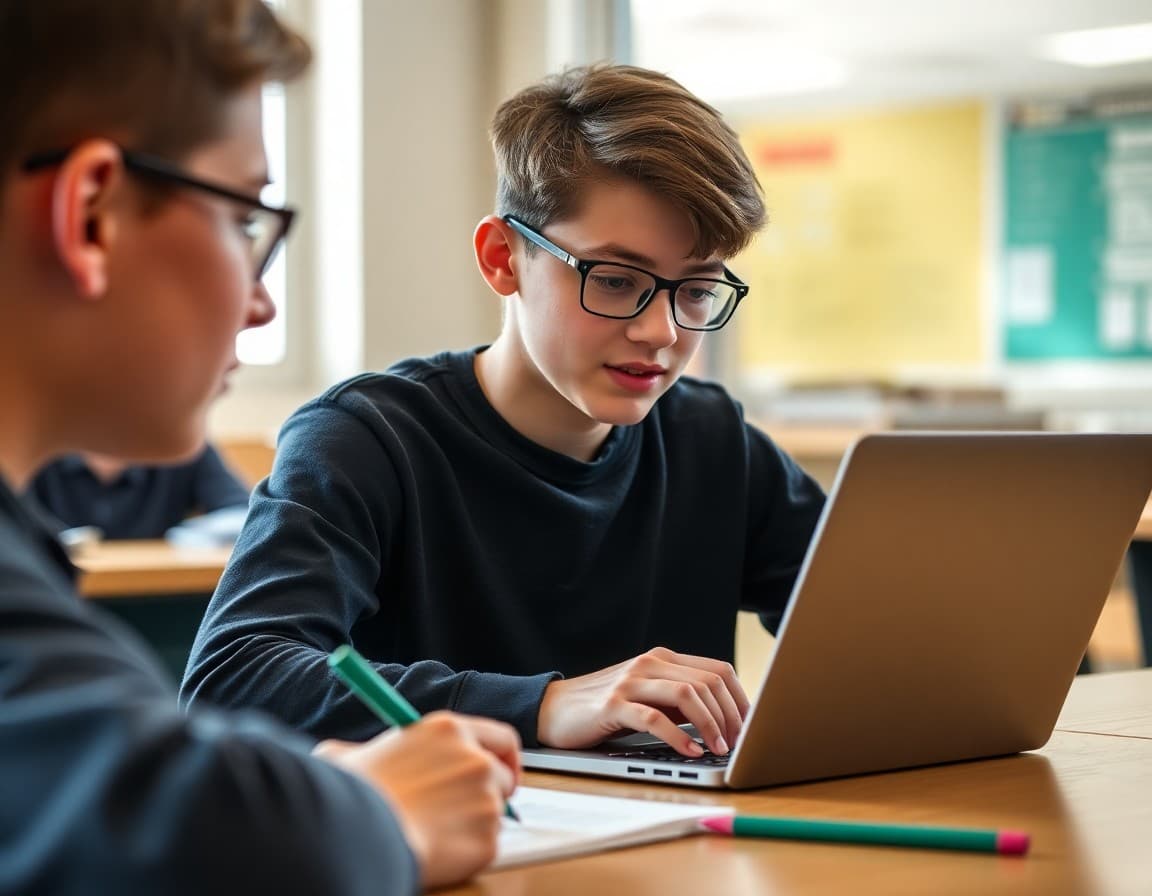
A student blog paired with a companion newsletter is one of the most effective combinations for building student publishing skills and school readership simultaneously. The blog builds the archive and the searchability. The newsletter delivers the content to readers who would never think to search for the blog themselves. Together they create a publication ecosystem that can genuinely compete with social media for student attention.
Why a Blog Belongs in the Student Media Portfolio
Written publication skills are foundational to almost every professional career, and a student blog produces them in the most authentic way possible: through public publication with a real audience. A student who has published 20 blog posts across a school year has evidence of writing, editing, publishing, and audience-building skills that a classroom assignment portfolio cannot replicate. The public nature of the publication is the feature, not a risk. Writing for an audience changes how students approach their craft in ways that writing for a teacher alone does not.
Blogs also archive the institutional memory of a student organization or school program in ways that social media does not. A well-maintained school blog with three years of consistent posting is a searchable, persistent record of student life that future students, parents, and community members can discover long after the original authors have graduated.
Setting Up an Editorial System That Produces Consistent Output
A student blog without an editorial system relies on enthusiasm, which runs out. A blog with an editorial system relies on structure, which does not. The minimum viable editorial system: a rotating writing schedule where each contributor has a designated publishing week, an editor who reads and provides feedback on every draft before publication, a content calendar that plans topics at least two to four weeks ahead, and a publication checklist that every post goes through before it goes live (headline, images, links, proofreading, category tags).
The editor role is critical. A blog that publishes whatever writers submit without editing produces inconsistent quality that alienates readers. An editor who gives specific, consistent feedback over time develops writers who produce better content as the year progresses. The editorial relationship is the apprenticeship model that has produced professional writers for centuries.
Content Planning: The Editorial Calendar
An editorial calendar planned four to six weeks ahead prevents the most common student blog problem: scrambling to find something to write about on publication day. The calendar should include planned post topics, assigned writers, draft due dates, and publication dates. It should also note upcoming school events (games, performances, elections, deadlines) that generate natural blog content so the team is prepared to cover them before they happen rather than writing about them after the moment has passed.
A mix of content types across a month keeps the blog interesting: two news or event coverage posts, one opinion or analysis post, one profile or feature, and one how-to or service piece. This variety serves different reader interests and prevents the blog from feeling one-dimensional.
A Template for the Student Blog Newsletter
This template delivers new blog content to subscribers weekly:
"New this week on [Blog Name]: [Post Title 1]: [First sentence of the post]. [Link to read more]. [Post Title 2]: [First sentence]. [Link]. Coming next week: [brief teaser of upcoming content]. Subscribe to get these updates in your inbox every [day]. Not subscribed? Sign up at [link]. Reply with a story idea or a letter to the editor. We read everything."
Keep the newsletter short enough that readers can scan it in 30 seconds. The goal is to drive traffic to the blog, not to substitute for it. A newsletter that summarizes the full post removes the reason to click through.
Writing for the Web: Key Differences from Academic Writing
Students trained in academic writing often produce blog posts that lose readers in the first paragraph. Web writing operates by different rules. Headlines must accurately and specifically describe the content while creating enough interest that a reader clicks. The first sentence must deliver on the headline immediately, not set up context for three paragraphs before getting to the point. Paragraphs are short (3-4 sentences maximum) because web readers scan before they read and long paragraphs look impenetrable on a phone screen. Subheadings break content into sections that readers can navigate. The most important information comes first, not at the end in conclusion form.
Teaching these conventions explicitly, and having editors hold contributors to them consistently, produces a blog that readers actually read rather than one they open and close in frustration after the first two paragraphs.
Photography and Visual Content
A blog post with at least one strong photograph consistently outperforms the same post without an image in click-through rate, time spent on page, and social sharing. Student blogs should establish a photography contributor role and a basic standard for image quality: in-focus, well-lit, relevant to the post content, and taken with consent of anyone photographed. A smartphone camera with adequate lighting produces publishable images. A high-resolution photo of something interesting beats a professional photo of something generic every time for engagement.
Get one newsletter idea every week.
Free. For teachers. No spam.
Frequently asked questions
What platform should a student blog use?
The platform choice depends on the blog's goals and the team's technical capacity. WordPress.com (free tier) is the most flexible and teaches transferable technical skills. Google Sites is the easiest to set up and integrates with school accounts. Medium is easy to use and has some built-in audience discovery, but the audience is primarily adult professionals rather than students. A self-hosted WordPress site (requires a hosting account, typically $3-8 per month) provides the most control and teaches the most technical skills but requires someone with enough technical knowledge to manage it. For most school programs, a WordPress.com or Google Sites blog is the right starting point.
How often should students post to the school blog?
Consistent publishing frequency matters more than high frequency. A blog that publishes two quality posts per week on a consistent schedule performs significantly better in search discovery and readership retention than one that publishes daily for two weeks and then goes silent. For most student teams, twice per week is achievable with a rotating editorial calendar where different writers have predictable publishing slots. Monthly is the minimum frequency for maintaining any consistent readership, as audiences that do not see new content for four or more weeks tend to stop checking.
What types of posts get the most engagement on student blogs?
The highest-engagement student blog content typically includes: student opinion pieces on school issues with genuine controversy (these generate comments and social sharing), profiles of students with interesting stories or accomplishments (these get shared by the subjects and their networks), how-to guides relevant to student life (how to apply for scholarships, how to navigate AP course selection), coverage of school events with photos and direct quotes from participants, and creative writing or photography showcases. Generic school news without student voice or perspective typically gets the lowest engagement.
What is a reasonable goal for student blog readership in the first year?
A realistic first-year goal for a new student blog at a school of 500-1000 students is 200-400 unique monthly readers by the end of the year. This assumes consistent publishing, a companion newsletter, and social media promotion. Most student blogs start with 20-50 readers (mostly family and close friends of contributors) and grow gradually through good content and consistent promotion. Setting an unrealistic readership goal in the first month produces discouragement that causes programs to abandon a format before they have had time to build the audience it deserves.
How does a companion newsletter help a student blog grow its readership?
A newsletter that delivers new blog posts directly to readers' inboxes removes the barrier of requiring readers to remember to visit the blog. Each newsletter should include the headline and first two sentences of each new post, a link to read the full post, and an invitation to subscribe for people who received the newsletter forwarded by a friend. Daystage makes this distribution accessible to student teams without requiring technical skills, allowing writers to focus on content rather than newsletter formatting and delivery logistics.

Adi Ackerman
Author
Adi Ackerman is a former classroom teacher and curriculum writer with 8 years in K-8 schools. She writes about school communication, parent engagement, and what actually works in real classrooms.
More for Student-Led
Ready to send your first newsletter?
3 newsletters free. No credit card. First one ready in under 5 minutes.
Get started free