
Open House Newsletter for Stem School Families
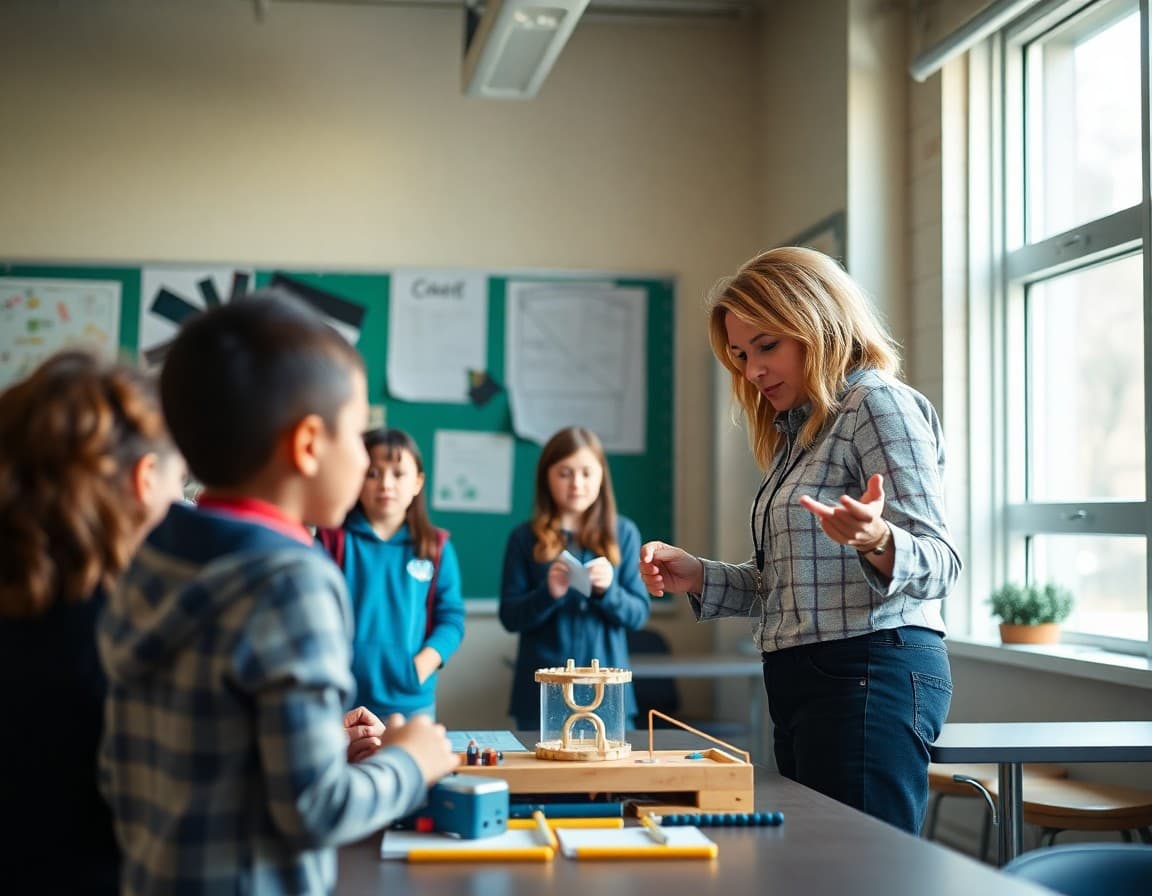
A STEM school open house newsletter has one job the standard template does not: make families genuinely excited to see the labs, meet the teachers, and understand what their student is going to build this year. The programs that distinguish a STEM school need to be visible in the newsletter before families decide whether to make the trip.
Using Program Previews to Drive Attendance
General school open house newsletters promote the event with "meet your teachers and learn about the year ahead." For most families, that is a fine reason to attend. For STEM school families who have already made a deliberate choice about their child's education and who are managing busy after-school schedules, that is not sufficient motivation for a Tuesday evening commitment.
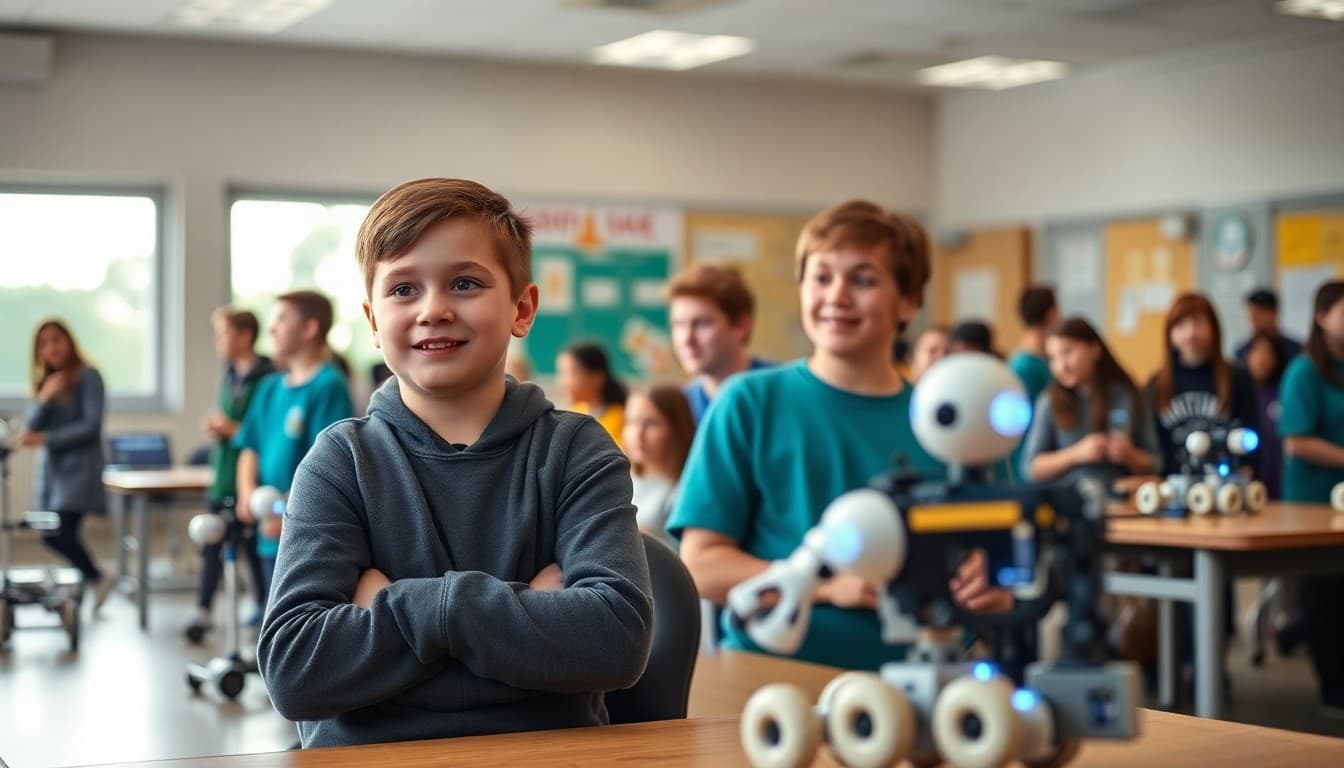
A STEM school open house newsletter that names what families will actually see changes this. "Our robotics team will have this season's robot in the gym for demonstrations. The fabrication lab will be open for tours starting at 6:30 PM. Students from last year's capstone projects will be presenting their work in the main hallway." These specifics make the event concrete. Families who care about what their child is building in the lab have a reason to show up that night rather than reading a recap the following week.
Coordinating With Program Leads on What Will Be Showcased
Before writing the open house newsletter, coordinate with each program lead or teacher to find out what they plan to have on display or demonstrate. Compile this into a brief guide that you include in the newsletter. A room-by-room preview of what families can expect to see transforms a general "come visit" invitation into a self-guided tour with specific stops that match each family's interests.
For schools with multiple tracks, a track-specific guide helps families plan their time. "Biomedical science families: start in Room 204 where students are presenting their lab analysis projects from the first unit. Engineering families: the fabrication lab is the first stop; plan to spend 15 minutes there before heading to classrooms."
A Template Excerpt for a STEM Open House Newsletter
Here is a section from a STEM middle school in Atlanta:
"Open House is Wednesday, September 10 from 5:30 to 8:00 PM. Here is what you will see: The robotics lab will be open from 5:30 to 7:00 PM with students demonstrating the challenge task from last year's competition. The environmental science lab has student water quality monitoring projects on display from our Chattahoochee River research program. Our 3D printing studio will be running demonstrations at 6:00, 6:30, and 7:00 PM. Each class session runs 20 minutes and covers course goals, major projects, and how you can support your student at home. A schedule by grade level is attached. Parking is available in both the north lot and the overflow lot on Oak Street."
The newsletter tells families what they will see, when to be where, and handles logistics. It treats the event as what it should be: a genuine showcase of the school's work.
Helping Non-Technical Parents Engage With STEM Demonstrations
Not every parent at a STEM school has a technical background, and open house demonstrations can feel alienating for families who do not know what questions to ask. A brief note in the newsletter that primes non-technical families for what they will experience helps. "You do not need a science or engineering background to enjoy the demonstrations. Students are ready to explain what they built and why they made their design choices. Ask them what surprised them. Ask them what they would do differently."
That framing turns a potentially intimidating experience into an accessible conversation. It also gives students a clearer role: not to prove technical mastery but to explain their thinking to an interested adult.
Connecting Open House to the Year's Competition and Project Calendar
STEM school families who attend open house are often thinking ahead to the competition season, the spring showcase, or the capstone presentations. A newsletter that references these milestones while promoting open house connects the evening to the larger arc of the year. "Open house is the best time to meet the teachers who will guide your student through our engineering design challenge in March and the science olympiad in April." That sentence makes open house feel like the beginning of a story, not just an administrative event.
Including Opportunities to Connect With Industry Partners
If your school has industry partners, advisory board members, or alumni who can be present at open house, name this in the newsletter. Families who chose a STEM school partly because of career pathway connections will want to meet the people who bring those connections to life. "Representatives from three of our industry partners will be at open house to answer questions about mentorship, internship, and dual enrollment opportunities." That is a draw that is specific to the STEM school experience and worth highlighting.
Following Up After Open House
Within 48 hours of open house, send a brief follow-up newsletter with a few photos from the event, links to any resources teachers mentioned during classroom sessions, and information for families who could not attend. STEM school families who missed the event because of competition practice schedules or evening work obligations are part of your community and deserve the same access to information that attendees received.
Get one newsletter idea every week.
Free. For teachers. No spam.
Frequently asked questions
What should a STEM school open house newsletter include beyond standard logistics?
Include a preview of what students have been working on that families can see at the event. If robotics teams will have their robots available, say so. If the fabrication lab will be open for tours, name it. If student projects are on display, describe them. STEM school families chose the school because of its programs, and a newsletter that previews the program demonstrations turns an open house into an event worth attending even for families who have done it before.
How should a STEM school use open house to introduce prospective families?
If your school holds open house for both current and prospective families, the newsletter serves two slightly different audiences. For current families, it previews new programs and teacher sessions. For prospective families who receive the newsletter through a school visit or referral, it demonstrates the school's communication quality and program depth. Include enough context about what the school does that a first-time reader understands what they would be seeing at the event.
Should teachers at a STEM school open house cover technical topics in their sessions?
Yes, but at an accessible level. A computer science teacher explaining how the class approaches problem-solving, with one concrete example, is more effective than a lecture on programming syntax. The goal is for families to understand what their student is learning and why it matters, not to become conversant in the technical details themselves. The newsletter should preview this framing so families arrive with appropriate expectations.
How do I increase open house attendance at a STEM school where families are already busy with after-school programs?
Schedule around competition season and major STEM program commitments. If robotics practice runs Monday through Thursday in September and October, avoid scheduling open house on those evenings. A staggered format, where families can visit classrooms on a rolling basis rather than attending a single fixed-time session, also accommodates STEM school schedules better than a rigid one-time event.
Can Daystage handle open house newsletters for STEM schools with multiple programs and tracks?
Yes. Daystage lets you build newsletters with distinct sections for different programs or grade levels, add event schedule details, and include photos of lab spaces and student projects. Sending to the full family list and tracking open rates helps you follow up with families who did not see the original invitation.

Adi Ackerman
Author
Adi Ackerman is a former classroom teacher and curriculum writer with 8 years in K-8 schools. She writes about school communication, parent engagement, and what actually works in real classrooms.
More for STEM
Ready to send your first newsletter?
3 newsletters free. No credit card. First one ready in under 5 minutes.
Get started free